Yes, there will be the more predictable elements: a full-scale model of the White House’s Oval Office, videos of election nights and mannequins wearing the first lady’s dresses.
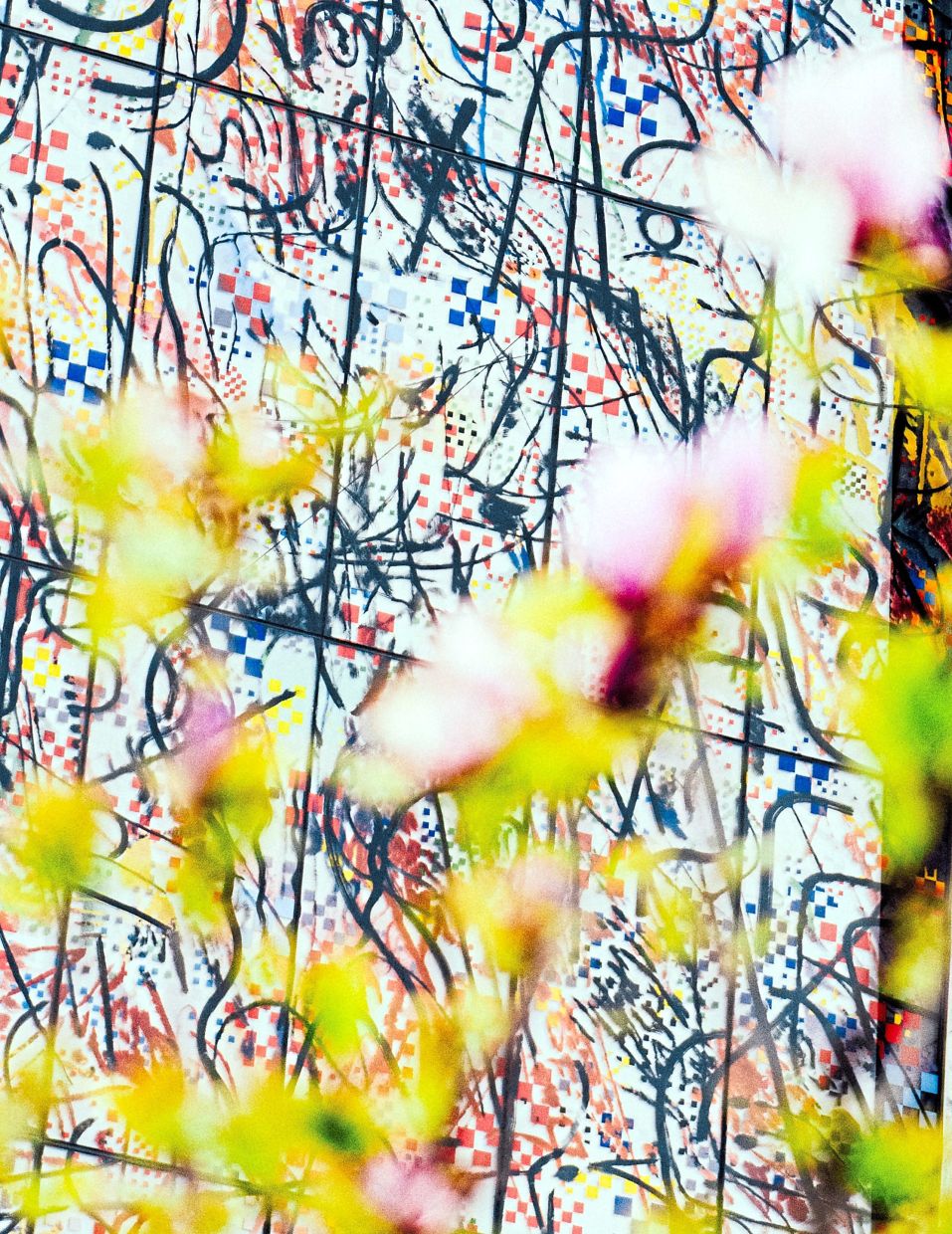
But the Obama Presidential Centre, which officially opens in the South Side of Chicago, Illinois, the United States on June 19, will also have a feature rarely – if ever – prominent in past US presidential libraries: original works by 30 artists that were commissioned by Barack and Michelle Obama.
The decision to make art a priority in former US president Obama’s privately funded, US$850mil (RM3.4 bil) project for posterity is consistent with the Obamas’ long-standing commitment to the arts over two administrations.
During those terms, the first couple centred artists like Alma Thomas, whose 1966 canvas Resurrection was the first painting by an African American woman to enter the White House Collection, along with Kehinde Wiley and Amy Sherald, who painted the Obamas’ National Portrait Gallery portraits.
“Michelle and I wanted the Obama Presidential Centre to be more than a library or a museum,” Obama said in a statement to The New York Times.
“We wanted it to be an important cultural institution for Chicago and the South Side, a place that belonged to the community. Art was central to that.
“When you commission work from artists like Richard Hunt or Julie Mehretu or any of the 28 others who contributed to this campus, you’re trusting their singular vision,” the statement continued.
“But each of them, in their own way, is wrestling with the questions this Centre is built around: where we come from, how we got here, what kind of future we can imagine for ourselves and our communities.”
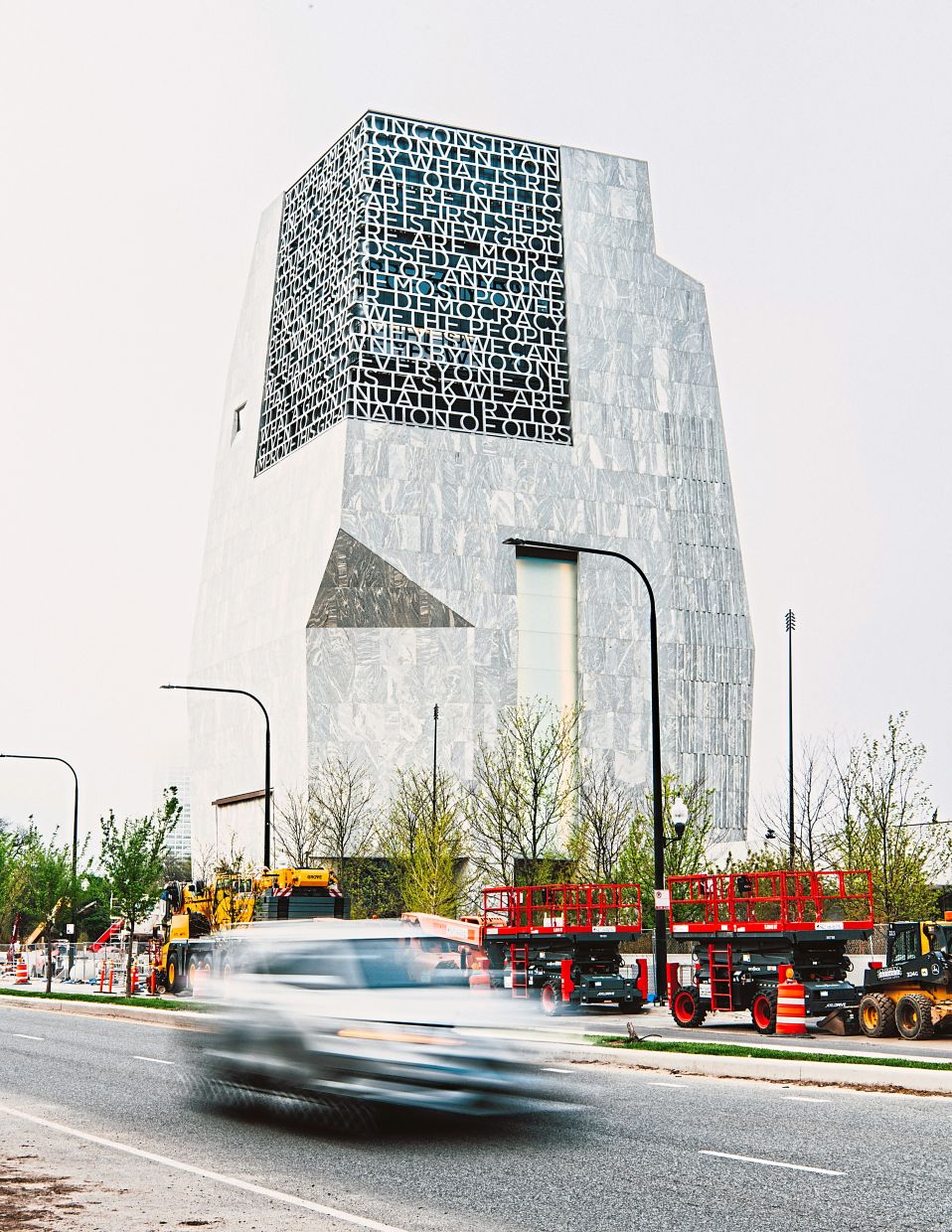
The art commissions are one of several unconventional aspects of the Obama Centre, designed by Tod Williams and Billie Tsien Architects. Obama decided to create a 7.8ha campus in Chicago’s historic Jackson Park that could be used by the community, rather than function traditionally as an archive.
In addition to the central obelisk (which some have nicknamed “the Obamalisk”), the complex includes a branch of the Chicago Public Library, an NBA-size basketball court, a teaching kitchen, a playground, gardens and a sledding hill.
“It’s exactly what I think the president always wanted, which is it’s for everybody, and art matters,” said Williams. “Music will matter, reading will matter, play will matter.”
The complex initially prompted concerns about its potential impact on the park and gentrification as well as its break with precedent.
The centre is run by the Obama Foundation rather than by the National Archives and Records Administration, the federal agency that has administered the libraries and museums for all presidents going back to Herbert Hoover. Obama has explained that because his records will be digitised and available to the public online, this will democratise access.
For the Obama Centre, Thelma Golden, an Obama Foundation trustee and the director and chief curator of the Studio Museum in Harlem, in New York City – along with Anita Blanchard, a Chicago physician and collector – helped develop an art plan, proposing the first six commissioned artists.
The full list of artists was assembled over time by Virginia Shore, who served for 20 years as chief curator and acting director of the State Department’s Art in Embassies office.
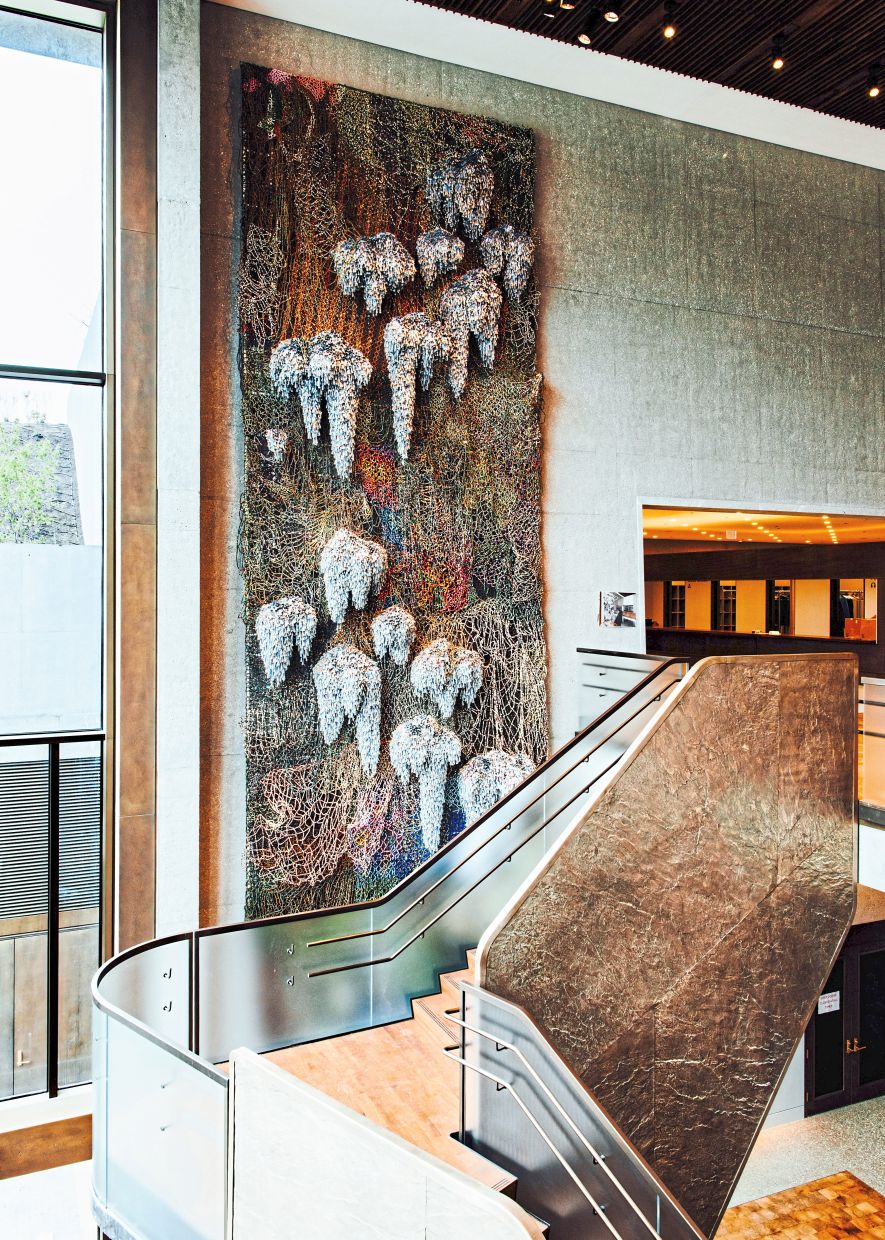
“This site and this project inspired a lot of people to try new things,” said Shore, pointing out how Nick Cave and Marie Watt collaborated on a large textile drapery in the museum’s main lobby.
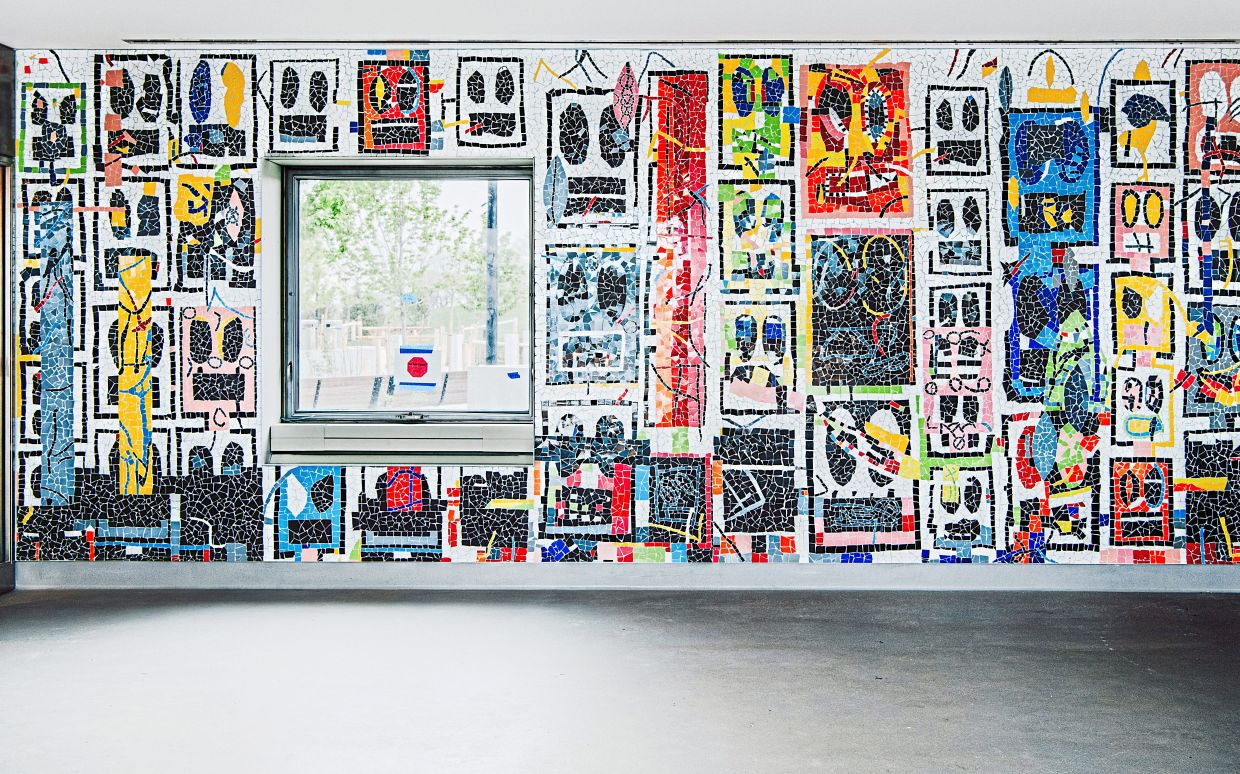
The artists include Njideka Akunyili Crosby, who has painted what is said to be the first formal portrait of the Obamas together, which will hang in the museum’s main lobby; Rashid Johnson, whose large-scale mosaic draws on his Broken Men series and resides in the teaching kitchen, and Martin Puryear, whose cresting wave sculpture on the centre’s plaza was inspired by a quotation the Rev Martin Luther King Jr popularised, about how the arc of the moral universe “bends toward justice.”
“I can’t think of an example where I saw this much art on display” in a presidential library, said Colleen Shogan, who served as the nation’s archivist before President Donald Trump fired her last year.
“This is something they want to emphasise or how they want to tell their story.”
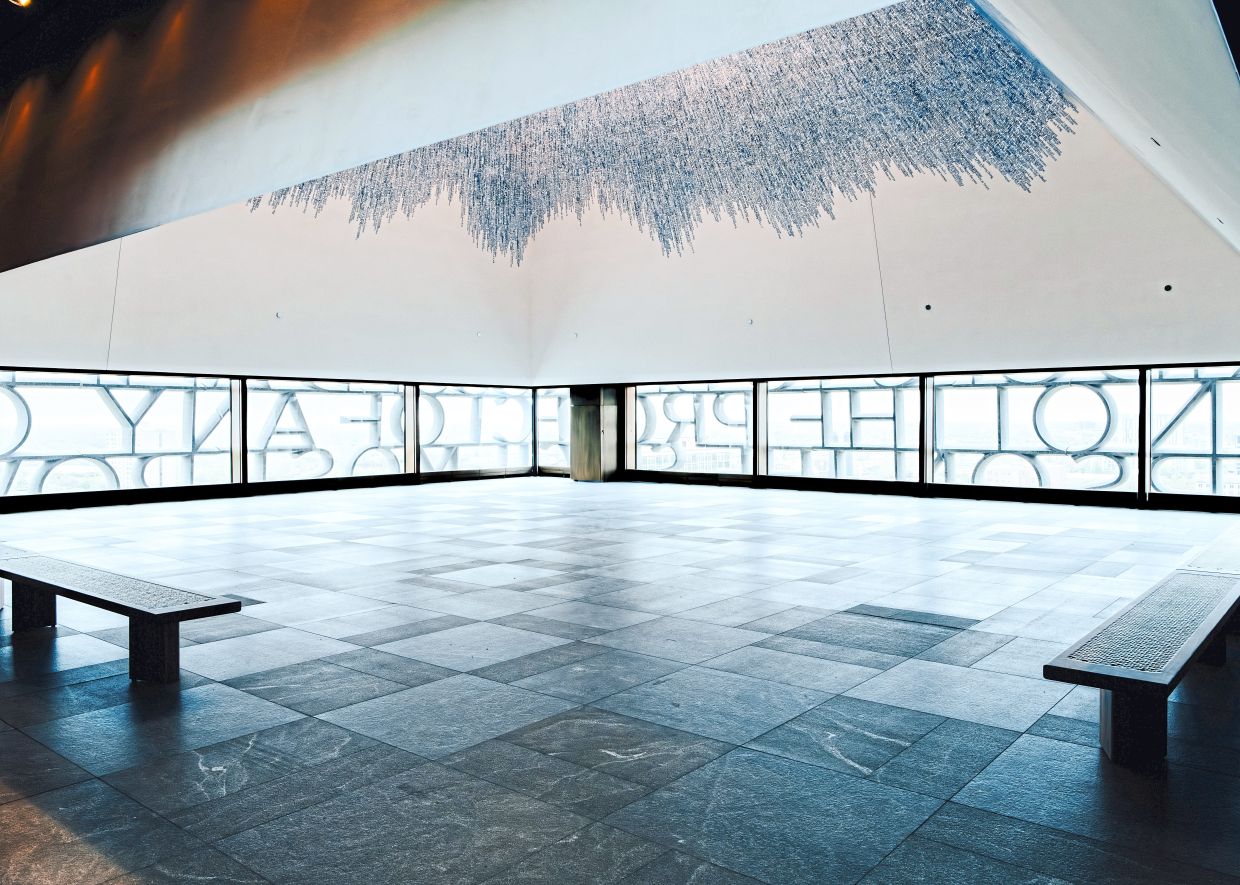
While adult admission to the centre’s museum costs US$30 (RM120), much of the campus is free, and the art is spread throughout. A conical ceiling in the museum’s contemplative Sky Room features Idris Khan’s installation of cascading words from Obama’s remarks on the 50th anniversary of “Bloody Sunday” in Selma, Alabama.
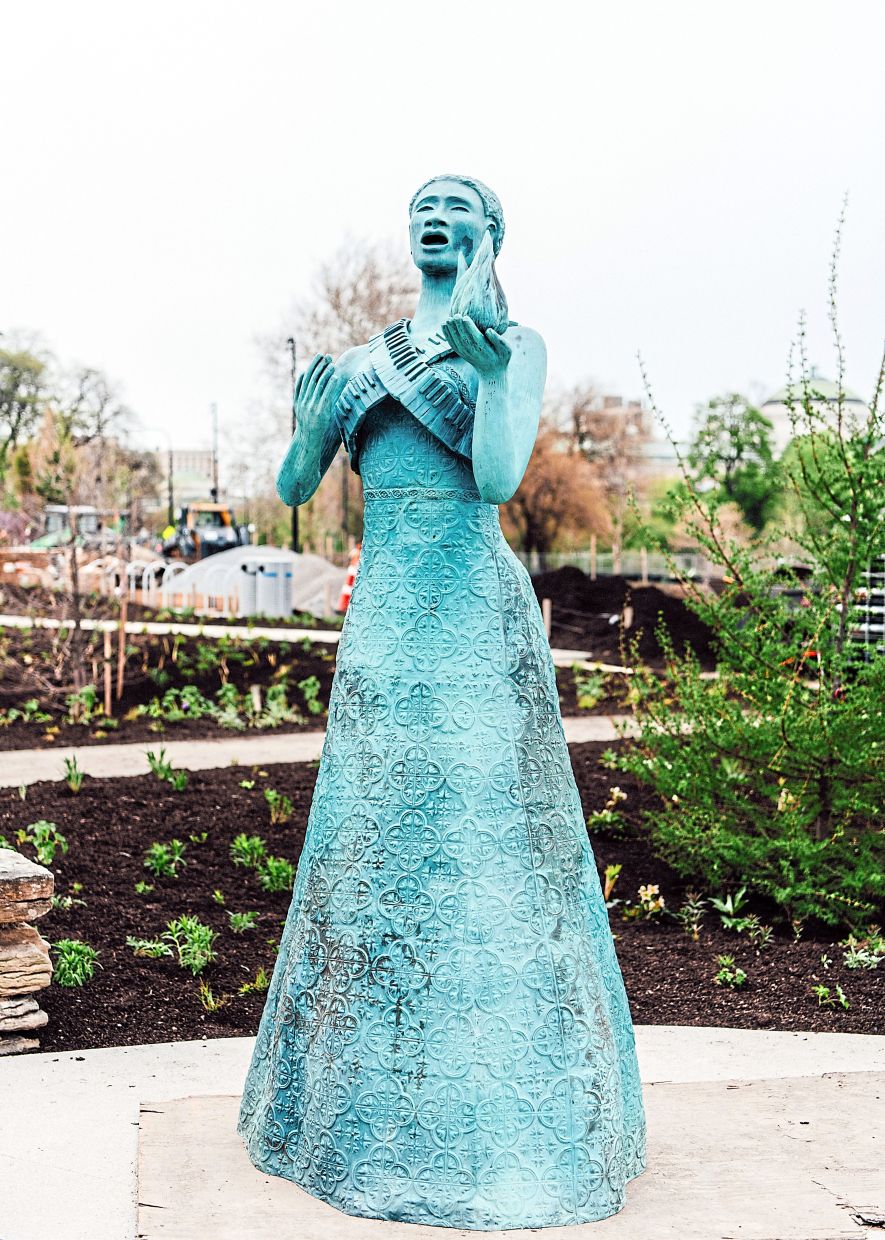
A bronze statue by Alison Saar, inspired by the Statue of Liberty, stands in the park’s restored Women’s Garden.
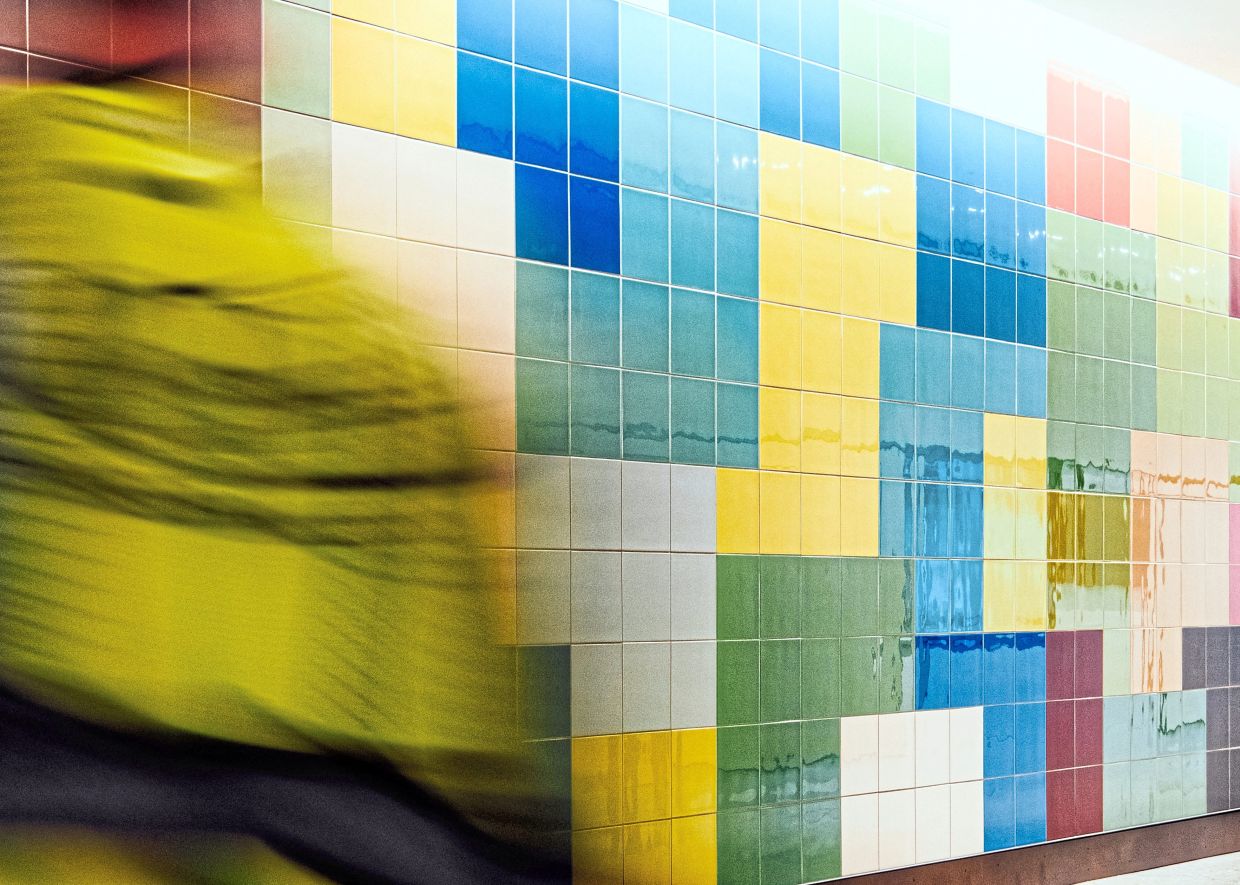
Aliza Nisenbaum’s painted mural stretches 21m across the Main Reading Room, depicting writers including James Baldwin, Toni Morrison and Walt Whitman.
“It’s a new approach and shows his sensitivity to how a presidency can be reflected in the culture,” said presidential historian Michael Beschloss.
“This is a president who, from the time he began running through the length of his presidency, loved contemporary culture, spoke about it, was conversant in it and talked in a serious way with people who created it.”
Working on these commissions, several of the artists said, was a way to feel more connected to Obama not just as a historical figure but as a human being.
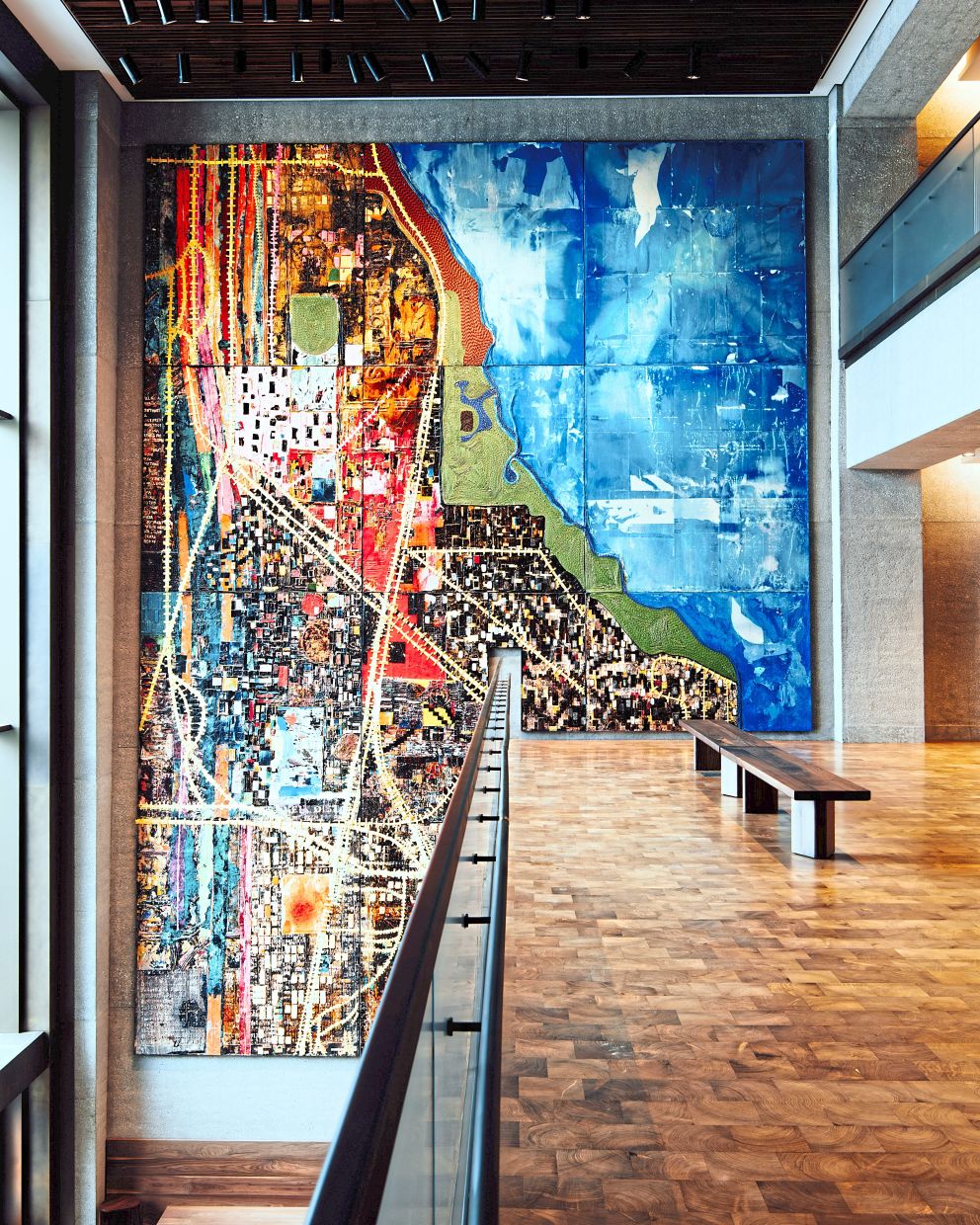
“I made it for Obama,” said Hugo McCloud, whose painting layers maps from the former president’s places of origin – Indonesia, Kenya, Chicago and Hawaii – and features the homes Obama grew up in.
“I wanted to imagine him thinking, ‘Oh, I remember that store across the street from that apartment building where I used to get that juice.’ It’s not just about this huge building.”
“Yes, they’ve had all these experiences and yes, they have had the weight of so many things on their backs,” McCloud added of the Obamas.
“But I do think it’s little moments that still matter for these people.” – ©2026 The New York Times Company