
The electronic devices which are prevalent in our daily lives – smartphones, laptops, tablets, TVs and more – are all made in large factories, shrouded in industrial secrecy.
In the video installation Colorless, Odorless (2024), South Korean artist Eunhee Lee sheds light on the human costs of these processes, featuring the testimonies of factory workers in South Korea and Taiwan, and their calls for safer working conditions.
The 54-minute film, now showing at Ilham Gallery in Kuala Lumpur until March 15, was produced with support from the 2023 Han Nefkens Foundation–Loop Barcelona Video Art Production Grant, which promotes contemporary video art by artists of Asian origin.
Before arriving in Malaysia, the film screened at partner galleries and museums worldwide, including Fundacio Joan Miro (Barcelona, Spain), Inside-Out Art Museum (Beijing, China), MoCA Taipei (Taiwan), Art Hub Copenhagen (Denmark), and at the 26th Jeonju International Film Festival in South Korea.
Ilham Gallery director Rahel Joseph, a member of the grant’s judging panel, stated that the jury selected Lee in part for her insightful engagement with the complexities of today’s technology-driven world.
“We were very impressed with the detailed and analytical way Lee approaches her filmmaking. At the same time, her work is incredibly moving and thoughtful,” says Joseph.
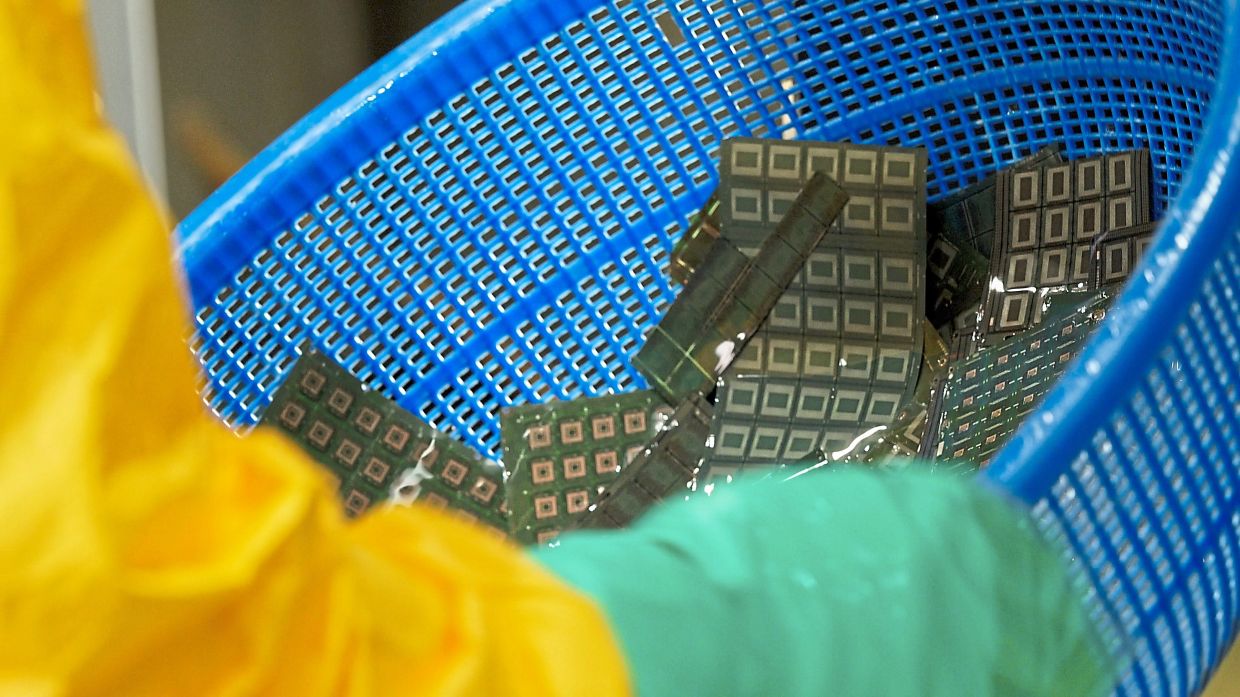
Using work records, archival materials, and interviews, Colorless, Odorless follows current and former semiconductor plant workers – mainly women and migrants – showing how prolonged exposure to toxic materials has affected their health.
Into the ‘clean room’
Lee, 35, is no stranger to the topic of technology and its pervasive impact on society – much of her works look at the modern world and how its politics and economics are shaped by machines.
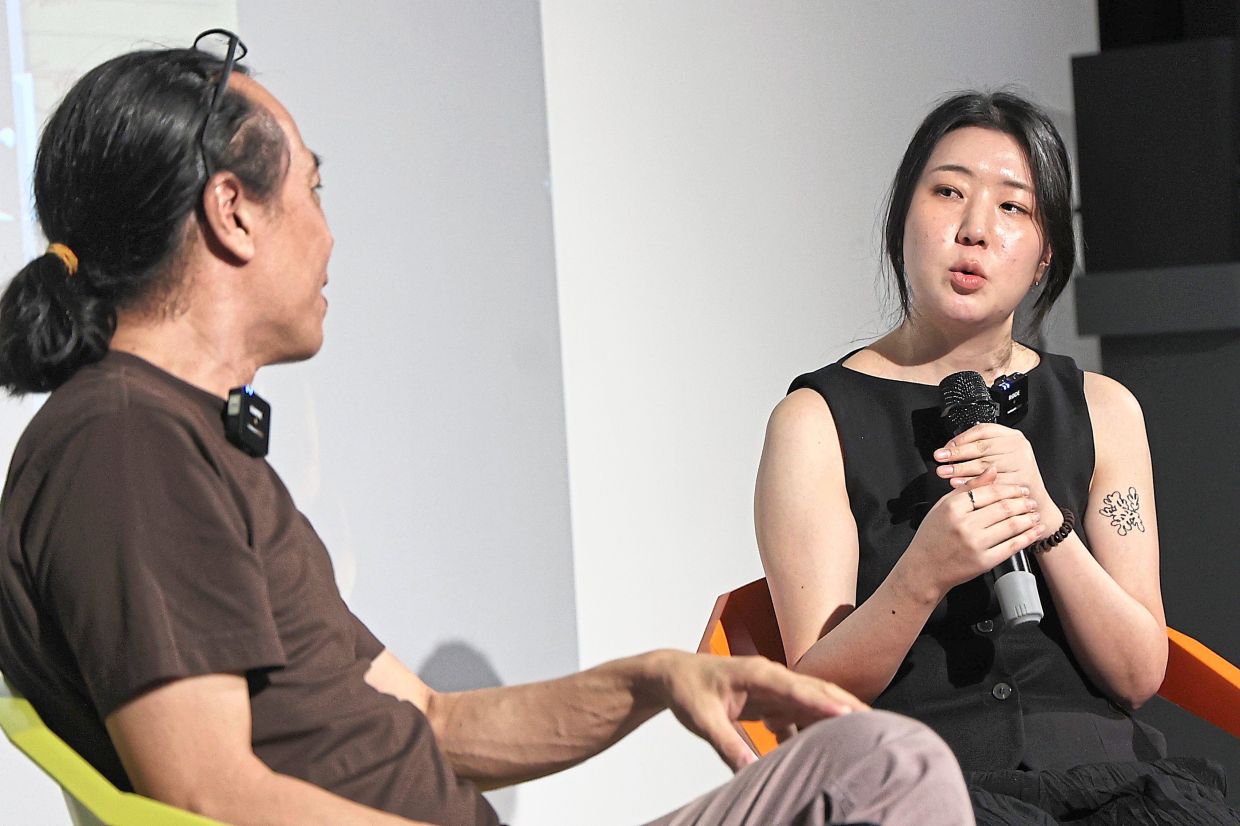
She was recently in KL, where she had a discussion with Malaysian curator Yap Sau Bin about the film and her practice.
Lee stated that the grant enabled her to finally pursue a project she had long intended to undertake: the study of occupational diseases.
“Before Colorless, Odorless, I mainly did video installations, which could be very poetic or metaphorical, but this film is very straightforward,” she says.
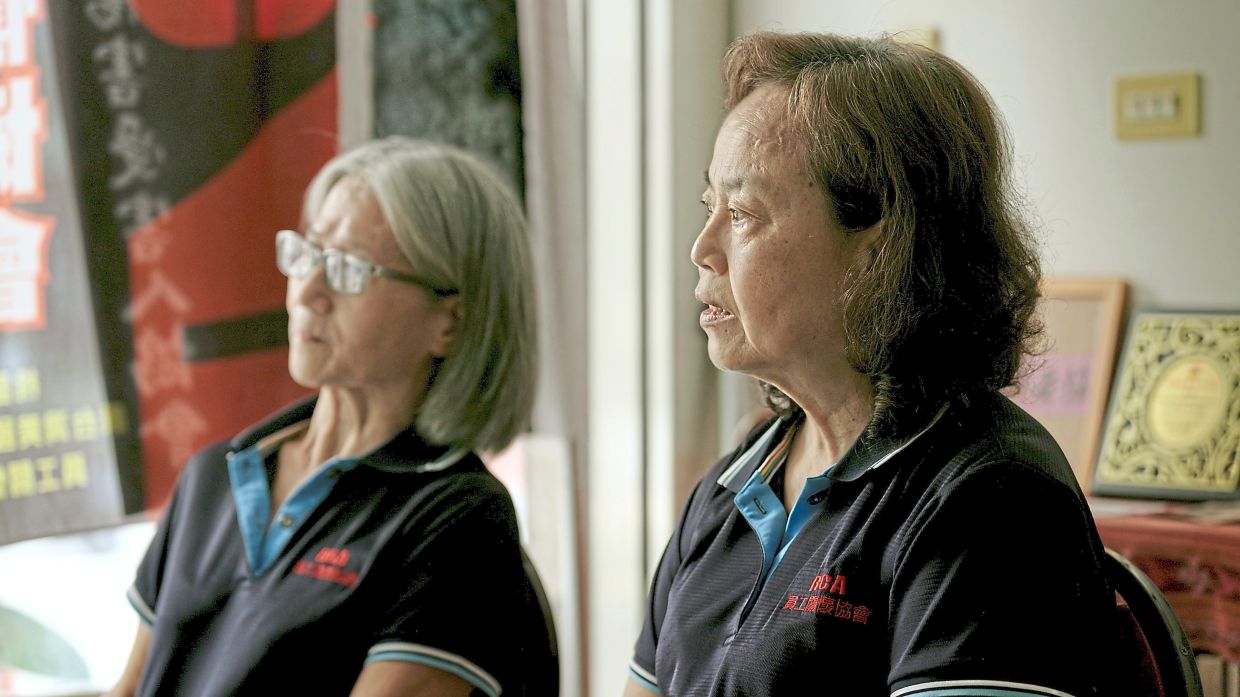
Over the course of a year, Lee spoke to various NGOs and activist groups involved in supporting workers affected by occupational diseases in South Korea and Taiwan. These include Supporters for Health and Rights of People in Semiconductor Industry, Korean Metal Workers’ Union, Taiwan Association for Victims of Occupational Injuries and Taiwan International Workers’ Association.
Lee also recorded the personal testimonies of those who had worked in the “clean rooms” of semiconductor plants, which included stories of how their children were born with disabilities, how several former co-workers had died from cancer or the dread and fear they lived with that they may one day face a similar fate.
“When it comes to the semiconductor industry, we’re all probably only familiar with media images of workers in white protective garments. However, these garments aren’t for the workers’ benefit. It’s actually to prevent the introduction of dust or any kind of pollution into the production area, which is why it’s called the ‘clean room’.
“So while producing these high-tech semiconductor chips that then go into the electronic devices that we all use, these workers are being exposed to thousands of chemicals without fully understanding the risks,” she says.
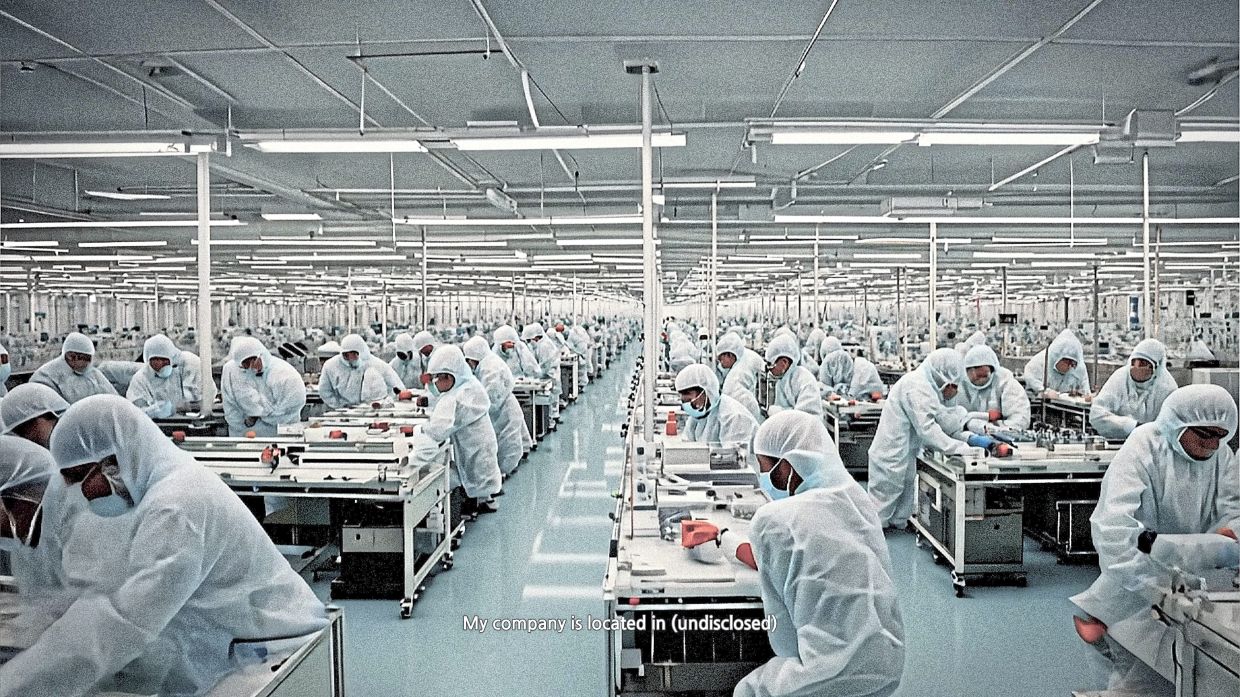
A major challenge in producing the film was that she could not access a clean room, a highly restricted area.
“So I had to figure out how to visualise these unseen dangers. The only thing that I could do was use the voices of the people I interviewed, by documenting or recollecting the memories of the workers who’ve been there or are still there. So the work naturally became a collection of interviews.
“But I was able to get a hold of some leaked footage from workers, and from that, I used AI to show what it may look like inside the clean room,” explains Lee.
Anger and curiosity
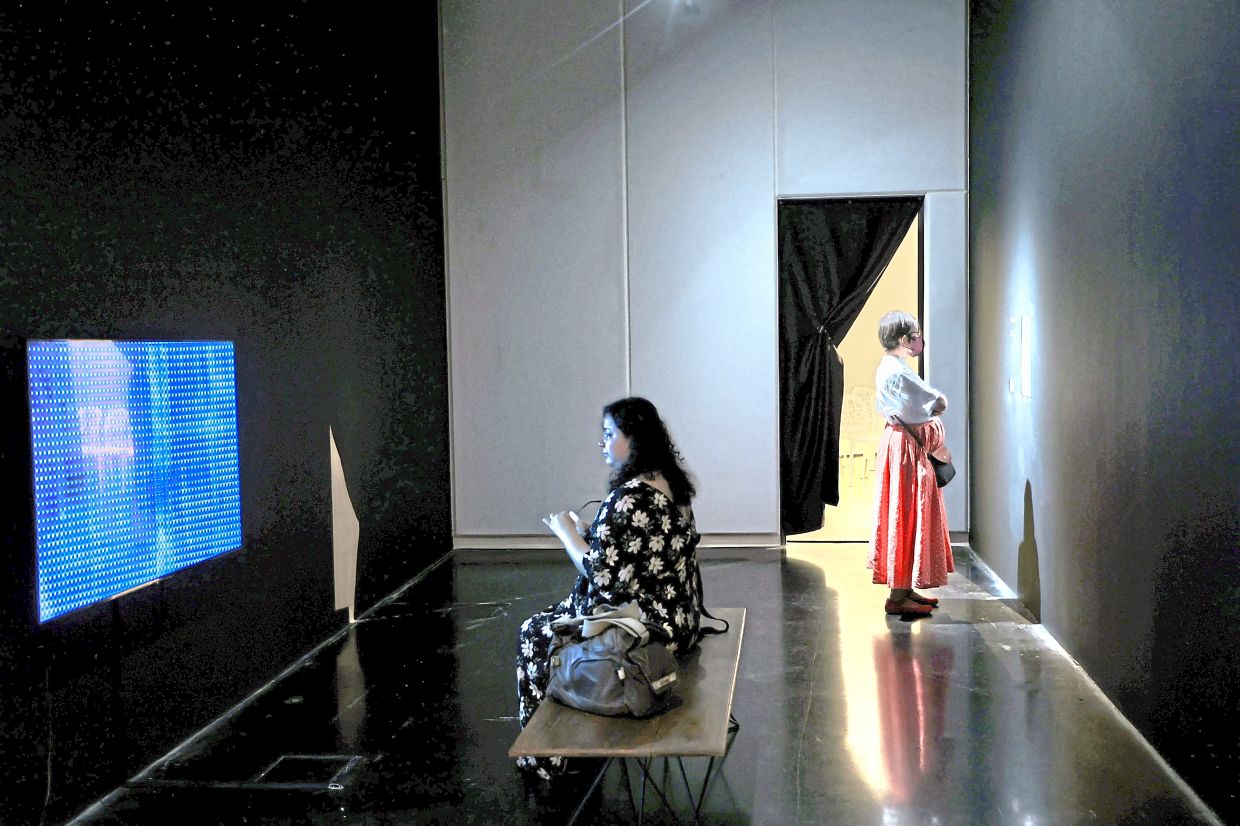
At Ilham Gallery, an exhibition like Colorless, Odorless, presented in its Level 3 experimental space, reflects the gallery’s ongoing focus on projects that blur the line between art and real-world issues.
“It’s a really compelling film that really humanises this issue, and poses important questions: what is the human cost for the advancement of technology and mass consumption and greed and how can corporations be held accountable?” says Joseph.
“I think this film is relevant globally, as technology has become such a huge part of our lives, and issues relating to the environmental and health risks that it carries are sadly all too relevant,” she adds.
This project has propelled Lee’s work onto the international stage.
Now based in Seoul, she began her artistic journey at the Berlin University of the Arts, earning both a Bachelor’s and Master’s in Fine Art, before completing an MFA at the Korea National University of Arts, grounding her practice in a rich blend of European and Korean art traditions.
“A lot of the time, my creative process starts from anger,” says Lee with a laugh.
“I think the anger comes from finding out something new, like ‘Why didn’t I know about this?’ There’s a sense of anger and shame, but also a kind of curiosity. I get this desire to learn more about it and talk about it,” she shares.
Lee cannot pinpoint exactly when her interest in technology began, noting only that it has long been a central focus of her work.
“I’ve always wanted to know where this device in my hands came from and where it goes and what it’s really made of. Because a lot of things are now becoming very ‘black box’ – you don’t know what’s inside the machine or how it really works.
“We are only able to see and use the functions that we are told about. So I’m intrigued about ‘hacking’ the machines and understanding what’s inside,” says Lee.
The thoughtful practitioner adds that she hopes the film will give Malaysians some food for thought.
“In East Asia and South-East Asia, technology has had such a huge role in our society, where it’s painted as some kind of miracle solution to improving a country’s economic position. Sometimes there is also a tendency of being willing to sacrifice others for economical gain – for the ‘greater good’, so to speak.
“So I hope those who watch the film will be able to resonate with the film’s question of, ‘What – or who – are we sacrificing for technological advancement?’,” she concludes.
Ilham Gallery is also showing one of Lee’s earlier works, Machines Don’t Die (2022), a 20-minute documentary video about electronic waste and the industry that recycles the rare minerals and metals the machines contain.
Eunhee Lee’s Colorless, Odorless is showing at Level 3, Ilham Gallery, Kuala Lumpur until March 15. The film starts at the top of every hour from 11am to 6pm. Free admission. More info: ilhamgallery.com.