Know the difference between nigirizushi and makizushi?
Sushi fans can explore this and more at The Japan Foundation’s I Love Sushi travelling exhibition, on display at the Ur-Mu gallery in Kuala Lumpur until Dec 31.
The unique exhibition, greeted by a Pacific bluefin tuna replica at the door, gives art enthusiasts, foodies and history lovers a chance to explore Japan’s iconic cuisine as both art and a window into the nation’s history, culture, and way of life.
I Love Sushi is organised by The Japan Foundation Kuala Lumpur (JFKL), co-organised by the Embassy of Japan in Malaysia with Ur-Mu, and sponsored by Sushi Hibiki.
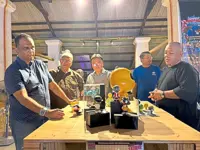
“Cultural exchange often begins at the dining table. I believe that learning about one another’s food is one of the most delightful and meaningful ways to deepen the friendship between Japan and Malaysia,” says Shikata Noriyuki, Japanese ambassador to Malaysia, at the exhibition’s opening reception recently.
“Through this initiative, we hope to offer more Malaysians the opportunity to not only enjoy the taste of sushi, but to also appreciate the values behind it: respect for nature, attention to detail and the joy of sharing a meal,” he adds.
The Malaysian leg of the I Love Sushi exhibition is a part of a 10-year world tour that began in 2022, and not only highlights culinary heritage, but invites reflection on food sustainability.
More than just food
I Love Sushi, as a culinary art showcase, exemplifies washoku – Japanese cuisine recognised by Unesco as an Intangible Cultural Heritage in 2013.
“With sushi now almost as popular overseas as it is in Japan, we have designed this exhibition both to explore various fascinating aspects of the genre itself, and to provide some glimpses of the history and culture of Japan that have contributed to the evolution of sushi,” writes Ito Masanobu, The Japan Foundation executive programme director in the exhibition notes.
Through the show, visitors get an engaging look into how sushi evolved from the ancient narezushi, the earliest form of sushi consisting of salt-cured fish and fermented rice, into a global culinary phenomenon through captivating visuals, videos, interactive displays, and of course, the iconic “sanpuru” – plastic food samples.
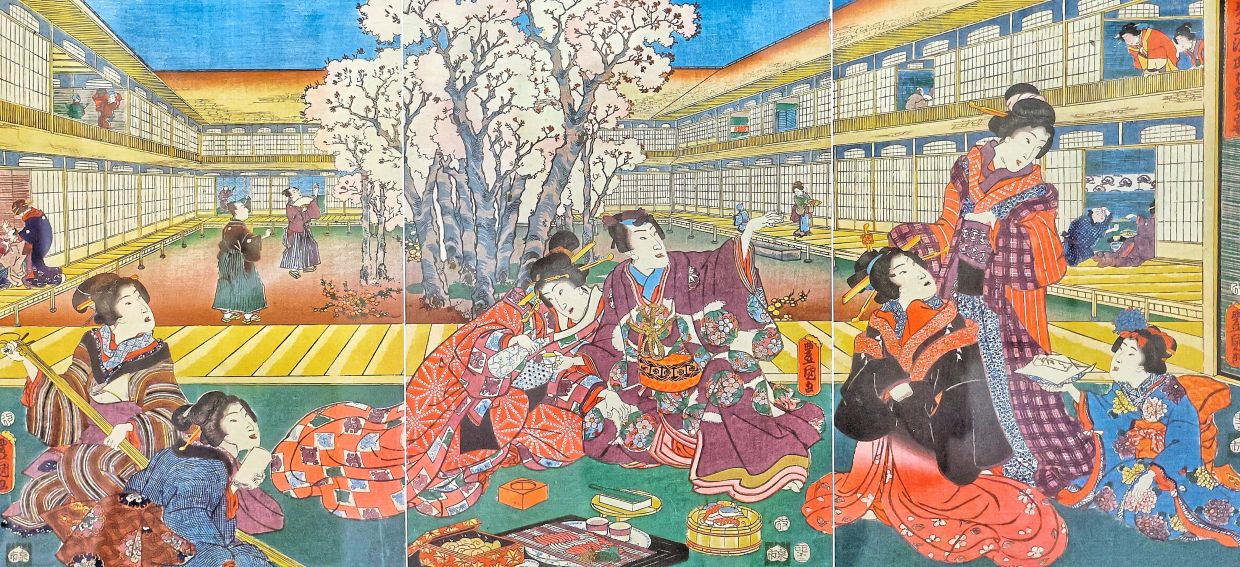
The exhibition traces this journey across five sections, exploring the early forms of sushi, its development into nigirizushi during the Edo period, and the thriving modern sushi culture that continues to inspire chefs and diners worldwide.
For history and art enthusiasts, the exhibition showcases sushi in “ukiyo-e”, or Japanese woodblock prints, and a replica picture scroll detailing Edo-era sushi-making processes.
For those drawn to the macabre, it also features the Edo-period kabuki play Yoshitsune And The Thousand Cherry Trees, which tells the folk tale of a sushi chef hiding a severed head in a wooden sushi-fermenting bucket.
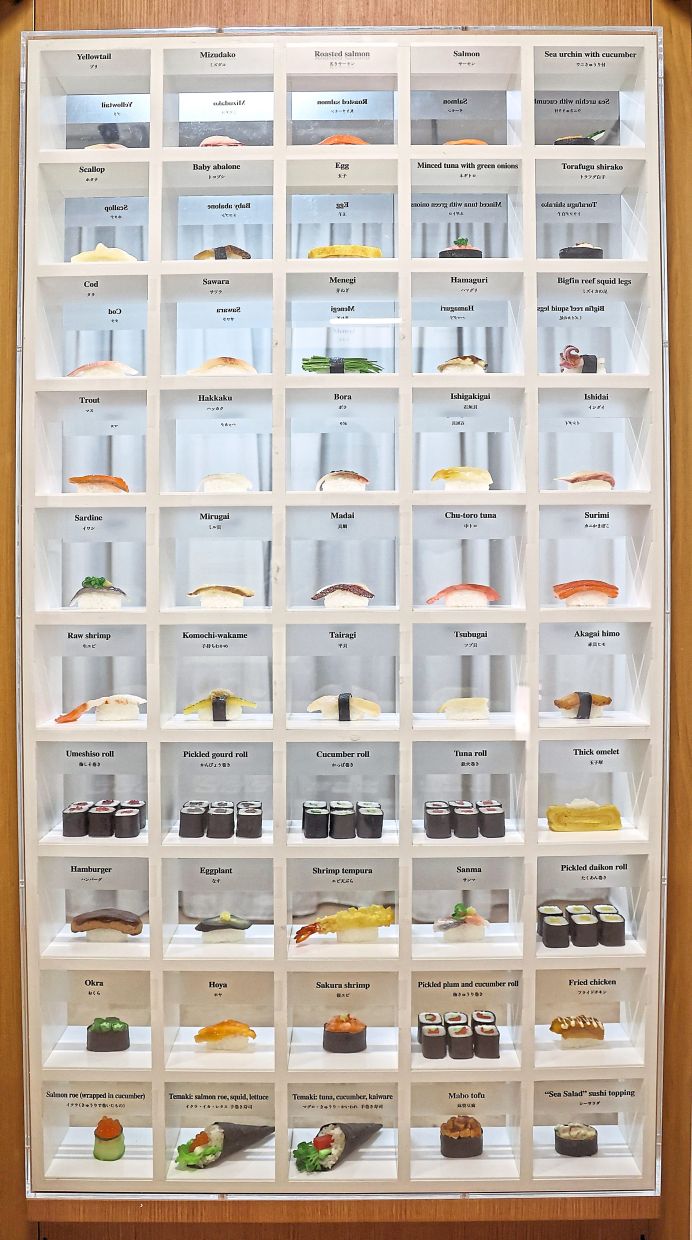
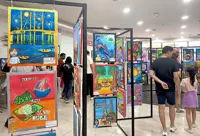
A highlight of the exhibition – and an Instagram-worthy spot – is a display of 150 types of sushi, illustrating the possibilities of nigirizushi and how it has evolved to suit today’s tastes.
A kaiten sushi restaurant installation, a recognisable sight for visitors, showcases the story of sushi served on a conveyor belt – a dining concept that began in Osaka and spread widely across Japan in the 1960s, bringing sushi back to the mass market.
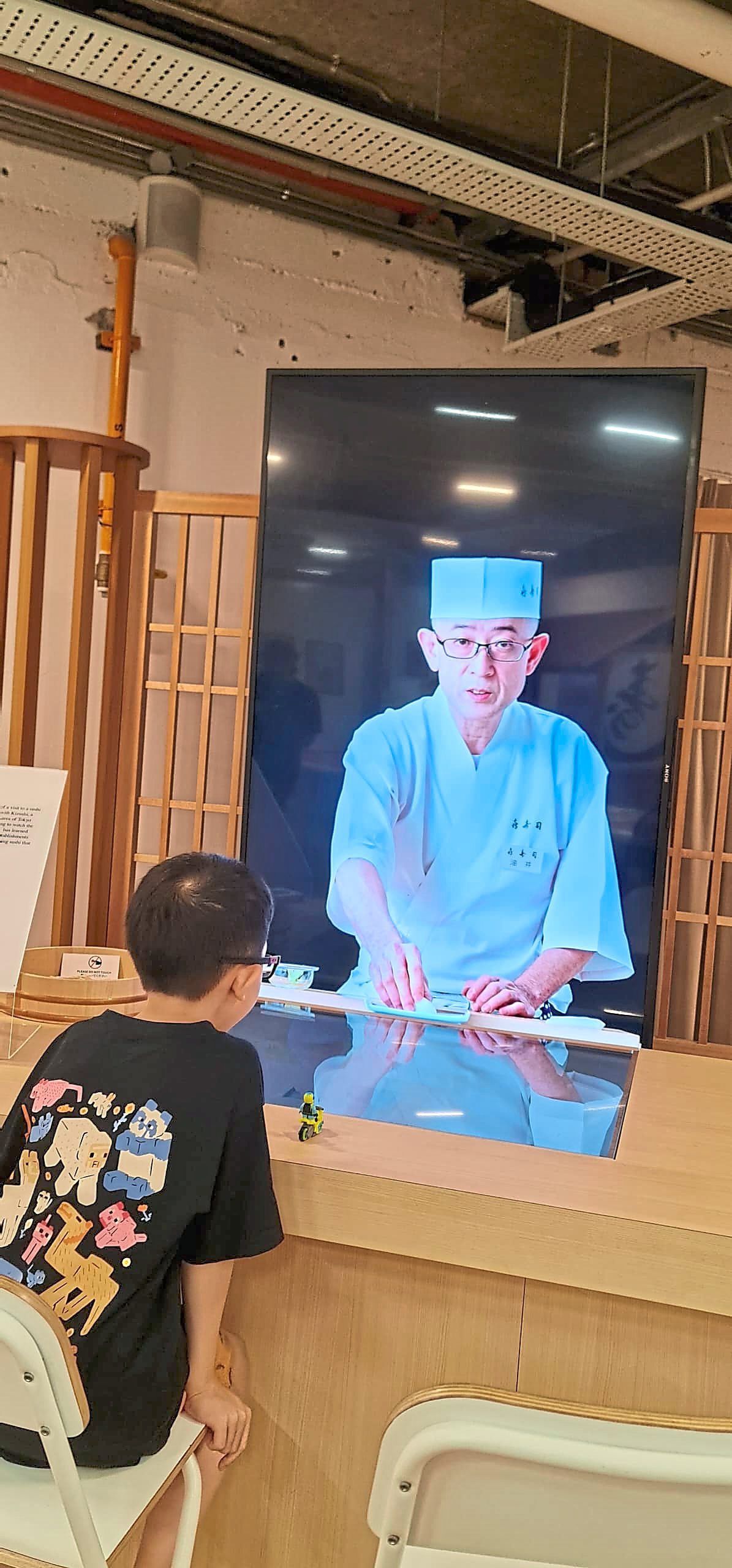
Visitors can also enjoy a virtual reality sushi shop experience – filmed in collaboration with Kizushi, a long-established Tokyo sushi restaurant continuing the Yohei Sushi tradition (Tokyo-style sushi) – alongside educational video screenings detailing the skill and artistry behind Japan’s beloved culinary tradition.
A life in sushi
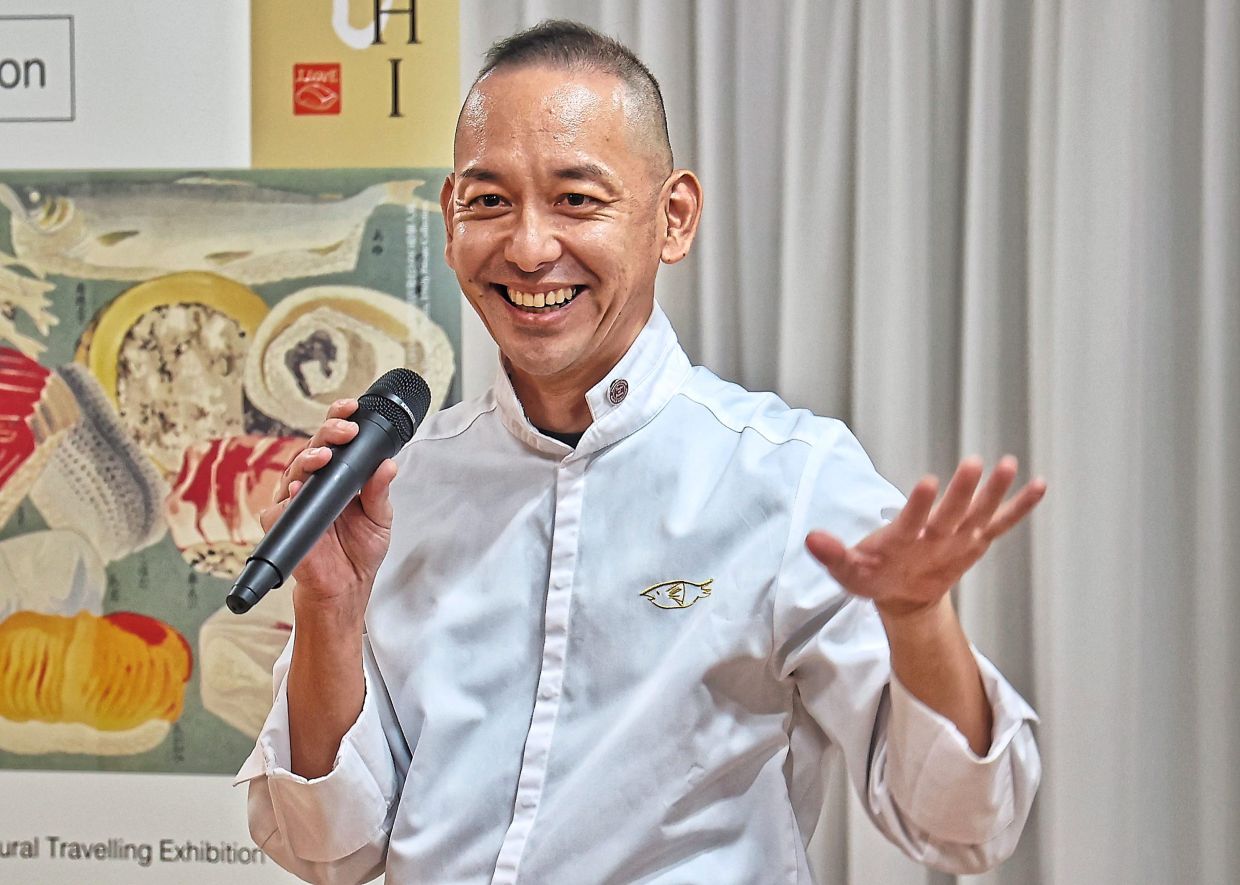
At the exhibition’s opening recently, guests enjoyed an anecdotal session with chef Makoto Saito Sam (of Sushi Hibiki at Four Seasons KL and Sakana Japanese Dining at Suria KLCC), who gave an exclusive sushi-making demonstration.
According to Makoto, a Japanese Cuisine Goodwill Ambassador, the counter at a sushi restaurant is a unique dining space.
“At a sushi counter, we are all equals. Your nationality, religion, social standing, whether you’re a man or a woman, it doesn’t matter. As a sushi chef, I believe it’s important to create harmony between yourself and your guests,” said Makoto, 48. The chef began his professional journey at age 15, working at a sushi restaurant in Tokyo.
“One of the most crucial things is your personality, because we serve food using our bare hands. Even though the sushi you make looks nice, if you have a bad attitude, it won’t taste as good. You need to be charming and have a knack for creating a harmonious atmosphere for diners to truly enjoy the food you make,” he added.
Makoto also shared some interesting historical tidbits about sushi, like how it initially started off as street food, or a kind of snack.
“In Japan, we don’t say that we ‘eat’ sushi. We use the word ‘tsumamu’, which means ‘to pinch’ something between your fingers or chopsticks. Back then, there was no such thing as an omakase course, so customers would usually point out the pieces they wanted from what was available, one by one.
“It was also a popular food at gambling dens because it was easy to eat without having to use any cutlery.
“Another funny story .... you know how Japanese restaurants have a curtain at the entrance? After eating sushi, customers used to wipe their hands on the curtain, so it was said that if the restaurant had a dirty curtain, that meant their sushi was good. Of course, nowadays, please don’t do that!” he shared, laughing.
Following its stop in KL, the I Love Sushi exhibition will travel to the state museums in Kuala Terengganu, Terengganu and Kota Kinabalu, Sabah.
The I Love Sushi exhibition is showing at The Project Room, Ur-Mu, The Toffee, Jalan Raja Chulan in Kuala Lumpur until Dec 31. Free admission. Open: Tuesday-Sunday, 11am-7pm (Closed on Mondays and on Dec 25). More info: jfkl.org.my.