THE absence of kambing golek (roast lamb) may be one of the first things lamb lovers will notice at a buffet.
For Doubletree by Hilton Kuala Lumpur executive chef Gerald Chong, however, leaving it out is the point.
“You will get roast lamb at numerous buffets,” he said.
Instead, Chong and his team want diners to experience how different cuts of lamb can be prepared according to their characteristics.
“We try to appreciate every cut of the lamb and make something different, because each cut has its own flavour.”
“The Art of Lamb” weekend dinner buffet at Makan Kitchen features 20 to 25 lamb dishes in the international spread.
For this campaign, Chong said the idea was to showcase lamb with Malay, Indian, Chinese, Middle Eastern and Western cooking traditions.
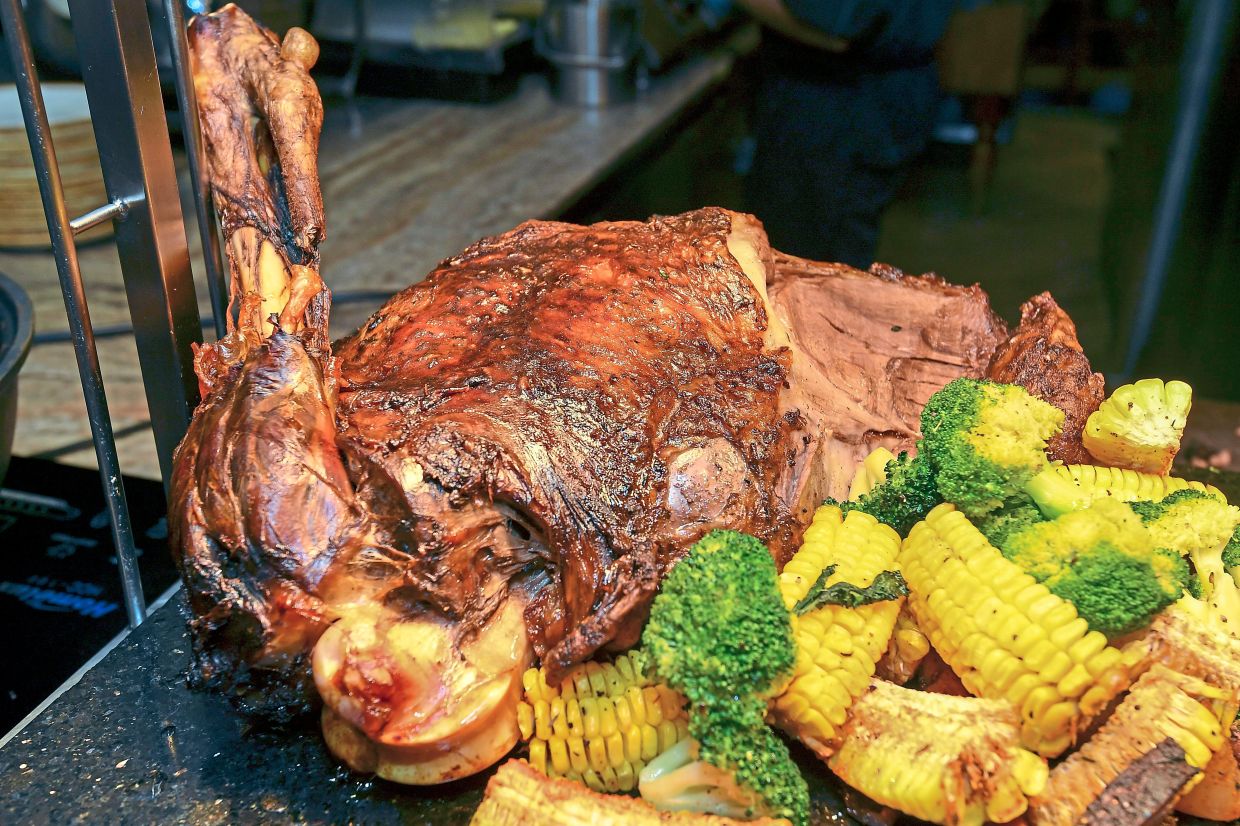
The menu includes slow-roasted Australian lamb leg with gremolata and fig and lamb neck asam pedas; Malaysian Sup Kambing Berempah, curry lamb hind shank, lamb shoulder briyani and satay; and Cantonese slow-braised lamb ribs.
Chong said the buffet followed a nose-to-tail approach, using familiar prime cuts as well as secondary cuts, offal, bones and trimmings.
“People are used to all the prime cuts, like lamb racks and French cuts.
“We use everything for braising and grilling, even our briyani uses lamb shoulder, which I think is more flavourful.”
The hotel receives both imported individual cuts and whole lamb, with its master butcher at work providing particular cuts that are required.
Deciding what to make with each cut involves several rounds of testing by Chong and his team.
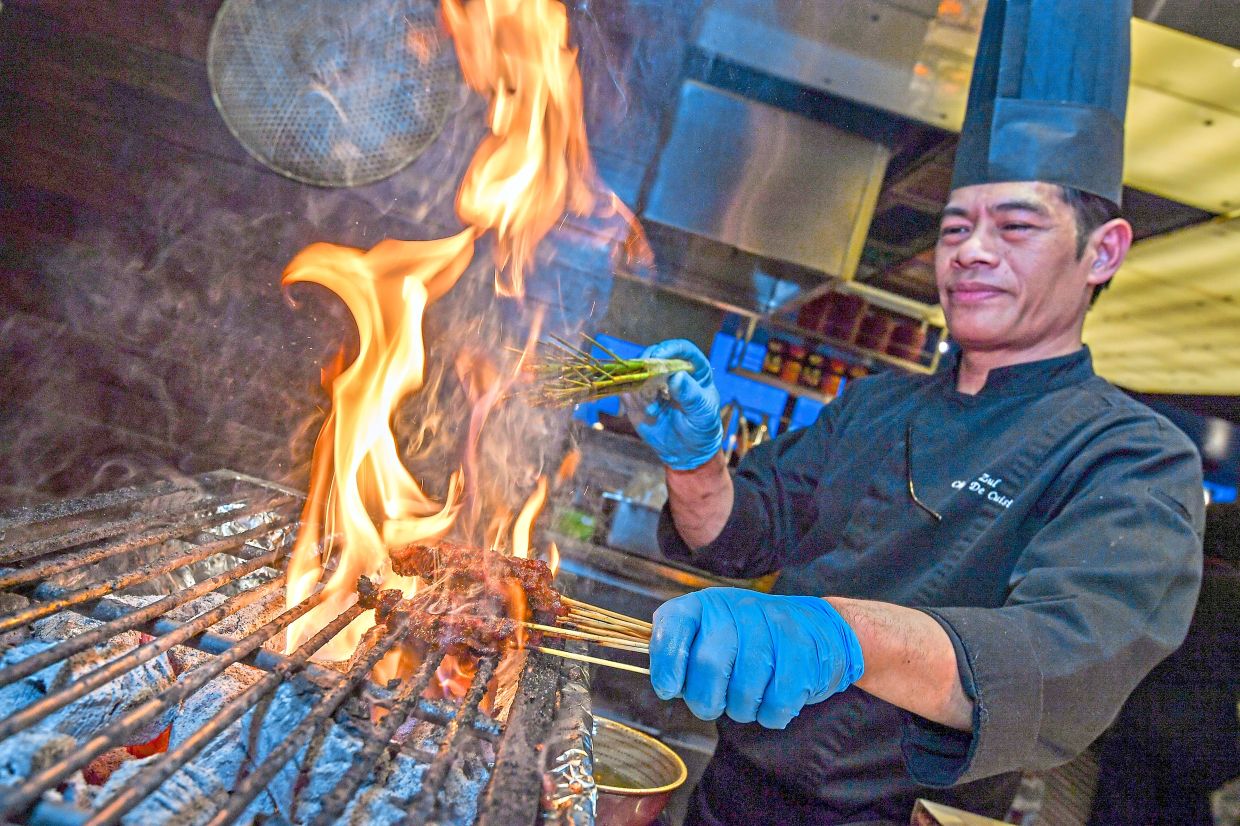
“We tried grilling, braising and stewing different cuts before making a decision on the menu,” he said.
“Factors such as collagen content, amount of fat and whether the bone remains attached influence the cooking method.”Cuts rich in collagen, he said, lent themselves to dishes such as curry and soup that benefitted from longer cooking.
The shoulder, meanwhile, is used for the briyani as well as other slow-cooked preparations.
Chong said the greatest challenge came from incorporating lamb into the Chinese section of the buffet.
“Lamb in Malay, Indian and Western cooking is very common.
“In Chinese cuisine, lamb is more common in the Xinjiang area, but we try to feature it in Malaysian-style Cantonese cuisine.”
The kitchen uses spices including Sichuan pepper, star anise and angelica root for some of its Chinese preparations to complement lamb’s stronger flavour.
Western preparations may be marinated for about a day, while the Indian kitchen uses yoghurt and young papaya to help tenderise the meat.
“We need to know with secondary cuts how gamey they are, the gelatin content and how much flavour can come from the bone attached to the meat.
“We also look at how long we braise or stew it with aromatic spices so that we can produce a more flavourful and well-balanced lamb,” the chef said.
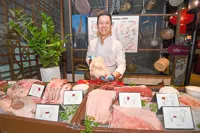
The different cuts are identified around the buffet through “Know Your Cuts” displays, allowing diners to see which part of the animal is being used and the ideal cooking methods.
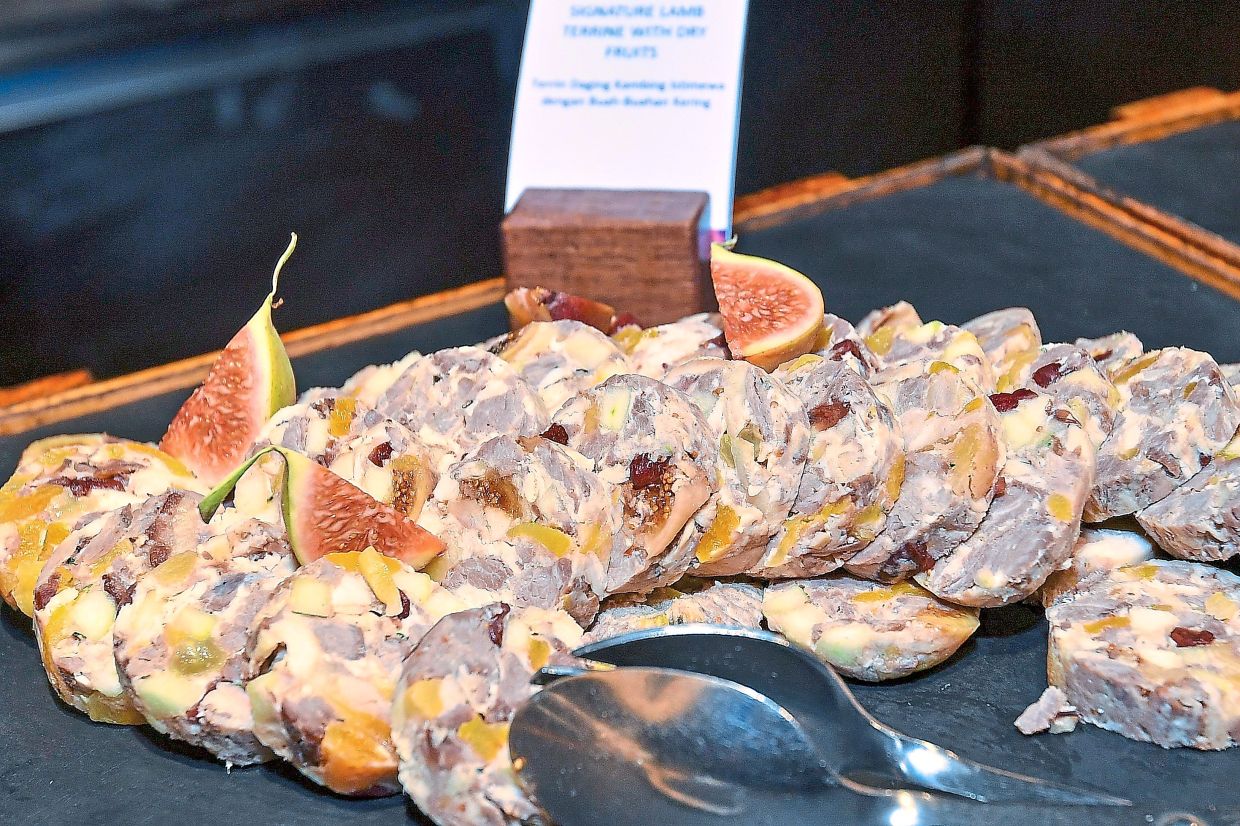
One of the less conventional preparations is lamb terrine, a cold dish Chong said was made using scraps from other cuts.
The bones are also retained to make lamb stock and jus.
“Nothing goes to waste.”
Among the dishes Chong considers highlights are the Malay lamb curry and briyani.
Maintaining consistency in the briyani was also among the more demanding aspects of preparing the spread, he added.
For diners who may be hesitant about lamb because of its distinctive aroma, Chong suggests beginning with the curry.
Those feeling more adventurous can then move on to the soup or grilled selections.
Chong is sure lamb lovers will try everything.
“The Art of Lamb” weekend dinner buffet is available at Makan Kitchen, DoubleTree by Hilton Kuala Lumpur, every Friday and Saturday until Nov 28, from 6.30pm to 10pm.
It is priced at RM168nett per adult and RM84nett per child, with a buy four, get one free promotion and Hilton Honors discounts available.
Makan Kitchen, DoubleTree by Hilton Kuala Lumpur, Level 11, The Intermark, Jalan Tun Razak, Kuala Lumpur. (Tel: 03-2172 7272; 012-290 4551) Business hours: 6am to 10pm daily.
This is the writer’s personal observation and is not an endorsement by StarMetro.