VAT Group finance director Sanjeev Selvarajah recalled that when having lunch with his colleague near Lake Zurich in Switzerland recently, she insisted on knowing where the restaurant sourced the chicken from.
When asked, the colleague explained that Swiss chickens are sustainability farmed, while the Brazilian counterparts are not, with the difference also reflected in the price.
Chicken may not be the first thing that comes to mind when people talk about ESG, but Sanjeev shared the anecdote to illustrate his response to whether customers are willing to pay more for sustainable products and services at the Chief Financial Officer (CFO) Forum 2026 organised by Star Media Group in September.
“The simple answer is yes, if they can afford it and if that’s part of their objective,” he said.
Sanjeev further regaled the audience with his observations of how chicken consumption has evolved over the years, from buying chicken at wet markets and later opting for broiler chicken when growing up in Sri Lanka, to having the option of free-range chicken in Australia.
And two years ago, his wife requested for kampung chicken after giving birth in Malaysia.
“We are coming full circle. It was fancy to have products that were mass-made ... but right now, there’s a little bit more awareness of what is going around in the sustainability side of things.
“So yes, people are paying for it if they see a value in it and if that aligns with the principle of affordability.”
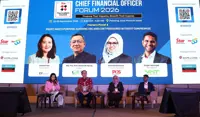
Sanjeev was part of a plenary panel on “Profit Meets Purpose: Aligning ESG and Cost Pressures Without Compromise”, which was moderated by Ernst & Young Consulting associate partner Jasmine Voo.
The panel highlighted the need for a strategic shift from compliance to financial and operational integration for sustainability initiatives to be drivers of long-term business value, and CFOs are instrumental in leading this transformation.
“Value creation, for us, goes beyond profit,” said Pos Malaysia Bhd financial controller Jessimah Sulaiman, adding that sustainability is a way of doing business, with social responsibility and employee welfare taken into consideration.
Citing Pos Malaysia’s electric vehicle fleet as example, Jessimah said ESG-minded businesses work with the national post and parcel service provider because its greener mode of transport ties in with their sustainability goals. “It’s about connecting our purpose with their purpose.”
To convince the board to approve an ESG project, Sanjeev shared that returns, risks and long-term benefits are important elements of the conversation.
“We can continue the way we operate, but what does that mean in terms of risk? We sell the concept to them as an insurance to change the risk. We are going to reduce a lot of unforeseen issues.
“When the ESG initiative protects our long-term competitiveness, it becomes aligned with our priority,” he said.
ESG Association of Malaysia president Adjunct Practice Professor Cheah Kok Hoong shared a story of a fourth-generation family-owned e-commerce company that was interested to incorporate ESG into the business, while none of their peers have done so.
“The cost barrier is high because when no one is
pursuing, the resources are scarce, but she said she wanted to do it first and that her competitors would be her followers,” he said.
After the business owner convinced other family members, the company engaged a consultant and was on its way to be ESG ready.
“Were there any market forces? No. This is a self-driven mentality of someone saying ‘I want to do more’ and believing that ESG can take the business to greater heights,” he said.