In the presence of industry leaders, policymakers, academics, communities and business leaders at the Raffles Hotel Jakarta on the evening of July 22, 2026, award after award was presented to those who have been working behind the scenes to reduce waste, develop clean energy, empower communities, build talent and transform how organisations create value.
At the culmination of the Lestari Summit and Awards 2026, organised by KG Media, sustainability proved to be much more than a list of awarded initiatives.
The journey to the award stage demonstrated how the issue of sustainability has stepped onto the “real stage”, shifting from mere discourse into an integral part of development strategy and organisational practice.
The Lestari Summit brought together various stakeholders to discuss the challenges and opportunities of sustainability. Government, business, academia, communities and media gathered in one room to address policy, innovation, strategy and collaboration.
After ideas were exchanged, the Lestari Awards highlighted the tangible reality of this journey: the actions undertaken and the impacts produced.
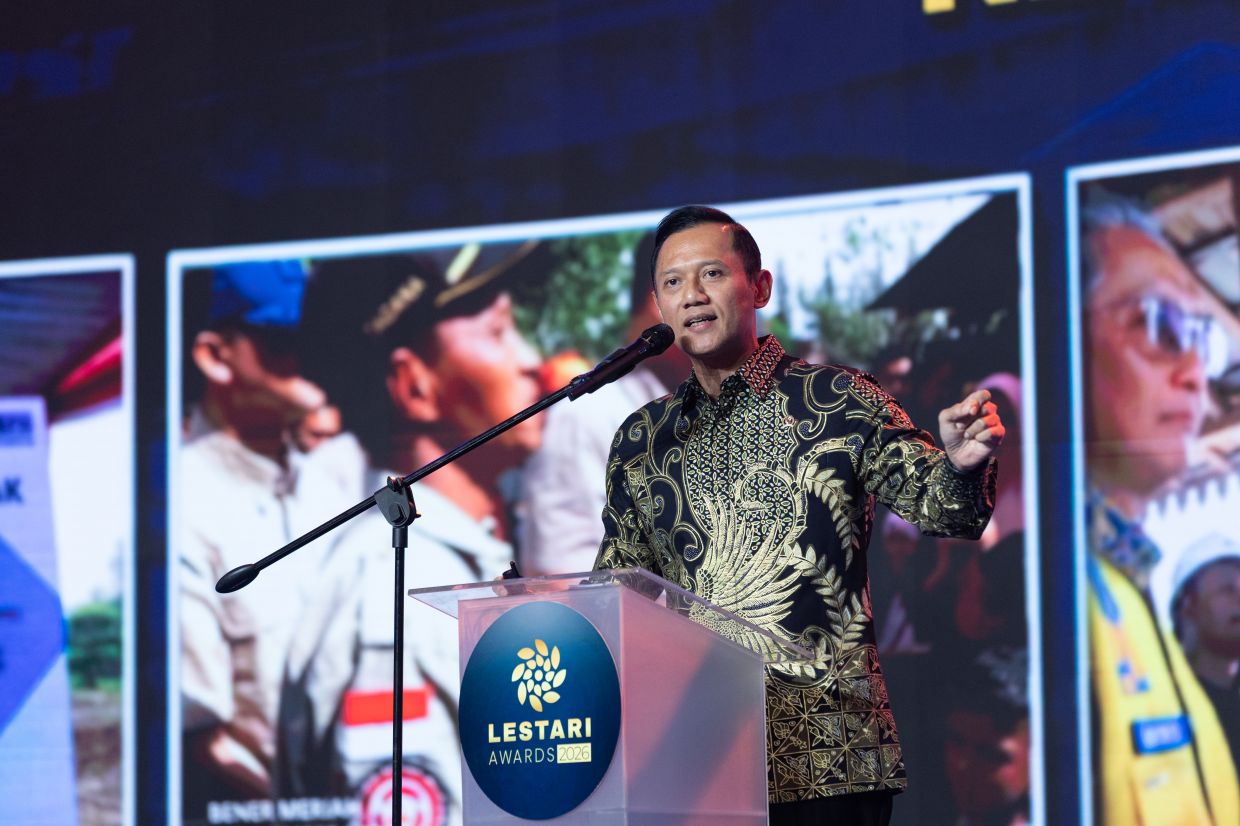
Infrastructure and Regional Development Coordinating Minister Agus Harimurti Yudhoyono framed this message within the context of national development.
According to him, the climate crisis is no longer merely an environmental issue, but a challenge directly affecting people’s lives.
“Environmental sustainability is certainly no longer an option and must no longer remain a peripheral issue. It must become mainstream in policymaking at all levels,” said Yudhoyono when opening the event.
Indonesia, Yudhoyono noted, must be capable of maintaining a balance between economic growth, community wellbeing and environmental sustainability.
This challenge arrives alongside geopolitical uncertainty and technological disruption, but it also offers opportunities through the green economy, blue economy, digital economy and industrial downstreaming.
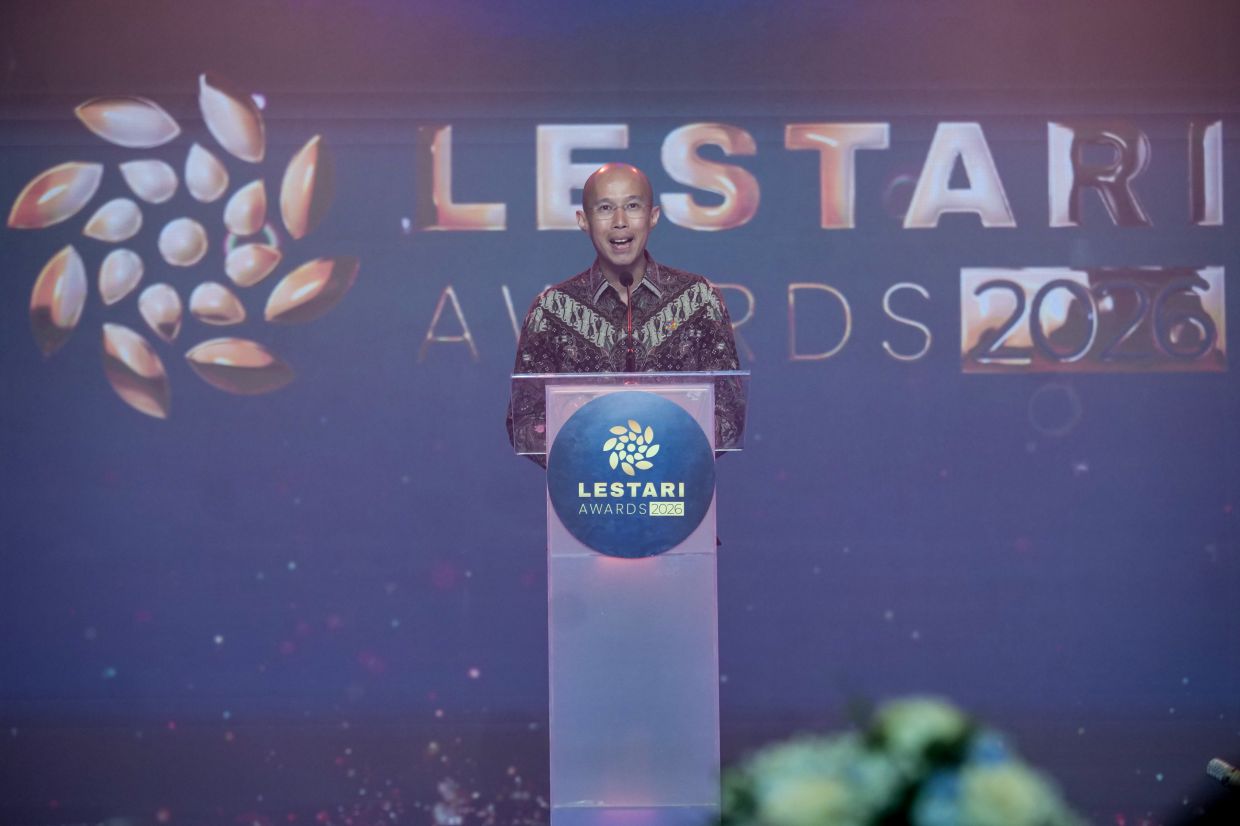
The key is resilience and collaboration. The government cannot possibly be the sole actor in an agenda of this magnitude. Business, academia, communities and the media must take on roles according to their respective capacities.
“The government cannot stand alone. Academia is also vital, communities must be involved and the media must continue to be part of the community’s efforts,” said Yudhoyono.
For KG Media, the idea of collaboration is one of the reasons Lestari continues to be developed.
KG Media chief executive officer Andy Budiman stated that sustainability faces challenges amid economic uncertainty and digital transformation.
Sustainability needs to be positioned not as an add-on agenda, but as a strategy to build resilience and create long-term value.
This message takes concrete shape in the Lestari Awards. Entering its third year, the awards present 14 categories covering various aspects of ESG and Sustainable Development Goals (SDGs).
The issues range from ecosystems and waste, circular economy, renewable energy and energy efficiency to diversity and inclusion, talent, local communities, health, supply chains, partnerships, transformation and sustainable products and services.
The Lestari stage is not reserved solely for large corporations. Small and medium enterprises (SMEs) are given equal space to show that change can begin at different scales.
To ensure the judging remains credible, the selection process was conducted independently by 12 external judges from government, academia, practitioners, non-governmental organisations and sustainability professionals.
The judging panel was divided according to social, environmental, governance and SME categories so that each initiative could be evaluated based on expertise and relevant indicators.
This year’s award recipients span a broad spectrum of action. PT Pertamina Hulu Rokan Zone 1 received recognition for its Inclusive Harmony programme under the Diversity, Equity and Inclusion category.
PT Telkom Indonesia was awarded for its People Development Plan in talent development. PepsiCo Indonesia demonstrated a focus on sustainable agriculture and landscapes, whilst PT Solusi Bangun Indonesia brought circular economy practices to life through Nathabumi.
From the SME category, Parongpong Raw Lab stood out for its waste-to-material approach. Pandawa Agri Indonesia developed a smallholder farming ecosystem through RiceVitalize, whilst PT Khazanah Hijau Indonesia received recognition for its Rekosistem Waste Station.
Though the names and programmes vary, the challenge addressed shares a single commonality: how to generate lasting benefits for the environment and society while strengthening organisational governance.
That journey also highlights the role of the media within the sustainability ecosystem. Media does not merely report news on policy or awards; it brings together diverse experiences, elevates proven solutions and builds public awareness. Through Lestari, KG Media brings together editorial and engagement platforms in a mutually reinforcing ecosystem.
This spirit extends beyond Indonesia. In tandem with the Lestari Awards, a similar sustainability awards event was held in Malaysia and the Philippines as part of cross-border collaboration on ESG issues.
This demonstrates that the sustainability journey is not conducted in isolation. While contexts and challenges differ, the need to learn and collaborate across borders is increasingly essential.
Trophies are not the finish line, but recognition of initiatives worth learning from and potentially replicating.
Recognition also serves as an impetus to continuously improve and scale up existing practices. Ultimately, the Lestari Summit and Awards 2026 represent a journey from awareness to commitment, from commitment to action and from action to impact.
When sustainability finally steps onto the real stage, it is not merely the winners being celebrated. What is being celebrated is the possibility that more parties are willing to move forward together to build a more resilient Indonesia.