
WHEN Jacelyn See Choon Min first visited the Sultan Salahuddin Abdul Aziz Power Station in Kapar, Selangor, in 2018, she was immediately overwhelmed by the sights and sounds.
The sky was filled with migratory birds arriving in great numbers, chirping and calling. Some splashed about in shallow ponds, while some curled into fluffy balls and slept.
“It felt like a scene straight out of National Geographic. I feel very proud to see how important Malaysia is for wildlife; it was a beautiful and magical moment,” See, an ornithologist and wetlands conservation officer at the Malaysian Nature Society (MNS), recalled.
Situated right by the coast, the 2,200-megawatt power station of Tenaga Nasional Bhd (TNB) is not just one of the largest power plants in Malaysia. It is a vital high-tide roosting and wintering ground for migratory waterbirds plying the East Asia-Australasia route, which spans 22 countries.
Over time, parts of the site have evolved into suitable resting areas for waterbirds.
Its close proximity to food-rich mudflats and mangrove forests makes it an ideal pitstop for birds on their journey of thousands of kilometres.
“These shorebirds are not designed to perch on tree branches, so they need open, flat land. That is why they look for spaces like this Kapar station,” See explained.
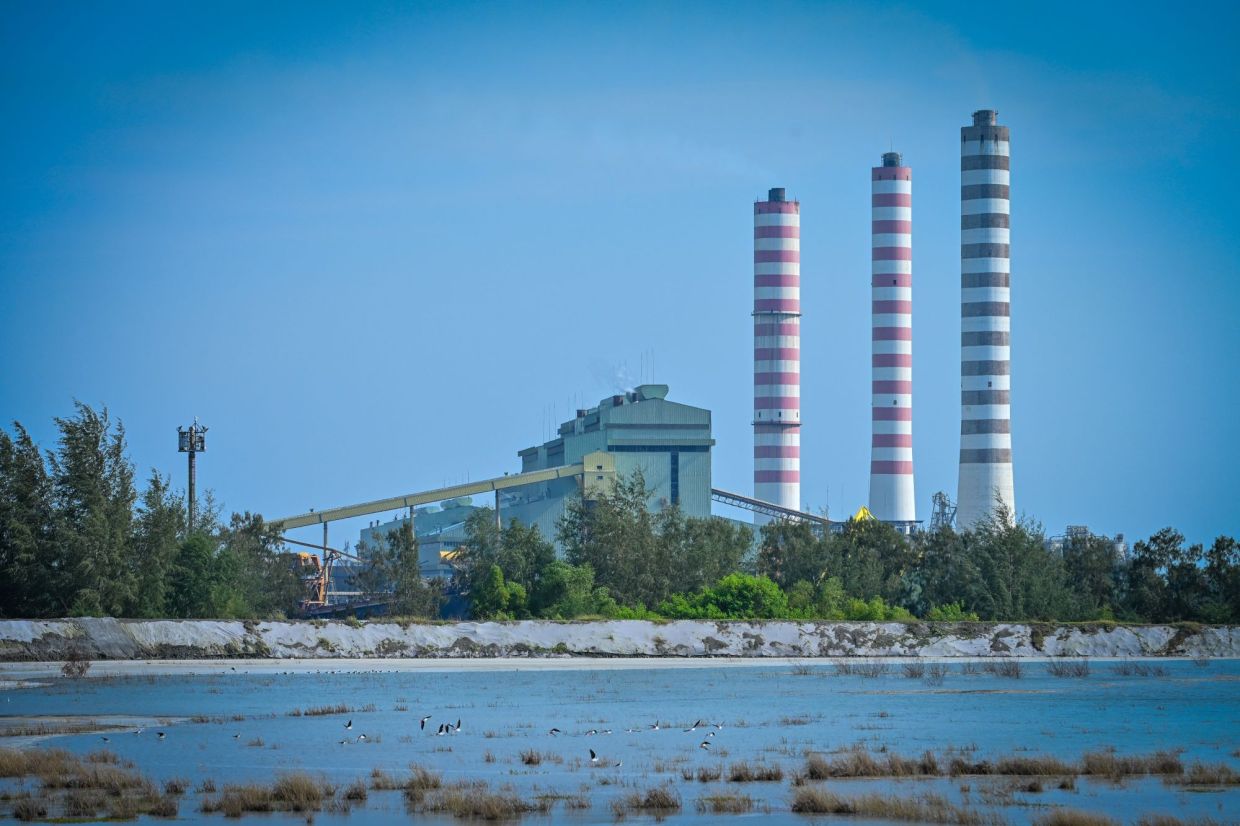
Long-term monitoring, which began in 1988, revealed the ecological value of this site. In fact, it may be the most important roosting ground for the avians in Malaysia, she said.
“The number of birds here can reach over 20,000 or 30,000 in a single one-hour count, which is something not observed at any other site in Malaysia.”
Counts are conducted monthly during high tide. In 2022, the team observed 40 species at the site, with the highest single count of each individual species across the year totalling 36,692, See explained. In 2024, a peak count of 21,224 was recorded in December, during which 29 species were identified, she added.
The species calling at the Kapar power station included three globally endangered species – Far Eastern curlew, great knot and Nordmann’s greenshank – alongside one vulnerable and seven near threatened species.
These avian friends start arriving in September and October, migrating from the Arctic region towards Australia and New Zealand, before returning in March and April.
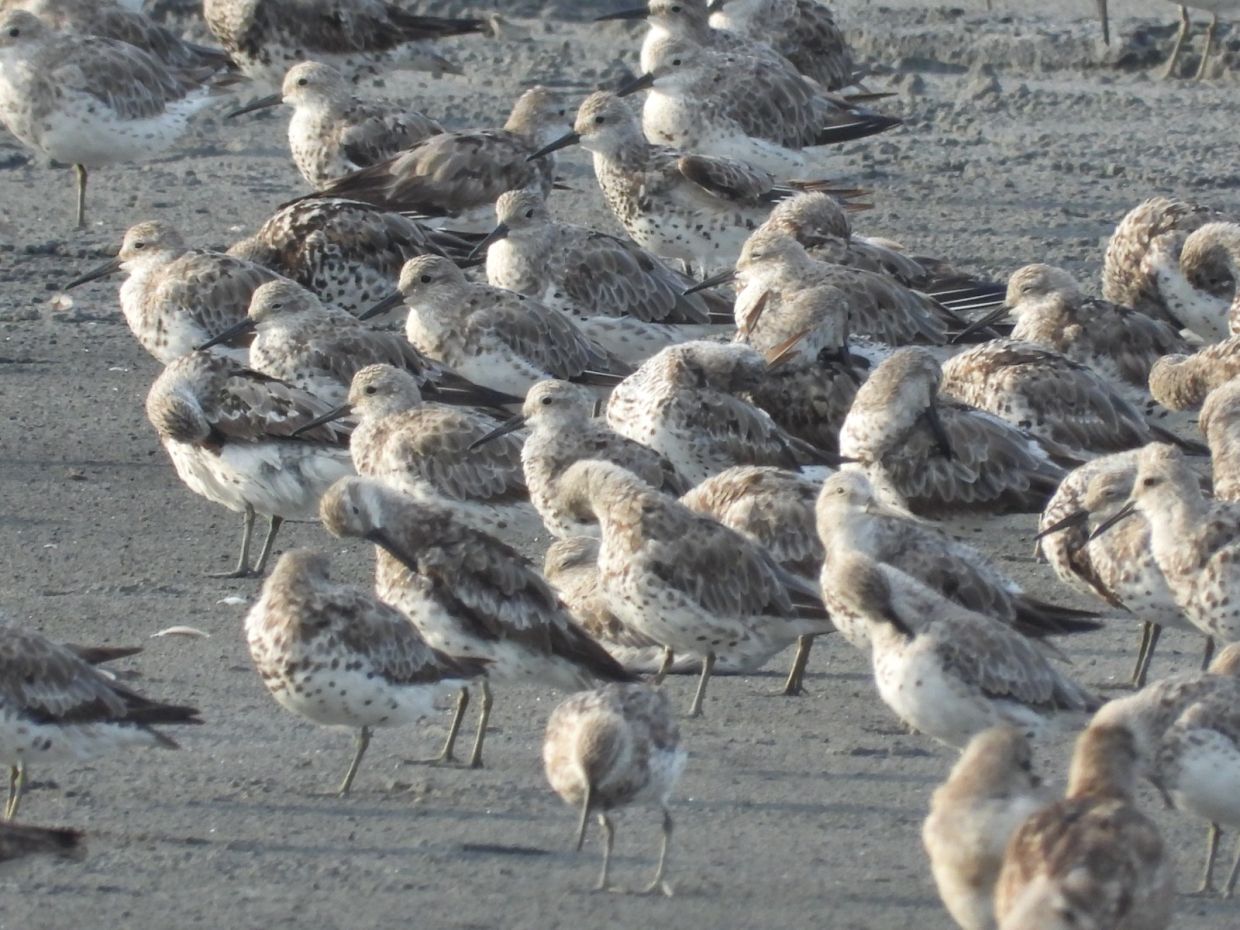
Data from this site, when compared across the flyway, shows that some species exceed 1% of the total flyway population. Yet, behind the high numbers lies a sobering reality.
“Globally, the migratory shorebird population is decreasing. The increase in birds at this Kapar site could suggest the loss of other habitats along the route,” See said. “They have fewer places to go, so they congregate here, which makes this site even more important.”
In June 2016, representatives from the government, MNS, East Asian-Australasian Flyway Partnership (EAAFP) and other stakeholders endorsed the Kapar Declaration to advance conservation efforts at the site.
See said MNS and other stakeholders are lobbying for the Kapar power station to be recognised formally as a Flyway Network Site under the EAAFP.
“It will be very meaningful to achieve this status. It will open up opportunities for collaboration with other sites, because in migratory bird conservation, we cannot protect just one site; we have to work together with other stopovers in the network.”
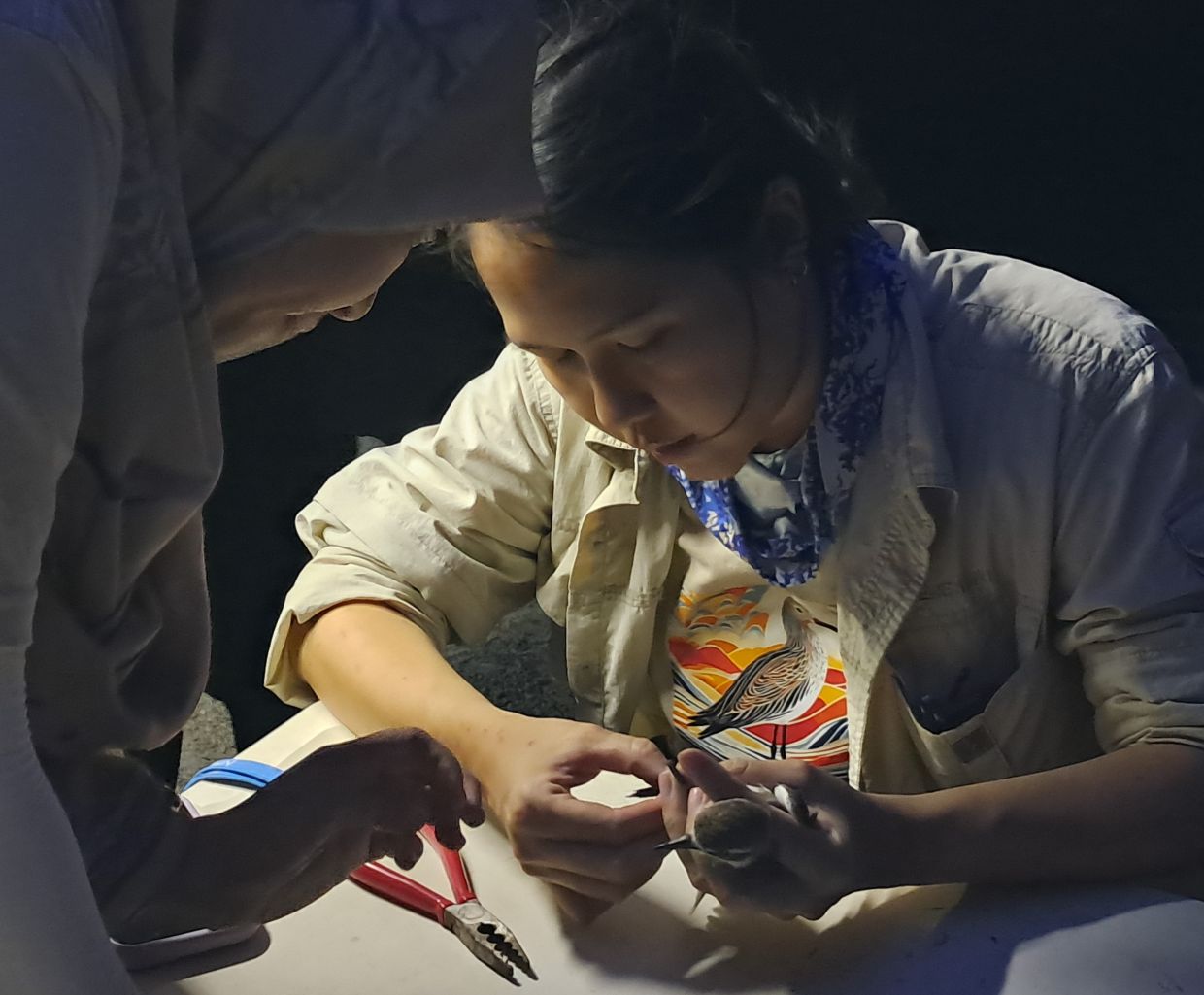
The public, too, can play a role. Other than beach clean-up and tree planting, individuals can volunteer in bird counts, contributing to international conservation initiatives, See said.
TNB, through its Echoes of the Sky programme, supports conservation awareness programmes, community-based monitoring and conservation activities.
These efforts, aligned with Malaysia’s National Policy on Biological Diversity 2022-2030, is proof that critical infrastructure and biodiversity protection can co-exist for long-term ecological resilience.