
As Malaysia accelerates its transition toward net-zero emissions, the conversation around nuclear energy has re-emerged.
With renewable capacity—especially solar—scaling rapidly, the central challenge is no longer decarbonisation alone, but how to do so while maintaining affordability, reliability and energy security.
Nuclear power, once considered politically untouchable, is increasingly being discussed as a potential component of Malaysia’s long-term energy mix.
Firm, low-carbon power
From an environmental perspective, nuclear power offers a critical advantage: firm, low-carbon electricity. While solar and wind are essential to Malaysia’s energy transition, their intermittency creates system-level challenges at scale.
Arthur D. Little’s system modelling shows that once variable renewables approach around 60% to 70% of generation in typical power systems, overall system costs begin to rise disproportionately unless firm capacity is added.
This is due to the growing need for energy storage, backup generation and grid reinforcement. At high renewable penetration levels, our analysis shows that a growing share of total power system costs shifts away from generation itself toward flexibility assets such as storage, reserve capacity and grid reinforcement.
Hydrogen, meanwhile, is best viewed as an energy carrier rather than a primary power source. Producing hydrogen involves efficiency losses, and its near-term value is strongest in hard-to-abate industries rather than bulk power generation.
Nuclear plays this stabilising role. Globally, nuclear plants operate at capacity factors of 85% to 90%, compared with around 20% for solar photovoltaic (PV). This makes nuclear particularly valuable not as a replacement for renewables, but as an anchor that allows them to scale without undermining system stability.
High upfront cost, long-term stability
Affordability remains the most contentious aspect of nuclear energy. Nuclear plants require large upfront capital investment and long development timelines, but they also offer stable, predictable costs over multi-decade lifespans.
Arthur D. Little’s analysis shows that 70% to 75% of nuclear’s lifetime cost is driven by financing and construction risk, while fuel accounts for less than 10%. This contrasts sharply with gas-fired power, where fuel costs can make up 50% to 70% of total lifetime cost, exposing consumers to price volatility.
This means nuclear’s affordability hinges less on uranium prices and more on governance, financing structures and project execution.
Arthur D. Little’s review of global nuclear projects shows that where governance is weak, cost overruns of 30% to 60% are common, while programmes built around standardised designs and repeat delivery perform materially better.
Energy security
Malaysia’s electricity demand is expected to rise steadily due to industrial growth, electrification and energy-intensive sectors such as data centres. In this context, nuclear offers important energy security advantages.
Nuclear fuel can be stockpiled for 18 to 36 months, significantly reducing exposure to short-term supply disruptions. By contrast, gas and coal plants rely on continuous fuel supply chains and are vulnerable to geopolitical and market shocks.
For a country seeking long-term resilience, nuclear reduces dependence on volatile global energy markets while supporting domestic energy security.
While small modular reactors (SMR) are often positioned as a more flexible option for newcomer countries, Arthur D. Little’s SMR research estimates that fewer than 10 designs out of over 300 SMR concepts globally are likely to reach meaningful commercial maturity this decade.
SMRs offer several potential benefits, such as lower capital exposure per unit and passive safety features. Their smaller unit sizes also align with incremental demand growth.
However, early SMRs may initially be more expensive per megawatt-hour due to first-of-a-kind costs and limited manufacturing scale, until supply chains mature and standardisation is achieved.
Technology selection and regulatory readiness will therefore be critical.
Challenges and hurdles
Malaysia’s tropical climate requires careful consideration of cooling system design, flood risk and site selection. High temperatures, heavy rainfall and rising sea levels necessitate conservative engineering and siting standards.
While Malaysia is not highly seismic, regional seismic exposure still requires robust design margins. Countries that have shelved nuclear options due to geography underscore the importance of not forcing unsuitable sites.
That said, public support is likely the biggest hurdle to nuclear deployment.
While nuclear performs strongly on environmental metrics, our work in nuclear has found consistently that social acceptance and governance quality determine success.
Global experience shows that trust is built through a genuinely independent nuclear regulator, transparent safety assessments and siting criteria, and meaningful public engagement with host communities.
Building public confidence
In 2026, we can keep an eye out for progress in Malaysia’s regulatory reforms and readiness assessments, while monitoring clearer signals on SMR commercial readiness as well as regional advances in feasibility studies and international partnerships.
No South-East Asian country currently operates a commercial nuclear power plant, but interest is growing. As Malaysia conducts its preparatory work, Vietnam, Indonesia and the Philippines are all revisiting nuclear options in different forms.
The key lesson from the region is that institution building must come before construction. Countries that rush into technology selection without regulatory and human-capital readiness face delays and loss of public trust.
Nuclear should be treated as national infrastructure, not merely a commercial power project. To manage tariff impacts, Malaysia would likely need long-term power offtake agreements, government-backed guarantees to reduce financing costs, and clear consumer protection mechanisms against cost overruns.
As for nuclear waste, its volume is relatively small compared with other industrial waste streams, but it requires long-term institutional stewardship, making governance the central challenge.
Malaysia would need a clear national radioactive waste policy, secured interim storage from the outset and long-term funding and oversight mechanisms to assure the public that nuclear waste will be handled safely.
Based on Arthur D. Little’s experience with nuclear newcomer countries, developing full readiness—from regulation and human capital to emergency preparedness—typically takes eight to 12 years before first power generation.
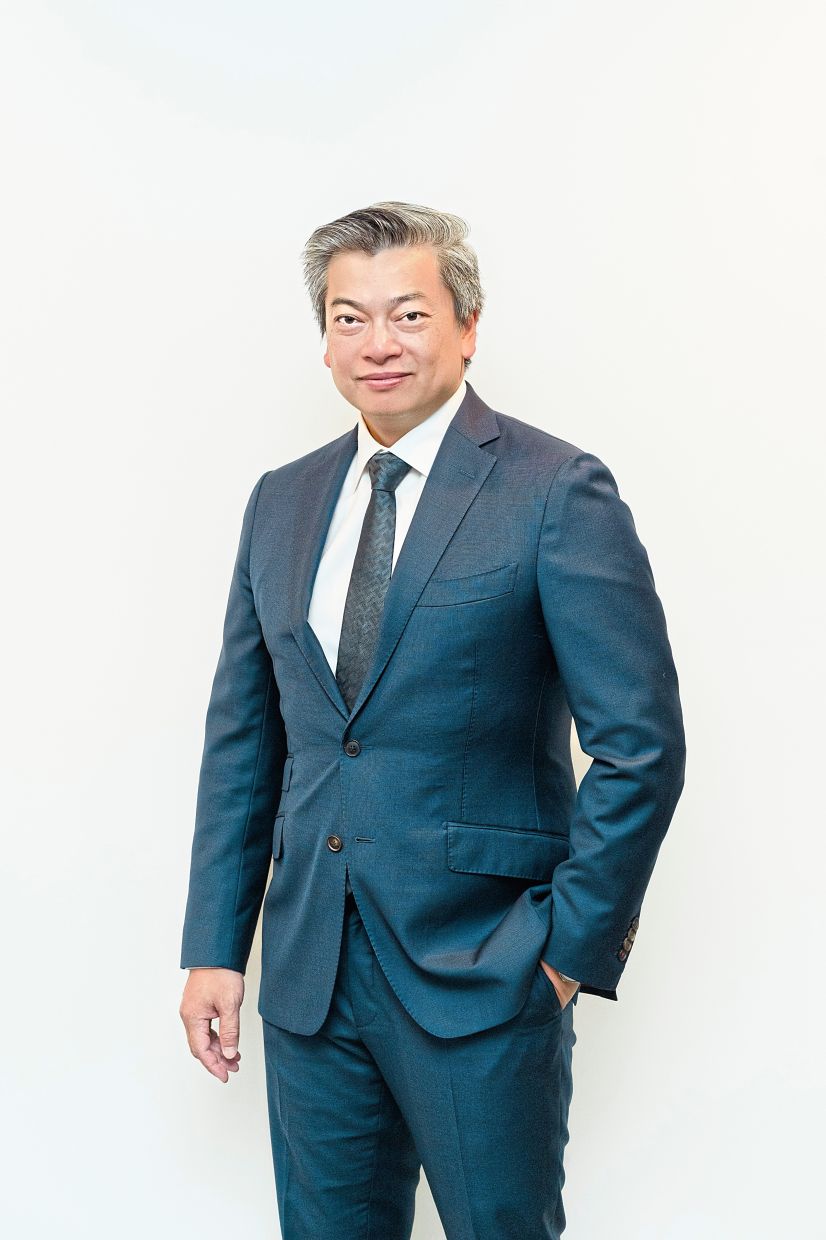
Quoting myself from a previous interview, “The next phase is not about building reactors, but about building institutions, skills and public confidence.”