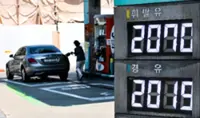
SEOUL: The United States and Iran’s agreement to end their war and reopen the Strait of Hormuz raises hopes in export-dependent South Korea of a normalisation of global energy supplies and a resumption in shipments by vessels stranded for months in the Persian Gulf.
But industry officials remain cautious, as uncertainties remain ahead of the formal signing of the agreement, and it will take time for maritime traffic to return to prewar levels.
US President Donald Trump announced on Sunday that a peace deal had been reached with Iran, ending all hostilities that were started by US and Israeli strikes on Iran that began on Feb 28.
The prolonged conflict effectively restricted passage through the Strait of Hormuz, one of the world’s most important energy and shipping choke points.
Iran confirmed the agreement, with both sides committing to reopen the strait upon the signing of the official agreement, which has been set for Friday in Switzerland.
There are 24 South Korean-managed vessels, with a total of 137 South Korean sailors on board, stuck in the Persian Gulf, from which the strait is the only exit.
The figure includes ships flying the South Korean flag as well as vessels owned by South Korean companies.
Among them is HMM’s cargo vessel Namu, which was attacked in May and later towed to Dubai in the United Arab Emirates for repairs.
South Korean authorities said they have maintained close communication with ship operators and crews and are preparing measures to assist vessels once passage through the strait resumes.
But industry officials said security risks remain the biggest obstacle, as commercial vessels faced a heightened threat of attack throughout the conflict and certain areas may need to be cleared of mines and other dangers before traffic can safely resume.
Shipping companies are likely to wait until there is clear evidence of safety before navigating the strait.
“Even if a formal agreement is signed, that does not mean vessels can immediately resume normal operations,” said a shipping industry official.
“Physical threats need to be removed, safe navigation routes need to be secured and war-risk insurance matters have to be resolved.”
The official said shipping companies remained cautious about resuming operations given the security risks and elevated insurance costs.
With around 2,000 vessels trapped, congestion is also expected to slow the recovery of maritime traffic.
“The agreement is a positive signal, but normalisation will likely take months,” the official said. “Shipping companies are closely monitoring government guidance and developments in the negotiations.”
South Korea’s refining and petrochemical industries also welcomed the prospect of a peace deal, as the reopening of the strait could help ease supply worries that have weighed on the sector throughout the conflict.
The industry has been particularly hit hard by the disruptions in the Middle East, as South Korea sources roughly 70% of crude oil and 18% of its liquefied natural gas imports from the region.
Global oil prices fell following the news, with Brent crude prices down 3.9% to about US$84 a barrel. US crude dropped 4.8% to about US$81 a barrel, marking the lowest price for crude since the first week of the war in March. — The Korea Herald/ANN