Jamie Ling, group CEO of AmBank Group
The Budget 2026 - the first budget under the 13th Malaysia Plan (13MP) – continues with the balanced approach in maintaining fiscal discipline, attracting and promoting new investments from both domestic and foreign investors and driving social upliftment. Over the past three budget cycles, we have seen economic stability and policy certainty, which have benefited the economic sectors and increased investor confidence.
While policy clarity has continued to build confidence, external risks remain elevated. To cushion households, we are encouraged by continued government cash handouts, namely Sumbangan Tunai Rahmah (STR) and Sumbangan Asas Rahmah (SARA), alongside targeted subsidies. These automatic stabilisers will help sustain private consumption amid a challenging external environment.
We laud the Budget 2026’s allocations on High Growth High Value (HGHV) sectors, notably semiconductors, renewable energy, and AI-driven MSMEs, aiming to support the key MADANI-related master plans priorities. These policies are paramount in positioning the economy to reach an RM2 trillion target by 2030.
Budget 2026’s emphasis on the Services sector will benefit from higher digitalisation adoption through automation tax incentive, Islamic finance expansion, and tourism prospects. Meanwhile, initiatives to support high-tech exports through the New Industrial Master Plan (NIMP) Industrial Development Fund, strategic investments by Khazanah and Kumpulan Wang Persaraan (KWAP) in the semiconductor system, alongside targeted financing for high-value activities, will drive the industry towards achieving an RM1 trillion export potential by 2030.
Budget 2026 allocates RM81 billion for development expenditure (DE), representing 18.8% of the RM430 billion allocation under the 13th Malaysia Plan (13MP). We take it as a phased rollout strategy that prioritises fiscal discipline while laying the foundation for high-impact projects. This also suggests a targeted approach to allow for mid-term recalibration amid a challenging external environment.
Corporate Malaysia, particularly large and SME firms, will benefit from Budget 2026’s emphasis on inclusive and green growth, as well as innovation-led development. We at AmBank believe Budget 2026 strikes a commendable balance between securing Malaysia’s economic growth and maintaining fiscal discipline.
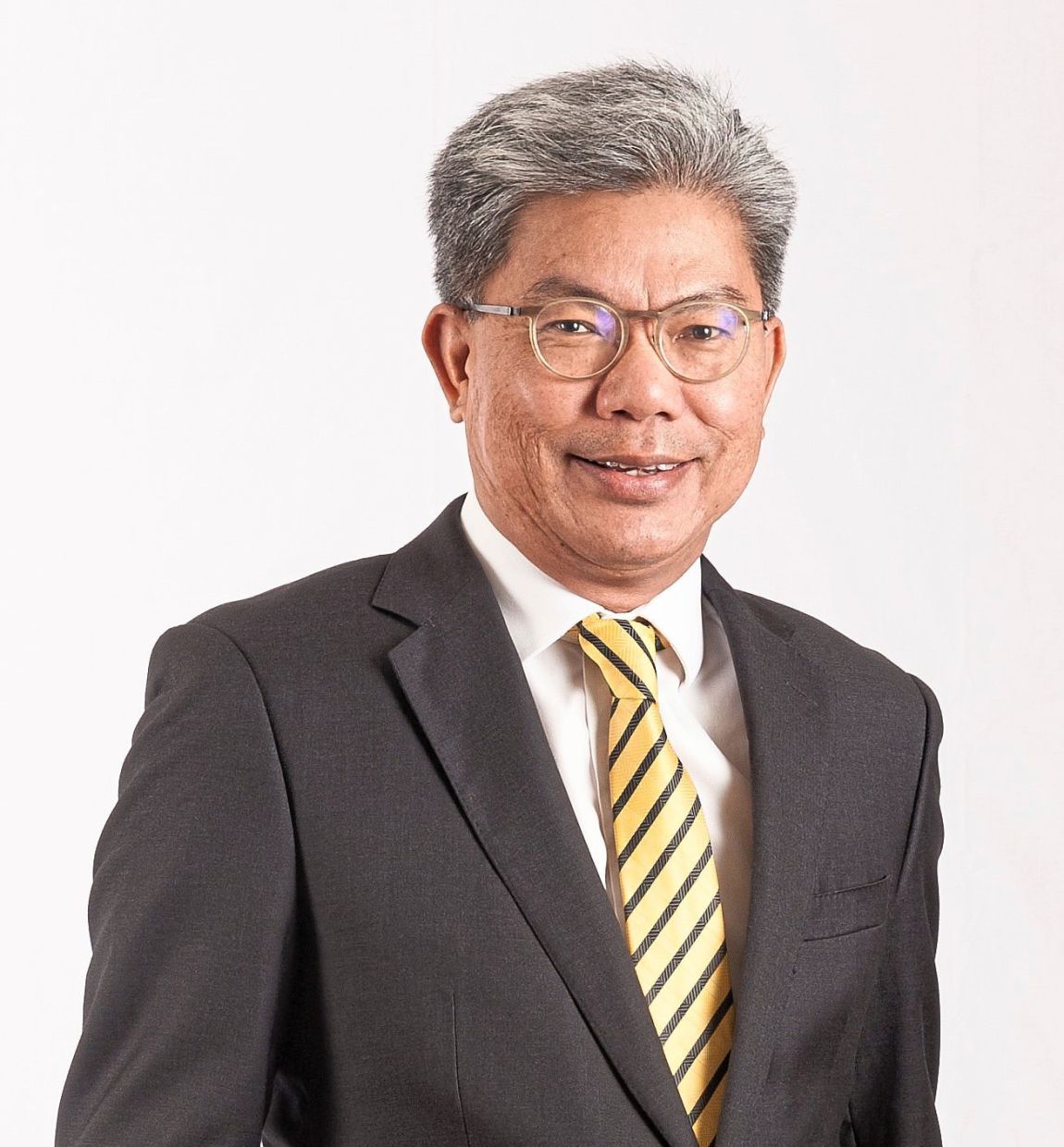
The unveiling of Budget 2026 comes at a key juncture for Malaysia — navigating global headwinds from trade tensions and tariff pressures, domestic cost-of-living pressures, and a renewed push under the 13th Malaysia Plan.
We applaud the government's broad-based approach, striking a balance between delivering investment stimulus, growth of new economic sectors and social relief while maintaining balanced fiscal discipline in which it is on track to meet the Fiscal Responsibility Act’s medium-term target budget deficit of 3% GDP.
Maybank is well positioned to help realise the Budget’s commitments, which is aligned to our four strategic pillars, which we have continued to demonstrate throughout Malaysia’s Chairmanship: Inclusive Economy, Islamic & Values-Based Economy, Social Impact, and Sustainability.
In terms of an inclusive economy, we applaud the government’s continued commitment on SME development and Entrepreneurship. On the financing side, we will do our part to collaborate with Syarikat Jaminan Pembiayaan Perniagaan Bhd (SJPP) on various new initiatives, such as export-based programmes.
We fully support the government’s direction on Cross-Border Economic Leadership, particularly on the development of the JS-SEZ, which strengthens Johor’s position as Malaysia’s strategic gateway.
As an early mover, Maybank has mobilised RM8bil in terms of financing and investments in the JS-SEZ and helped established two Single Family Offices (SFO) with 11 more in the pipeline.
With the largest banking network in Johor and partnerships with key Singapore business chambers, we are well-positioned to facilitate cross-border investments. We look forward to supporting cross-border initiatives such as the ASEAN Power Grid and also the Asian Business Entity (ABE) for the regional mobility of our workforce.
The government’s continued commitment to positioning Malaysia as a global leader in the Islamic economy, aligns with Maybank’s long-standing role in advancing Islamic finance and value-based banking by driving inclusive and ethical financial solutions that promote equitable growth, sustainability, and social impact.
On the sustainability front, the Budget remains steadfast in accelerating the nation’s net-zero aspirations, whereby various carbon-related mechanisms will be introduced. Maybank will continue to provide sustainable and transition finance solutions to address climate resiliency and decarbonisation efforts anchored on values-based financial services.
Maybank also resonates with the government’s stronger emphasis on social impact where we focus on financial inclusion and empowerment for the communities we serve across the region.
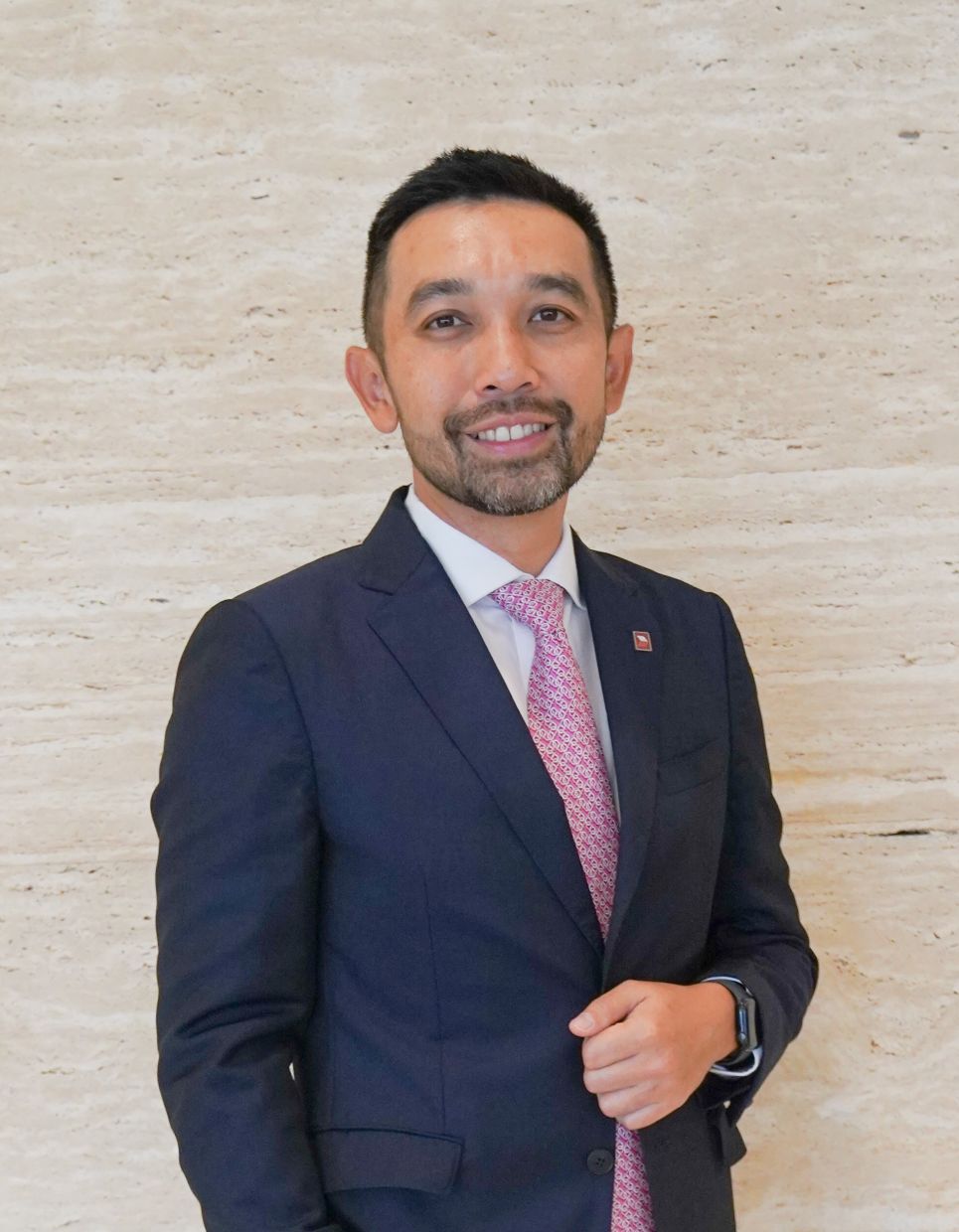
Novan Amirudin, group CEO of CIMB Group
Budget 2026, the first under the 13th Malaysia Plan, is both inclusive and people-focused, charting a course for national rejuvenation and revival, in support of the Madani Economy and the broader policy roadmaps announced today. We commend the Government’s continued commitment to fiscal discipline, with a target of reducing fiscal deficit to 3.5% in 2026, a key step towards long-term economic resilience.
The budget reflects a strong commitment to strengthening the economy, raising Malaysians’ living standards, while enhancing Malaysia’s attractiveness as a destination for investment and business.
Recognising the pivotal role of micro and small to medium enterprises (SMEs and MSMEs) in economic growth, we welcome the focus on empowering SMEs and MSMEs through expanded financing access via Skim Jaminan Pembiayaan Perniagaan Berhad and Bank Negara Malaysia facilities.
These measures will help accelerate the adoption of automation and digitalisation, areas where CIMB continues to champion through our CIMB OCTO Biz and SMEBizReady proposition, designed to support businesses scale sustainably.
As a leading Islamic finance player, CIMB also supports the Government’s emphasis on strengthening Islamic finance ecosystem. This aligns with our commitment to advancing equitable risk and profit. Initiatives such as iTEKAD exemplify our shared aspiration to foster social impact and financial inclusion for all Malaysians.
Amidst fierce global competition, we laud the Government’s bold move to championing a high value economy with the introduction of ASEAN Business Entity (ABE) to support regional expansion of Malaysian companies.
We also welcome the continued focus on Johor-Singapore Special Economic Zone (JS-SEZ), a strategic gateway that enhances the country’s regional connectivity and competitiveness. With facilitation from the Iskandar Malaysia Facilitation Centre, supported by the Johor Super Lane and Single-Family Office Incentive Scheme, this effort will continue attracting high-quality investments and talent.
CIMB remains fully committed to supporting the development of the economic zone, including through our RM10 billion financing to drive shared prosperity and strengthen investor confidence in our country.
The Government’s commitment towards sustainability and climate transition is timely and commendable. The initial rollout of a carbon tax, aligned with the National Carbon Market Policy and National Climate Change Bill, marks an important step forward.
With our aspiration to be an ASEAN sustainability leader, CIMB is dedicated to facilitating financing and capital flows that promote a just and inclusive transition to a net zero economy. Through our broad suite of sustainable finance products and services, we will continue to support corporates, SMEs, and consumers in adopting responsible practices that drive long-term resilience.
In summary, Budget 2026 strikes a balance between addressing immediate economic challenges and laying the groundwork for sustainable growth. CIMB will continue to collaborate with stakeholders across sectors and society to advance the ambitions set out in this budget, in line with our purpose. Together, we are confident that we can build an inclusive, resilient, and sustainable economy that empowers all Malaysians to thrive in a dynamic and evolving environment.
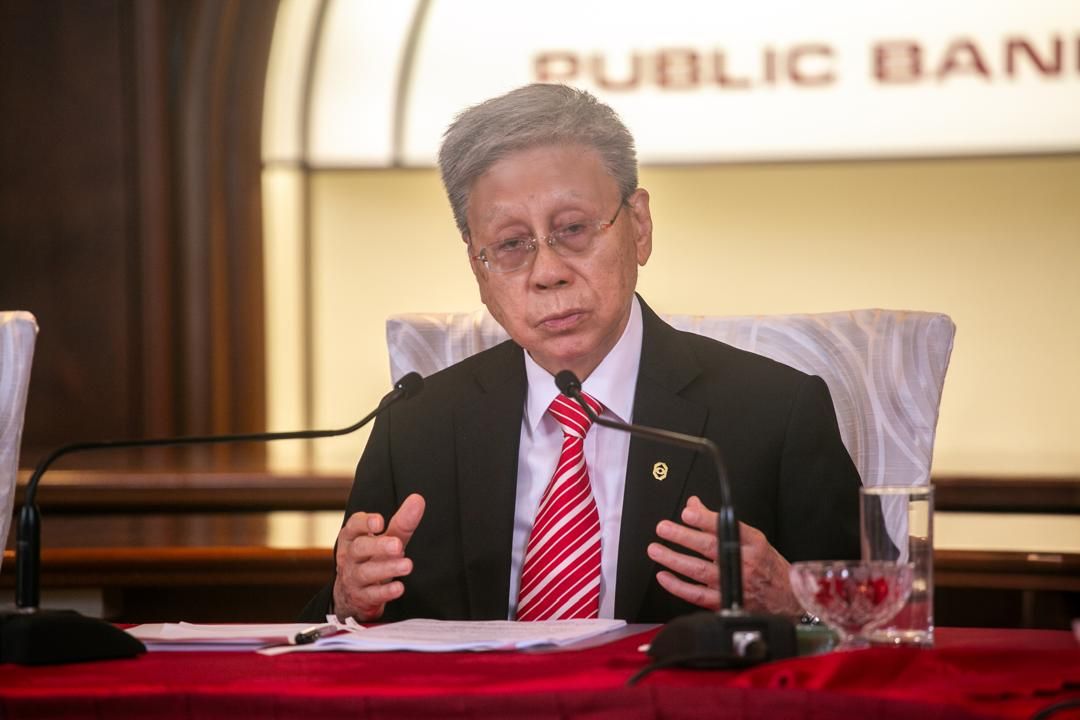
Tan Sri (Dr) Tay Ah Lek, managing director and chief executive officer of Public Bank Bhd
Budget 2026 is well planned and will further cement the government’s Ekonomi MADANI vision, and three-pronged thrust of restoring the country’s fiscal strength, enhancing the pillars of our economy and uplifting livelihoods of the Rakyat. The RM419bil expenditure bill is a strong statement of intent yet thoughtful in continuing to advance Malaysia’s growth impetus while ensuring no Malaysian is left behind. We applaud the government’s blueprint for 2026 and beyond.
Amid heightened uncertainties, the Government’s astute handling of external challenges continues to infuse confidence into the economy. Firm focus on fiscal discipline is demonstrated in the lower deficit target of 3.5% to GDP from the expected 3.8% in 2025. The Government’s resolve in balancing pressing issues like living costs and uplifting livelihoods with the need to empower businesses and improve basic public infrastructure is highly commendable.
Savings from successful subsidy reforms have accorded the Government some measure of fiscal flexibility, part of which has been reallocated to those in need. This is positive for consumer spending and domestic demand, which could be further helped by a possible increase in minimum wages to RM1,800 by 2027. Home ownership and financing availability remains a key imperative of the Government. To this end, Bank Simpanan Nasional will provide RM10bil in low-interest loans for first-home buyers.
We welcome the Government’s continuous attention on Micro, Small and Medium-sized Enterprises (MSMEs), with more than RM20bil provided in financing and guarantees. The Public Bank Group’s market-leader position in lending to MSMEs bear testament to the Group’s continued strong support for the nation’s growth engines.
Efforts on sustainability continue to be prioritised. Amongst others, the Government will allocate RM3bil to the Green Technology Financing Scheme (GTFS) to encourage private investment in solar, hydrogen, and bioenergy while Green Energy Tariffs will be expanded to enable corporate buyers to procure certified renewable electricity. We are fully engaged and stand alongside in building the legacy of today’s government for tomorrow’s environment.
Full rollout of Budget 2026, in addition to the various social and economic frameworks in recent years, will successfully strengthen domestic sources of growth while expanding household income opportunities. The Public Bank Group is weaved into the fabric of Malaysia’s successful past, and will remain fully supportive of the Government’s initiatives for an exciting and even stronger future.

Kevin Lam, group managing director and CEO of Hong Leong Bank
Hong Leong Bank (HLB) supports the government’s commitment to disciplined fiscal management as outlined in the Belanjawan 2026. This national budget, the first under the 13th Malaysia Plan, lays a solid foundation for the nation’s future under the MADANI Economy Framework, focusing on raising the ceiling of national growth, raising the floor of living standards of the rakyat, and driving reforms through strengthening good governance.
The projected real GDP growth of 4.0-4.5% for 2026 is realistic and is in line with our house view. Growth will remain supported by resilient domestic demand, most notably the private sector, which is expected to contribute 4.5ppt to overall GDP growth.
In ensuring sustainable growth amid an uncertain backdrop, the government is striking a fine balance between growth and fiscal discipline. Allocation for gross development expenditure is projected to be slightly higher at RM81bn, representing 19% of the total budget allocation of RM419bn for 2026, another fresh record high, with the remaining allocations channeled to operating expenditure. The fiscal deficit is expected to further narrow to RM75bn or 3.5% of GDP next year, from RM77bn or 3.8% of GDP in 2025, bringing us closer to the <3.0% target under the 13MP. This is certainly a move in the right direction and will be positive for Malaysia’s sovereign rating, currently stands at A- by S&P Global Ratings and A3 by Moody’s Investor Service, both with a stable outlook.
We commend the government’s continued two-pronged approach in uplifting revenue and rationalizing expenditure, the latest via the phased introduction of Medium-Term Revenue Strategy (MTRS) and Expenditure Optimisation Measures, with the ultimate aim of broadening revenue base and strengthening fiscal sustainability. Revenue-enhancing measures for 2026 include the increase in the sales tax rate from 8% to 10%, expansion in service tax scope, and improved tax compliance through e-invoicing. Meanwhile, savings from RON95 and diesel subsidy retargeting, adjustment in electricity and water tariff, as well as the removal of egg subsidies, are all expected to help with the government’s commitment to fiscal sustainability.
As a Malaysian financial institution with over 120 years of heritage, HLB is deeply committed to being a proactive partner in nation-building and economic progress, particularly by fostering private sector investment and digital transformation.
We stand ready to support the various incentives aimed at driving investment and businesses, in line with the Public-Private Partnership (PPP) Master Plan 2030, which includes a PPP financing mechanism, and initiatives to nurture SMEs to become regional champions. The GEAR-uP programme will also provide a good platform for Government-Linked Companies (GLCs) and Government-Linked Investment Companies (GLICs) to drive domestic direct investment (DDI), with RM120bn targeted DDI over 2024-2028. The implementation of new and ongoing infrastructure projects and realization of various approved investments will continue to underpin expansion in private investment and create more job opportunities.
The continuation of targeted cash assistance programmes, most notably Sumbangan Tunai Rumah (STR) and Sumbangan Asas Rahmah (Sara), are expected to help further alleviate the rising cost of living pressures, in tandem with the government’s priority of raising the floor by improving the quality of life and strengthening the social system. This should bode well for consumption and the services sector going forward. HLB will continue to do our part to complement this by offering accessible banking products to help all segments of society manage the cost of living and build long-term financial resilience.
Overall, we are confident that the Belanjawan 2026 will contribute to the long-term growth of the Malaysian economy. We look forward to actively leveraging our financial strength, digital capabilities, and deep market knowledge towards a more prosperous and inclusive future.

Datuk Mohd Rashid Mohamad, group managing director/ group CEO of RHB Banking Group
RHB welcomes Budget 2026 as a progressive and inclusive fiscal framework that reflects the Government’s commitment to sustainable growth, economic resilience and social equity. The allocation of RM419.2 billion - with RM338.2 billion for operational and RM81 billion for development expenditure, and a targeted fiscal deficit of 3.5% of GDP, demonstrates a balanced approach to fiscal consolidation and nation-building under the 13th Malaysia Plan.
We commend the Government’s continued focus on the Ekonomi MADANI framework, which prioritises the wellbeing of the rakyat while driving long term structural reforms. The rationalisation of subsidies, expected to save RM15.5 billion annually, and the reinvestment of these savings into targeted social programmes and infrastructure prudent financial stewardship and inclusive development.
As a responsible and purpose-driven financial institution, RHB is fully aligned with the national agenda to accelerate Malaysia’s transition toward a high-value, low-carbon economy. Budget 2026’s focus on ESG, digitalisation, and MSME empowerment closely aligns with PROGRESS27, RHB’s corporate strategy. In support of this transition, RHB is mobilising RM90 billion in Sustainable Financial Services by 2027 and progressing toward net-zero target by 2050, reinforcing our long-standing commitment to sustainable growth.
We also welcome the Government’s continued support for micro, small and medium enterprises (MSMEs) which are the backbone of Malaysia’s economy. Through financing guarantees, entrepreneurship incentives, digitalisation programmes, the Budget enables smaller enterprises to scale and strengthen resilience. This is further reinforced by the increase in Government guarantees under the Skim Jaminan Kredit Perumahan (SJKP) and Syarikat Jaminan Pembiayaan Perniagaan (SJPP) for home financing and business financing. These efforts are consistent with RHB’s commitment to enhancing access to financing and advisory support for growth-driven businesses.
We applaud the Government’s vision and look forward to working together to enable progress for all Malaysians and build a more resilient, equitable, and sustainable Malaysia.
Datuk Wan Razly Abdullah, president and group CEO of Affin Group
Affin Group welcomes the prudent budget of RM470 billion that was unveiled in the National Budget 2026, which includes, among others, RM338.2 billion for operating expenditure and RM81 billion for development expenditure, reflecting a strong commitment towards fostering long-term reform inclusive growth and fiscal resilience.
The Group is encouraged by Government’s commitment towards fiscal consolidation, targeting fiscal deficit to narrow steadily from 4.1% of GDP in 2024 and 3.8% of GDP in 2025 to 3.5% of GDP in 2026, with ongoing reforms in revenue enhancement and prudent expenditure management, to align fiscal strategies but ensure an adaptive approach to development projects that generate long term economic growth.
The first Budget 2026 under the Thirteenth Malaysia Plan (13MP), which will span from 2026 until 2030, focuses on sustaining economic growth and momentum, as well as strategic policies to improve the country’s economic fundamentals by strengthening fiscal resilience as well as bridging structural gaps through initiatives like the MADANI economic framework.
Despite global economic uncertainties, Malaysia’s economy remains resilient, supported by strong economic fundamentals and domestic demand-driven growth. The Government expects the country’s underlying real GDP growth to expand at a steady growth of between 4.0% and 4.5% in 2026, as compared to an estimated figure between 4.0% to 4.8% for 2025.
The Group also acknowledges the Government’s emphasis and effort into areas of investment and trade initiatives to accelerate the country’s industrial framework by attracting quality investments through streamlining approval processes, further efficiency in bureaucratic processes, realigning incentives focusing on value add and technological intensity of targeted
industries, which will support innovation while adapting digitalisation, leading to economic growth and productivity.
This will complement existing initiatives by the Government to promote trade as well as deepening ASEAN economic integration to position Malaysia as a regional hub for intra-regional trade and renewable energy trade within Southeast Asia.
As SMEs continue to be the backbone of Malaysia’s economy, we commend the Government’s efforts to further drive the growth of micro-SMEs and SMEs through targeted loan and financing facilities.
These measures are vital to fostering innovation, digital adoption, and resilience among small businesses.
Affin Group remains committed to supporting the Government’s reform agenda and stands ready to play an active role in financing sustainable growth, empowering MSMEs, while contributing to Malaysia’s journey toward a high-income, and competitive economy.

Mak Joon Nien, CEO of Standard Chartered Malaysia
Malaysia’s Budget 2026 strikes a careful balance of today and tomorrow as the country navigates rising cost of living, trade tensions and a softer global economy while investing in the right pillars to keep the country firmly on a long-term growth trajectory.
What stands out is the Government’s discipline in managing costs while keeping the rakyat in focus. Recognising the realities on the ground and the need to protect purchasing power, the BUDI95 targeted fuel subsidy supports those who need it most while easing pressure on public finances. The Government’s decision to maintain fiscal discipline, keeping deficit to about 3.5% of GDP in 2026, shows prudence while ensuring continued support for households and small businesses.
The MYR81 billion in development spending, a slight increase from 2025, demonstrates that the Government is investing in areas that will define Malaysia’s future competitiveness. The emphasis on energy transition and regional grid interconnectivity to progress towards the ASEAN Power Grid signals a future powered by sustainability and collaboration.
We are excited to work with the government and the private sector to bring the ASEAN Power Grid narrative to life, which will enhance electricity trade, particularly from clean energy sources such as hydropower, solar and wind.
Deeply rooted in ASEAN, we at Standard Chartered are encouraged by the continued progress in cross-border investment zones. For the first half of 2025, JS-SEZ recorded approved investments of MYR56 billion and is on track to meet its MYR100 billion target by end-2025, building investor confidence as the region’s strategic gateway.
The Government’s allocation of RM5.9 billion for Research, Development, Commercialisation and Innovation (RDCI), alongside the RM53 million Malaysia Digital Acceleration Grant to accelerate blockchain adoption reflect a strong commitment to building a future-ready economy.
As a Bank that is at the forefront of digital banking, we see digital assets as an important part of the future of financial services and are committed to investing in the infrastructure and talent necessary to be a leader in this space.
Malaysia’s move to mobilise state-owned enterprises or GLICs to help drive public spending by over MYR50 billion is a brilliant move to reduce direct outlay.
The country’s GLICs will raise domestic investments under the GEAR-uP initiative to MYR30 billion for the energy transition, food security and digital economy industries. The additional financial firepower is on top of the government’s planned direct expenditure totalling MYR419.2 billion planned for next year.
At Standard Chartered, we see Malaysia’s story as part of our own. For 150 years, we’ve grown alongside the nation and we’re confident that Budget 2026 lays a strong foundation for Malaysia, which is well-positioned to achieve 4.0% to 4.5% growth in 2026.

Ng Wei Wei, CEO of UOB Malaysia
Budget 2026 reflects a strategic and balanced approach to advancing Malaysia’s economic transformation under the MADANI framework. Its alignment with the 13th Malaysia Plan and focus on high-value, high-growth investments marks a shift towards quality-driven development, essential for achieving high-income status by 2030.
We welcome targeted incentives for sectors such as semiconductors, advanced technology, pharmaceuticals and green innovation. These will strengthen supply chains, create high-income jobs and attract quality investments. Strategic economic corridors like the Northern Corridor, Selangor’s connectivity and infrastructure, the Johor-Singapore Special Economic Zone (JS-SEZ), and Sarawak’s renewable energy hub are key to unlocking regional growth.
Fiscal reforms and the projected narrowing of the deficit to 3.5 per cent of GDP in 2026 reflect sound stewardship. Measures such as carbon pricing, green energy tariffs, and support for exporters through the carbon border adjustment readiness fund are positive steps toward a sustainable energy transition.
We also applaud efforts to strengthen the semiconductor ecosystem through joint ventures, co-investments by government-linked investment companies, incubator programmes and targeted financing. These initiatives will deepen Malaysia’s role in the global semiconductor value chain.
Support for SMEs remains vital, with RM50 billion allocated for financing, guarantees and programmes for digitalisation and green investment. UOB Malaysia remains committed to enabling SME growth and driving inclusive, sustainable progress.

Tan Chor Sen, CEO of OCBC Bank (Malaysia) Bhd
OCBC Malaysia, comprising OCBC Bank (Malaysia) Berhad (OCBC Bank) and our Islamic banking subsidiary OCBC Al-Amin Bank Berhad (OCBC Al-Amin) welcomes the MADANI Budget 2026 and commends the government’s bold and reform-driven approach to building a resilient, inclusive, and future-ready economy.
The Budget’s emphasis on fiscal discipline, institutional reform, and good governance, through initiatives such as the Fiscal Responsibility Act and the proposed Government Procurement Act, will strengthen investor confidence and lay the foundation for a more transparent and accountable financial ecosystem.
We also laud the Madani Government’s continued prioritisation of high-growth strategic sectors, including semiconductors, energy transition, and digital innovation. It is a clear commitment to position Malaysia as a regional leader in advanced industries.
We welcome the government’s bold vision for cross-border economic leadership, particularly through initiatives like the Johor-Singapore Special Economic Zone (JS-SEZ), the ASEAN Power Grid, and the newly introduced ASEAN Business Entity (ABE) status. These efforts not only reinforce Malaysia’s strategic role but also unlock ASEAN’s potential as a connected and collaborative growth region.
By enhancing infrastructure, trade flows, talent mobility, and energy cooperation, Malaysia is paving the way for deeper regional integration. With OCBC Bank’s strong presence and connectivity across ASEAN and Greater China, we are well-positioned to support businesses seeking to expand across borders and we will continue to actively support the development and success of the JS-SEZ.
The introduction of green financing schemes, the upcoming Carbon Tax, and support for AI innovation align closely with our priorities at OCBC Malaysia. We actively advocate AI adoption among our staff and remain committed to advancing ESG-aligned investments.
We are pleased to see continued support for SMEs, including RM50 billion in financing and guarantees, and targeted programmes for women and Bumiputera entrepreneurs. Through initiatives like our OCBC Women Unlimited SME programme, we are proud to contribute to empowering local businesses and expanding access to responsible financing.
As a financial institution with over 90 years of presence in Malaysia, we look forward to collaborating with the government and stakeholders to help drive meaningful economic outcomes for Malaysia – for now and beyond.