TAGBILARAN CITY, Bohol: Before heading home after paying tribute to their departed loved ones on All Saints’ Day, some cemetery visitors in Barangay Taloto here make one final stop: passing through a cloud of smoke believed to drive away evil spirits and negative energy.
The practice, known as “palina,” remains an enduring tradition among some Boholanos who believe that spirits or bad energy from the cemetery could follow them home.
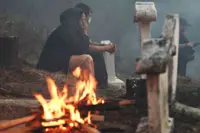
At the entrance of the Immaculate Heart of Mary Parish Cemetery on Sunday, visitors took turns passing through smoke produced by burning dried leaves and twigs before leaving the cemetery.
Among those who observed the ritual was 46-year-old Mon Caballero, who said he learned the practice from his parents when he was still a child.
“I think it’s effective in warding off evil spirits,” Caballero said in Cebuano.
After Caballero’s turn, another family stopped to undergo the same ritual before making their way home.
Palina is a traditional form of smoke cleansing in which people expose themselves to smoke from burning dried leaves, twigs or other plant materials. Some also recite prayers or “oracion” while performing the ritual.
The practice is commonly observed after visiting cemeteries during All Saints’ Day and All Souls’ Day, as well as after attending funerals. In some households, family members burn dried leaves or twigs and allow the smoke to pass over them before entering their homes.
While its exact origins remain uncertain, the tradition has endured through generations, blending folk beliefs, spiritual protection and cultural identity. For many, it also provides psychological comfort after spending time among the graves of the dead.
The use of smoke for cleansing and protection is not unique to the Philippines, as similar practices involving burning herbs, branches and resins have long been observed in different cultures.
However, not all cemeteries allow the practice.
At Victoria Memorial Park, there is no designated area for palina. Cemetery management discourages visitors from burning dried leaves and twigs within the grounds to prevent fire hazards and maintain public safety.
Despite changing times and differing cemetery policies, palina continues to be observed by some families, reflecting how old beliefs and customs remain part of the way Filipinos remember and honour their departed loved ones.
For those who practice it, the visit to the cemetery is not quite complete until they have passed through the smoke, leaving behind whatever they believe should not follow them home. - Philippine Daily Inquirer/ANN