
Longer-term vision and policies with continuity mapped out in Hong Kong’s inaugural five-year plan, along with the latest policy blueprint, offer investment opportunities and greater stability for investors, according to experts and commentators.
Hong Kong marked a historic milestone on Wednesday when Chief Executive John Lee Ka-chiu rolled out the city’s first five-year development plan with his fifth policy address to align with China’s long-term national strategy.
The explicit directions Lee set for Hong Kong in terms of economic and social development are seen as ensuring policy continuity even if there are changes in government leadership. This is Lee’s final policy address of his current five-year term as chief executive.
“It is an important start,” Our Hong Kong Foundation vice-president Kenny Shui Chi-wai said.
“For the first time, the message is clear on the purposes of the two documents. The five-year plan provides mid- to long-term vision with indicators, and the policy address stipulates how to attain the goals.”
The 22 indicators in the five-year plan include five binding and 17 anticipatory goals, which will be covered in Lee’s annual work report to Chinese President Xi Jinping.
In the 60,000-word five-year plan running to 2030, Lee spelled out the city’s core positioning under the “four centres, one hub” concept, which refers to Hong Kong as a financial, maritime, aviation and trade centre, as well as a high-calibre talent hub.
The policy address, at over 40,000 words, offers five major development opportunities spanning talent, industry, business investment, institutional safeguards and international cooperation.
This is in addition to 25 key livelihood initiatives ranging from youth development, housing and healthcare to artificial intelligence and education.
“Many of the developments mean investment opportunities, for example, the Northern Metropolis project,” Hong Kong General Chamber of Commerce CEO Patrick Yeung Wai-tim said.
“This time, it gives investors more confidence because previously, the policies on the Northern Metropolis were less organised.”
The centrepiece of development will be the 30,000-hectare Northern Metropolis, a business, education and housing megaproject near the border with Shenzhen. It will serve the important strategic goals of promoting high-standard tertiary education via a university town, innovation and technology, industrial development and talent aggregation, aligning with the national five-year plan.
The megaproject is subject to a binding target of raising “spade-ready sites” from 120 to 900 hectares by 2030.
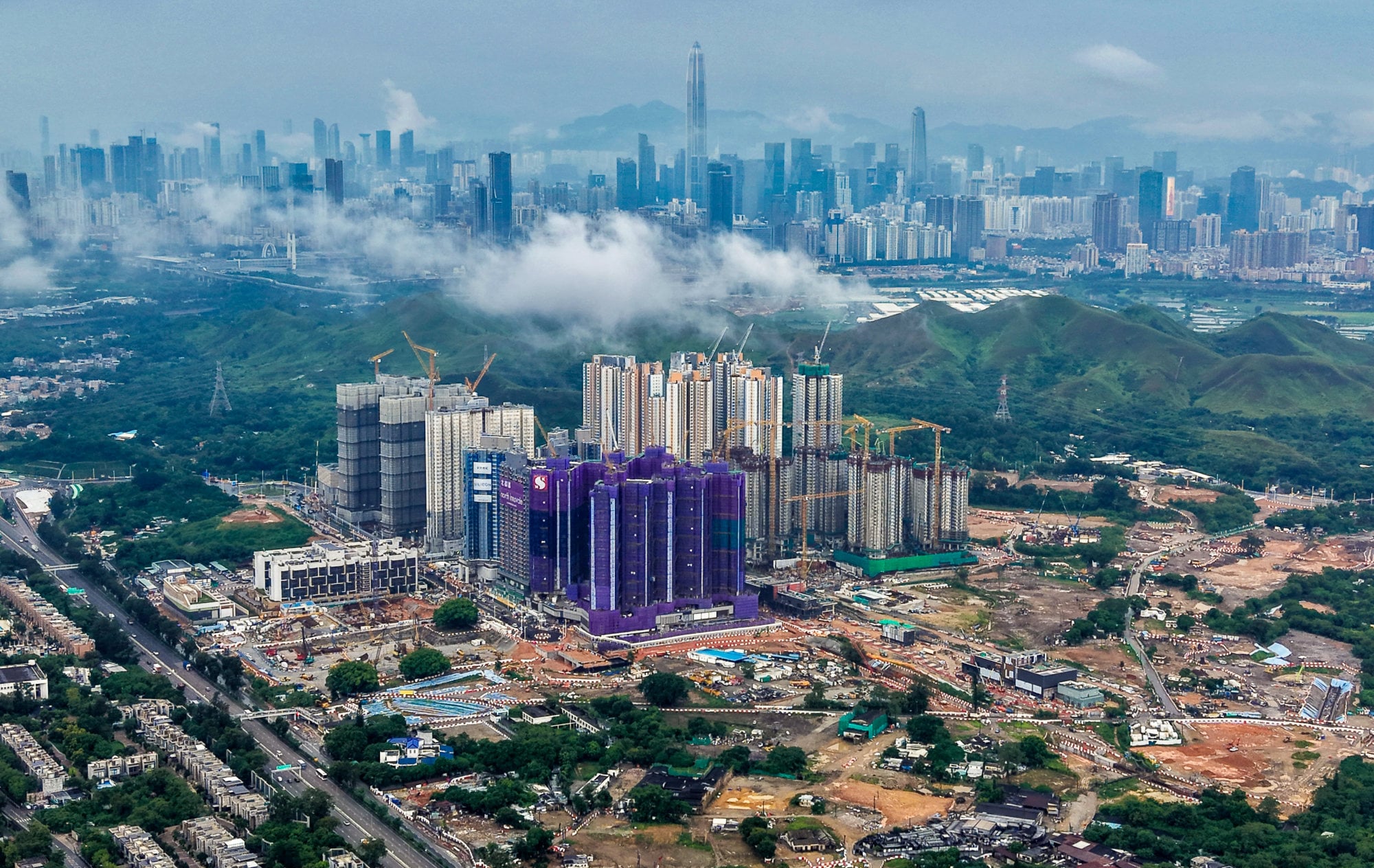
Other anticipatory goals include increasing the number of completed homes in the Northern Metropolis to 70,000 from the current 11,000, hitting an average annual increase of 4 to 5 per cent in the number of companies in Hong Kong with parent firms located outside the city, and boosting the value-add of the tourism industry to HK$126 billion (US$16.1 billion) from HK$86.2 billion during the five-year period.
Hannah Jeong, head of valuation and advisory services with CBRE Hong Kong, said the five-year plan offered the Northern Metropolis “its clearest and most actionable” timeline yet.
“The next chapter will be defined not by planning ambition but by execution discipline: whether the commercial frameworks attract real capital, whether the transport milestones hold, and whether the talent the university towns are designed to attract actually chooses to live and work in the Northern Metropolis,” she said.
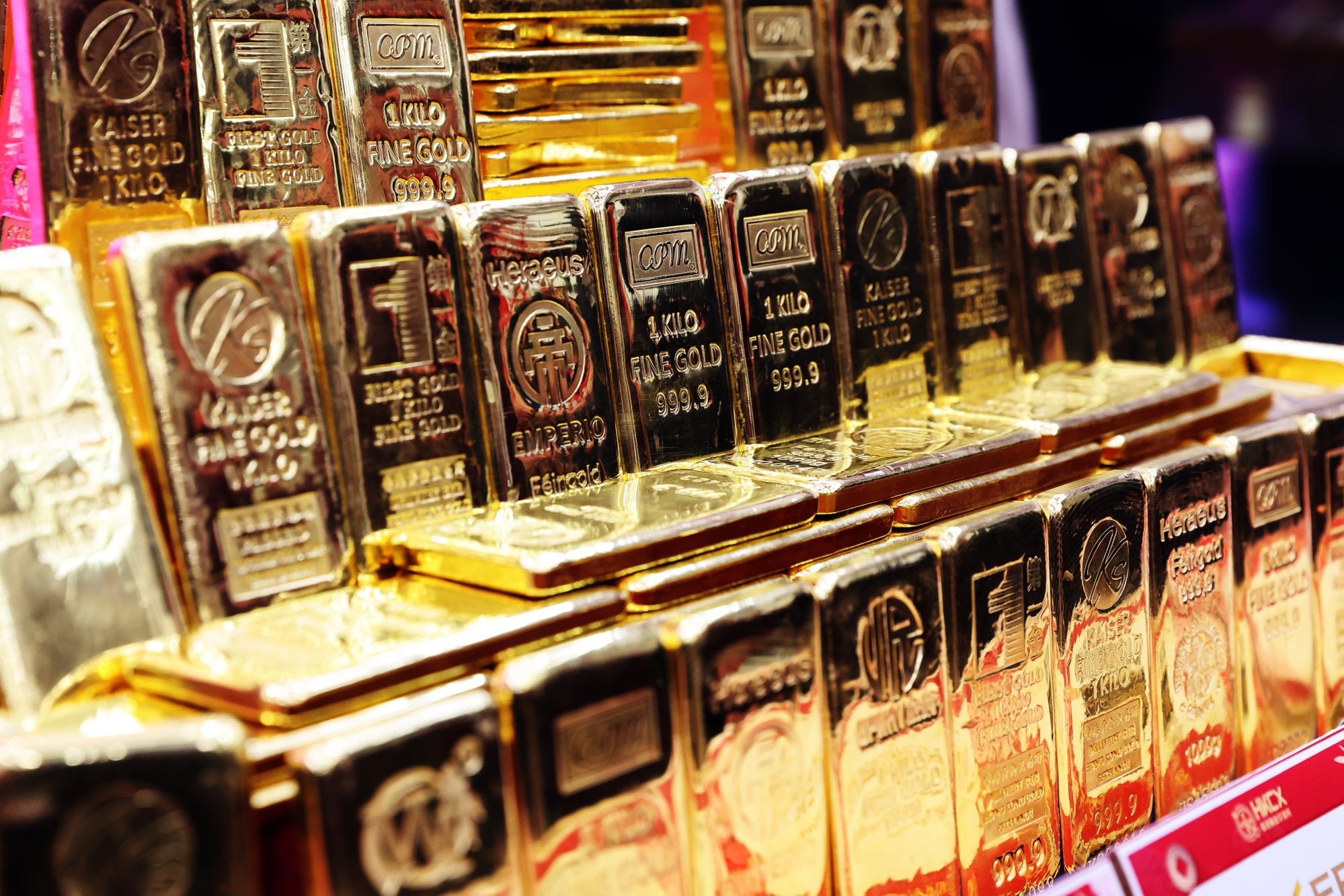
Lee’s call to expedite the building of an international gold trading market and the city’s offshore renminbi businesses, developing an international asset and wealth management centre and risk management centre, enhancing the securities market and expanding fixed-income and commodity trading, also presents greater opportunities to local and foreign investors.
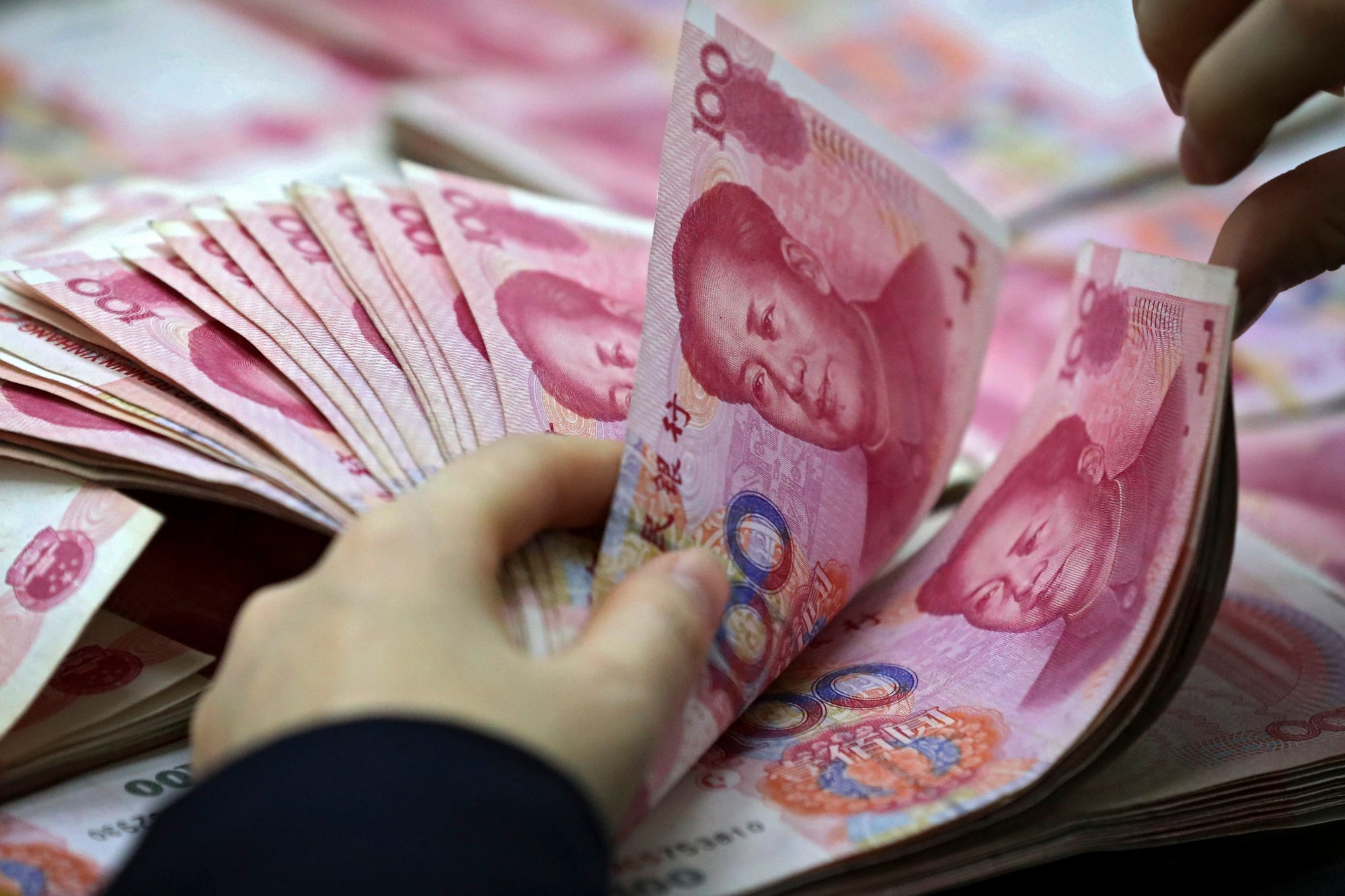
Billy Mak Sui-choi, an associate professor at Baptist University’s accountancy, economics and finance department, pointed to the five-year plan’s emphasis on yuan globalisation, saying it would create synergies with the annual policy and drive the gold trade while consolidating the city’s status as a foreign exchange hub.
“The current problem with offshore renminbi is that its functions are too limited, and the policy address makes it clear that Hong Kong will expand the sales, valuation and clearance of renminbi-denominated assets in the city,” he said.
“When this is promoted, it will help Hong Kong with its foreign exchange business.”
Hong Kong is China’s largest offshore yuan business hub, with 1.1 trillion yuan in offshore deposits as of June and handling more than 70 per cent of all global offshore yuan payments, according to official statistics.
According to Mak, the yuan push went hand in hand with Hong Kong’s vision to build a commodities ecosystem, especially with measures to expand gold trading in the city, as backing renminbi-denominated assets with gold bullion stored in Hong Kong would offer more assurance to investors.
“If Hong Kong, as an offshore renminbi centre, is to further develop the offshore renminbi market, it needs gold to serve as a backup,” he said. “Putting the two together is just the right fit.”
Andrew Gaw, managing director of trader Solid Gold Investments, said the precious metal was a hot asset and gold trading was crucial to the city’s strength as a global financial centre.
“Many investors are sceptical about the US dollar and want to diversify into gold to hedge investment risks,” he said.
“China is a huge market, which means huge opportunities for Hong Kong, so what the government should do is to bring the two markets even closer.”
However, Hong Kong is facing strong competition from markets such as London and Singapore in the gold business.
Gold prices jumped about 17 per cent over the past year to HK$34,099 per ounce on Wednesday.
Yeung of the chamber said gold trading also served to strengthen the financial security of the city and even the country amid intensifying Sino-US rivalry.
“Hong Kong has built a solid foundation in its standing as an international financial centre, which has become an alternative market for gold investors and risk management,” he said.
In February, US Treasury Secretary Scott Bessent vowed to scrutinise more closely Beijing’s use of Hong Kong for sandbox experiments in gold-backed digital assets that could rival the US dollar.
Shui of the think tank said the Hong Kong Monetary Authority’s plan to introduce a tendering mechanism for seven-day offshore renminbi liquidity and explore issuing short-term debt instruments was among the investor-friendly measures to boost the currency’s liquidity.
He pointed out that government safeguards and initiatives such as building a global capital of mediation and combating the use of artificial intelligence in criminal activities would offer protection to investors.
“In light of the controversies surrounding AI developers like Anthropic and DeepSeek, the AI initiative will at least offer some legal protection, like what the EU and South Korea are offering,” Shui said.
The European Union and South Korea heavily penalise perpetrators of scams using AI.
Yeung of the chamber said the series of investment opportunities, particularly in the Northern Metropolis, would drive the city’s economic growth in coming years, benefitting livelihoods.
“What we will see is a major transformation in Hong Kong,” he said. “The city has to grasp this critical window of opportunity, even though the Northern Metropolis development is very much like crossing the river by feeling the stones.” -- SOUTH CHINA MORNING POST