




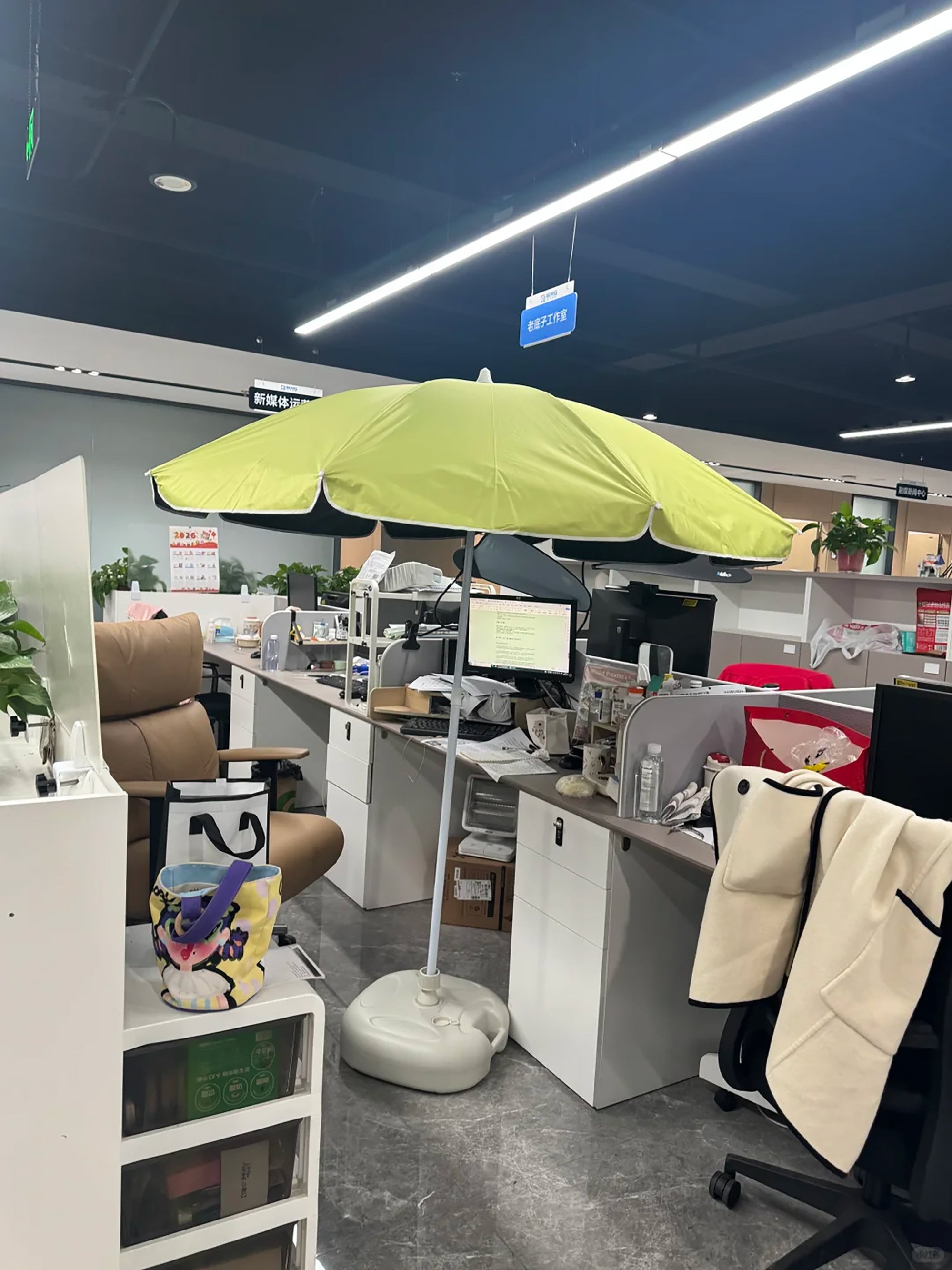
A growing number of Chinese workers are sharing tips on social media to combat “office ageing.” Suggestions range from applying sunscreen and using full-face masks to setting up parasols at their desks.
Recently, a RedNote user with the handle @lelehangmu from Jiangsu province in eastern China shared that just one month into his job, his complexion had noticeably darkened, and his eyes frequently felt strained. The post quickly resonated with others.
Another user reported that she appeared significantly fairer after taking time off, while a third expressed frustration over persistent second-hand smoke in shared office spaces.
In response, some workers have started erecting parasols at their desks, donning sun hats or face coverings, and generously applying sunscreen to their faces and arms.
Lighting designer Yoki informed a mainland media outlet that offices often favour cool-toned lighting to keep workers alert, with the hope that this will enhance productivity.
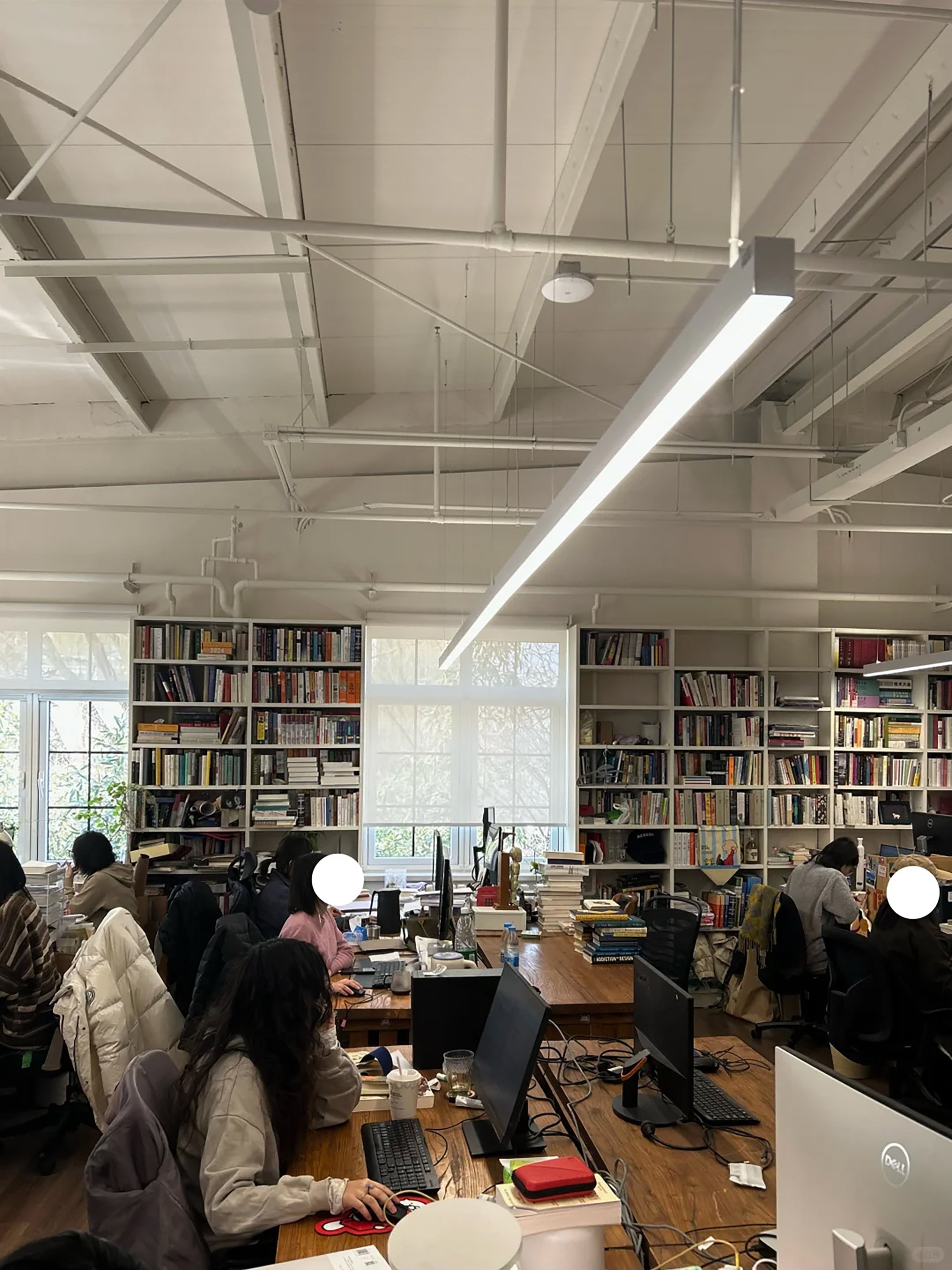
However, lighting is just one aspect of a larger problem concerning the office environment.
Dry air, dust-laden ventilation systems, and elevated carbon dioxide levels can exacerbate the physical discomfort and mental fatigue associated with long hours in the workplace.
In the 1980s, the World Health Organization introduced the term “sick building syndrome” to describe a range of symptoms linked to time spent in certain buildings, even when no specific illness could be diagnosed.
These symptoms include headaches, nasal congestion, dry skin, throat irritation, fatigue, and poor concentration, often worsening with prolonged exposure and subsiding once individuals leave the premises.
The syndrome emerged alongside changes in modern architecture and energy conservation initiatives. To reduce heating and cooling costs, many buildings became increasingly airtight, inadvertently limiting the flow of fresh air indoors.
In a 2008 study, Indian social medicine scholar Sumedha Joshi connected sick building syndrome to decreased productivity and higher absentee rates, recommending improved ventilation, regular breaks, and strategies to alleviate workplace stress.
On social media, concern about the office environment has expanded from health to appearance.
A TikTok trend highlights the contrast between photos taken at the beginning of the workday and those snapped several hours later: polished make-up and bright eyes in the morning give way to greasy hair, dull skin, and facial puffiness by evening.
Chinese internet users have also attributed prolonged sitting to forward-leaning necks and rounded shoulders, while others humorously note that habitual frowning while working has etched “thinking lines” into their faces.
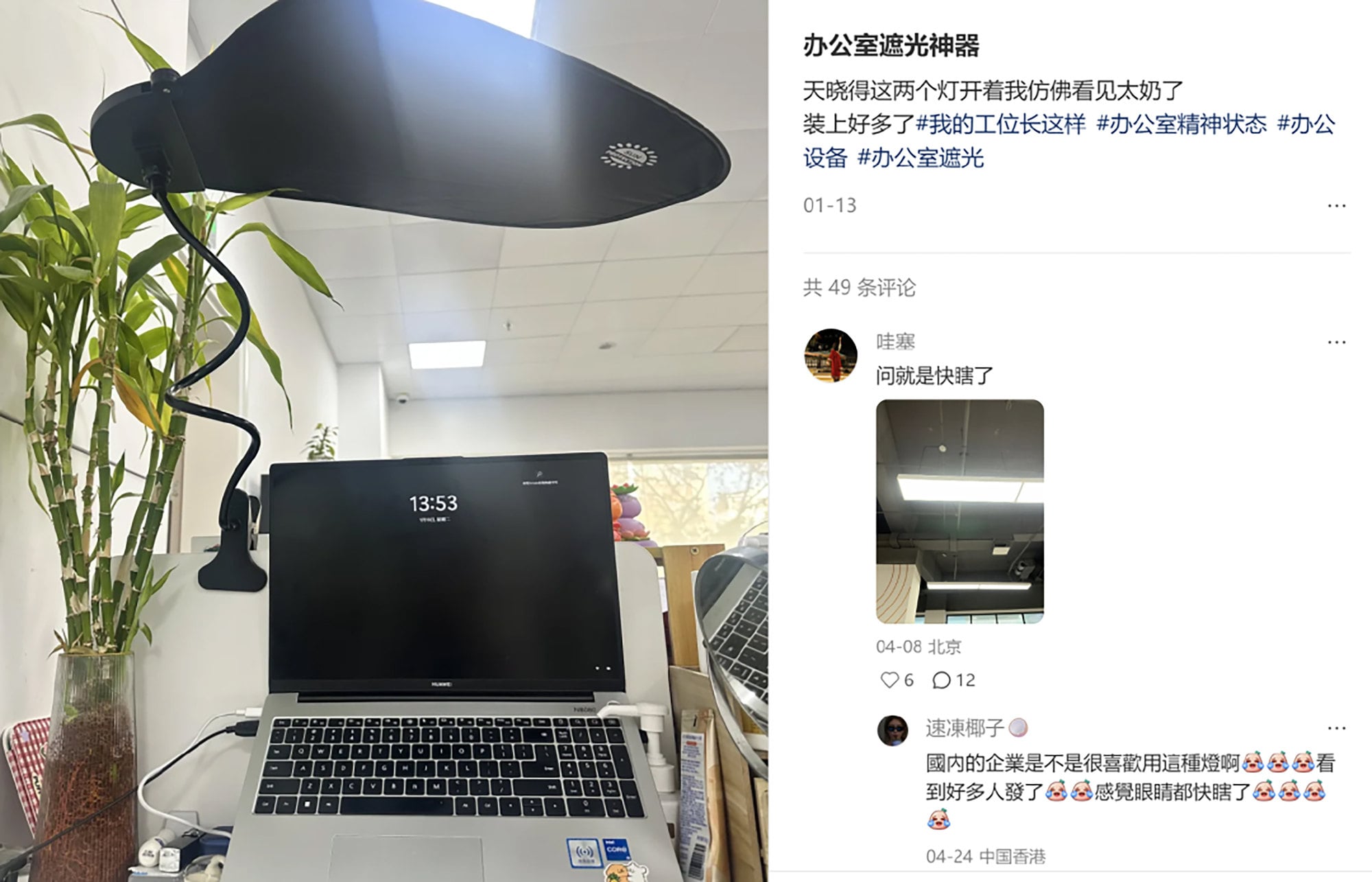
One netizen posed the question: “I age in the office every day. The company pays for my labour, but who will cover my beauty and health?”
In China, some workers are creating their own forms of workplace self-care, turning empty milk-tea cups into makeshift humidifiers or keeping unconventional desk “pets,” such as rocks and mango pits, which they caress or pat to relieve anxiety.
Beneath these coping strategies lies a deeper concern regarding working conditions and excessively long hours.
As of May, the average working hours per week in China reportedly hovered around 48.2 hours, exceeding the statutory 44-hour limit.
As one online observer aptly noted: “A good office is not a perk but a basic right. People should shape the workplace, not be reduced to cogs in cubicles.” -- SOUTH CHINA MORNING POST


