
China’s deliberation on its sweeping cross-border anti-corruption law may ripple through Hong Kong’s financial and property markets, as Beijing seeks harsher punishments for corrupt officials and broadens its scrutiny of the massive pool of wealth transferred overseas.
Hong Kong remains in focus after the draft law was submitted on Tuesday to the standing committee of the national legislature for deliberation, analysts said.
The law was “designed to give mainland authorities a clearer statutory basis for pursuing corruption cases with an overseas element, strengthening international cooperation and supporting the recovery of illicit assets held abroad”, said Karen Cheung, a partner at law firm HFW.
“High-value assets, including luxury goods and prime property, together with complex corporate and trust structures, may come under closer scrutiny where they become relevant to mainland corruption investigations,” she said.
For decades, Hong Kong has drawn affluent Chinese wanting to build up their wealth through stock listings or asset acquisitions, with the city’s equity, property and even luxury-goods markets prospering on the inflow of mainland funds.
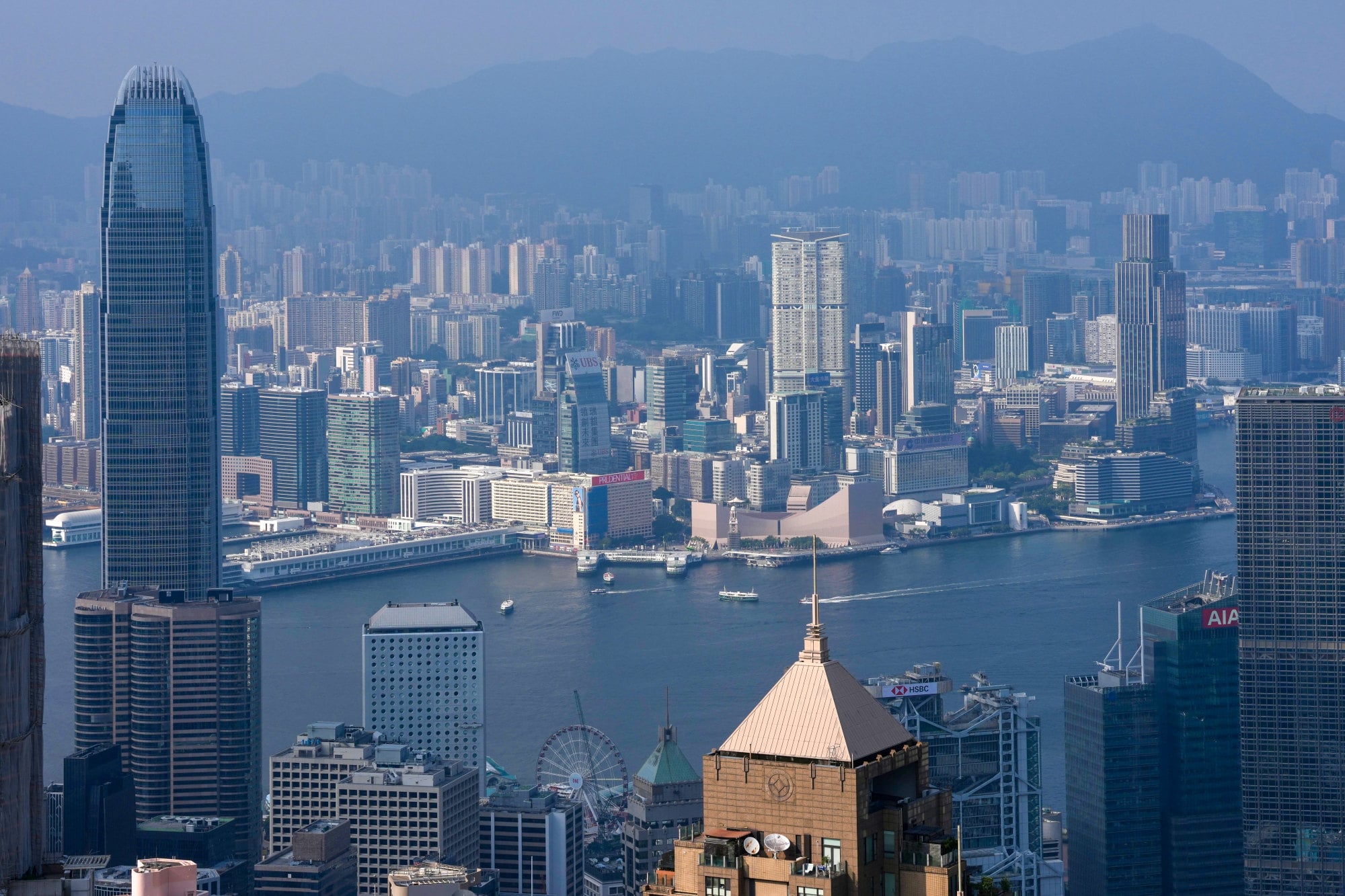
The city was also home to branches of major Chinese financial institutions, state-owned industrial giants and private firms eyeing global expansion.
Hong Kong’s financial resilience may now face a test as Chinese President Xi Jinping escalates his campaign to fight corruption within the ruling Communist Party.
The unprecedented cross-border anti-corruption law comes on the heels of a tax crackdown on offshore trusts and insurance policies, a move that triggered a plunge in shares of insurer AIA Group on concerns over shrinking demand from mainland investors.
State media said the new law would improve the government’s ability to crack down on corruption overseas and fortify the “toolkit” used to retrieve illegal assets and deal with cases related to cross-border corruption.
China handed down punishments to 983,000 officials for corruption last year, with the number of penalized senior officials three times that of 2013, according to data compiled by the South China Morning Post. The financial sector has become a focus of the crackdown as top leaders place great emphasis on the importance of capital markets in the nation’s technology self-reliance drive.
Yi Huiman, former chairman of the China Securities Regulatory Commission (CSRC), was investigated for disciplinary breaches in September last year and later removed from Party membership and his public post.
In July, former CSRC vice-chairman Fang Xinghai, seen as a reform-minded official who liaised between the regulators and foreign investors, was also put under investigation.
For Hong Kong, the repercussions of the law enforcement could be far-reaching, with mainland capital holding sway over the city’s pillar industries. The recovery in the local property market largely hinged on mainland Chinese buyers, who accounted for as much as 33 per cent of transaction values for residential homes, according to an estimate by UBS Group. Meanwhile, the boom in initial public offerings (IPOs) was driven by Chinese companies seeking to tap foreign capital.
Hong Kong’s home prices rose an average of 7.9 per cent in the first half, the biggest increase for the six-month period since 2019. Separately, IPO proceeds in the same period surged 84 per cent from a year ago to US$26.4 billion, ranking only behind the Nasdaq that absorbed the mega listing of SpaceX.
“Wealthy mainland buyers tend to become more cautious whenever Beijing widens the enforcement spotlight around offshore money,” said Stephen Innes, a managing partner at SPI Asset Management.
“That could mean slower decisions on luxury property and less conspicuous spending on watches, jewellery and other high-end goods. Markets often react to the fear of scrutiny well before the rules are actually tested.”
The new law, coupled with China’s intensified oversight of offshore assets, comes against the backdrop of accelerating capital outflows, increasing fiscal stress and growing funding needs for the tech industry.
At the same time, Chinese capital drove offshore wealth in Hong Kong to an all-time high of US$2.9 trillion last year, overtaking Switzerland as the world’s largest such hub, according to Boston Consulting Group.
“These developments point to a shift towards stronger tax compliance and regulatory oversight of offshore wealth and cross-border capital, rather than a reversal of China’s broader opening-up agenda,” Barclays said in a report on Tuesday.
“The objective appears to be better monitoring and management of cross-border financial activities while continuing to support strategically important outbound investment.” -- SOUTH CHINA MORNING POST