Beijing’s study of the wars in Iran and Ukraine could sharpen its ability to wage information warfare against Americans during a Taiwan Strait conflict, exposing vulnerabilities in US preparedness, experts said on Wednesday.
S. Clinton Hinote, a retired US Lieutenant General, said he was “impressed” with the propaganda coming out of Iran since the outbreak of the war in February, warning that Beijing would deploy similar tactics if conflict erupts over Taiwan.
“That’s coming,” he told a discussion in Washington hosted by the Special Competitive Studies Project think tank.
“There’s this struggle for what is true, what is right, and it seems like there’s so much disinformation out there right now. I worry a lot that as a people, we, being the United States, aren’t very hardened ... for what’s coming.”
Beijing sees Taiwan as part of China to be reunited by force if necessary. Most countries, including the US, do not recognise Taiwan as an independent state, but Washington is opposed to any attempt to take the self-ruled island by force and is committed to supplying it with weapons.
Hinote, who was formerly the Deputy Chief of Staff for Air Force Futures responsible for strategy and force design, said Beijing could potentially weaponise things like social media, which run largely free and unregulated in the US.
“You may see nothing yet ... [but] expect it. China is ready to unleash that on Taiwan, and I believe a lot of that is being done now against Australia, against Japan, and especially against our citizens,” he said.
China unleashed a sweeping disinformation campaign against Japan after Prime Minister Sanae Takaichi’s remarks on Taiwan last year, with state media and nationalist entities framing her as a militaristic right-winger bent on upending the status quo.
In one cartoon widely shared on Chinese social media, Takaichi was depicted in a World War II Japanese military uniform, a deliberate echo of Japan’s wartime aggression.
Ely Ratner, the former Assistant Secretary of Defence for Indo-Pacific Security Affairs, told the same discussion that Beijing – having watched the drawn-out wars in Ukraine and Iran – would seek to take Taiwan without firing a shot, pivoting towards “not only cognitive warfare, but potentially higher level grey zone activities”.
Hinote was blunt about the lessons Beijing was drawing from the wars in Iran and Ukraine. China, he said, was likely “truly impressed with the speed and the precision that you’re seeing out of military forces”.
But Beijing was also watching how the Iran war had depleted US munitions stockpiles, “especially those that [it] would need to use in a Taiwan scenario”.
Ratner said Beijing “studies these conflicts very, very closely”, gleaning lessons not just at the operational level but also at the strategic and political levels.
The Ukraine war, in particular, he said, showed China how Washington mobilised international support, both diplomatically and economically.
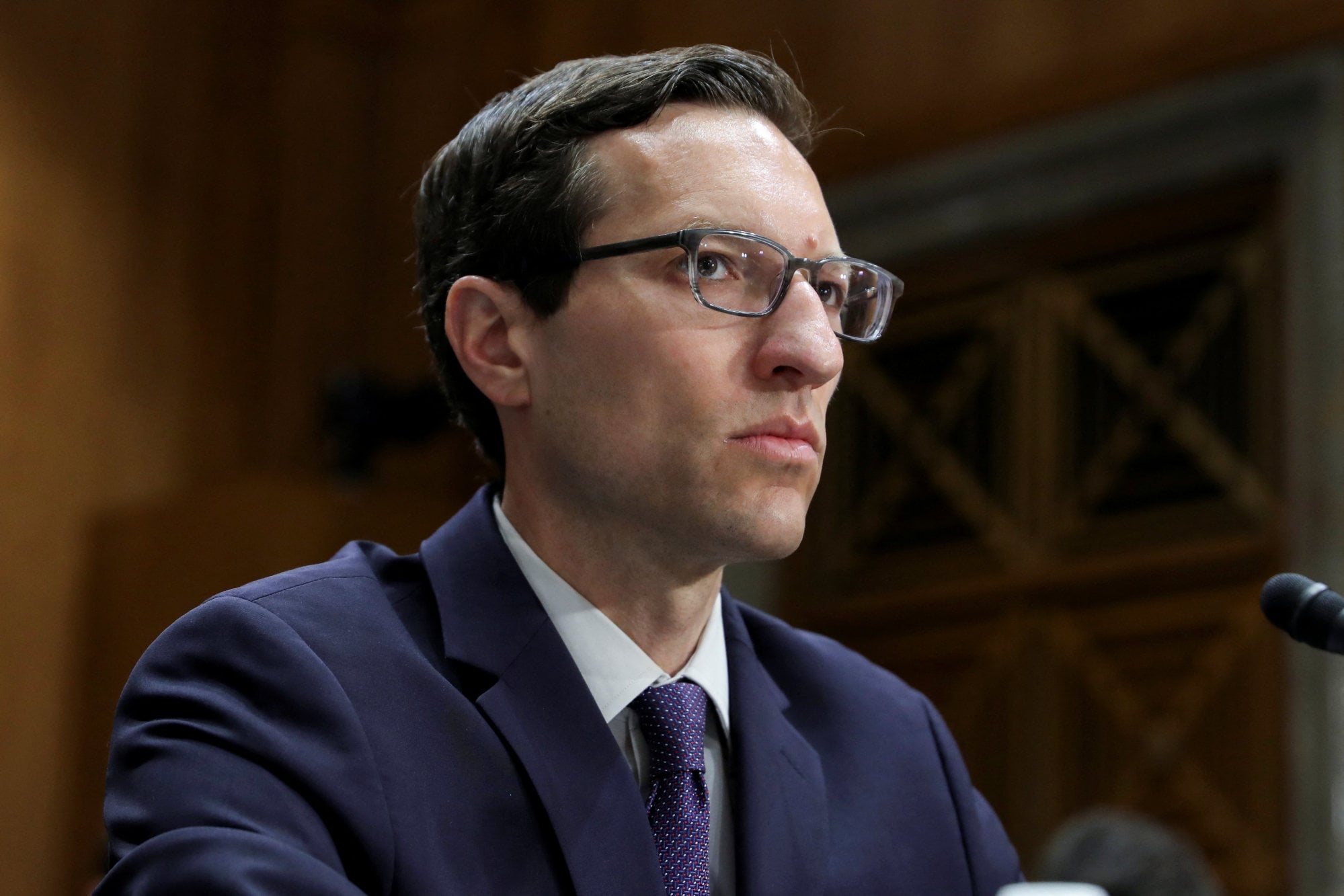
Yet the experts stopped short of calling war in the Taiwan Strait inevitable. Hinote, who has taken part in war-gaming Taiwan scenarios, said the simulations pointed to the same conclusion: “There would be no winners if the PRC tried to forcefully reunify with Taiwan.”
“My hope is that we see the cost and the cost would be real and high. [That] they see the cost as well, and cooler heads prevail when we inevitably come into contact,” he said.
Taiwan is set to be on the agenda when US President Donald Trump visits China next week. Secretary of State Marco Rubio said on Tuesday the issue would come up when Trump meets Xi Jinping, adding that “the Chinese understand our position ... we understand theirs.”
“I think both countries understand that it is in neither one of our interests to see anything destabilising happen in that part of the world,” he said. -- SOUTH CHINA MORNING POST