Traffic accidents involving animals in Hong Kong have surged more than 11-fold over the past four years, with advocacy groups attributing it to a wave of pet abandonments and the blurring of urban-rural boundaries caused by large-scale development.
The latest data submitted to the Legislative Council on Wednesday showed reports of animal-related traffic accidents received by police surged from 36 cases in 2021 to 416 in 2025.
However, authorities do not maintain a district-level breakdown of the figures.
Kent Luk Ka-chit, the founder of Paws Guardian Rescue Shelter, said the increase in animals involved in traffic accidents stemmed from the worsening economic situation and urban growth.
“Land resumption for new development, particularly in the Kwu Tung area, combined with the economic downturn, has led to a rise in abandoned pets,” he said.
“This surge in the stray population has, in turn, driven up the number of traffic incidents involving animals.”
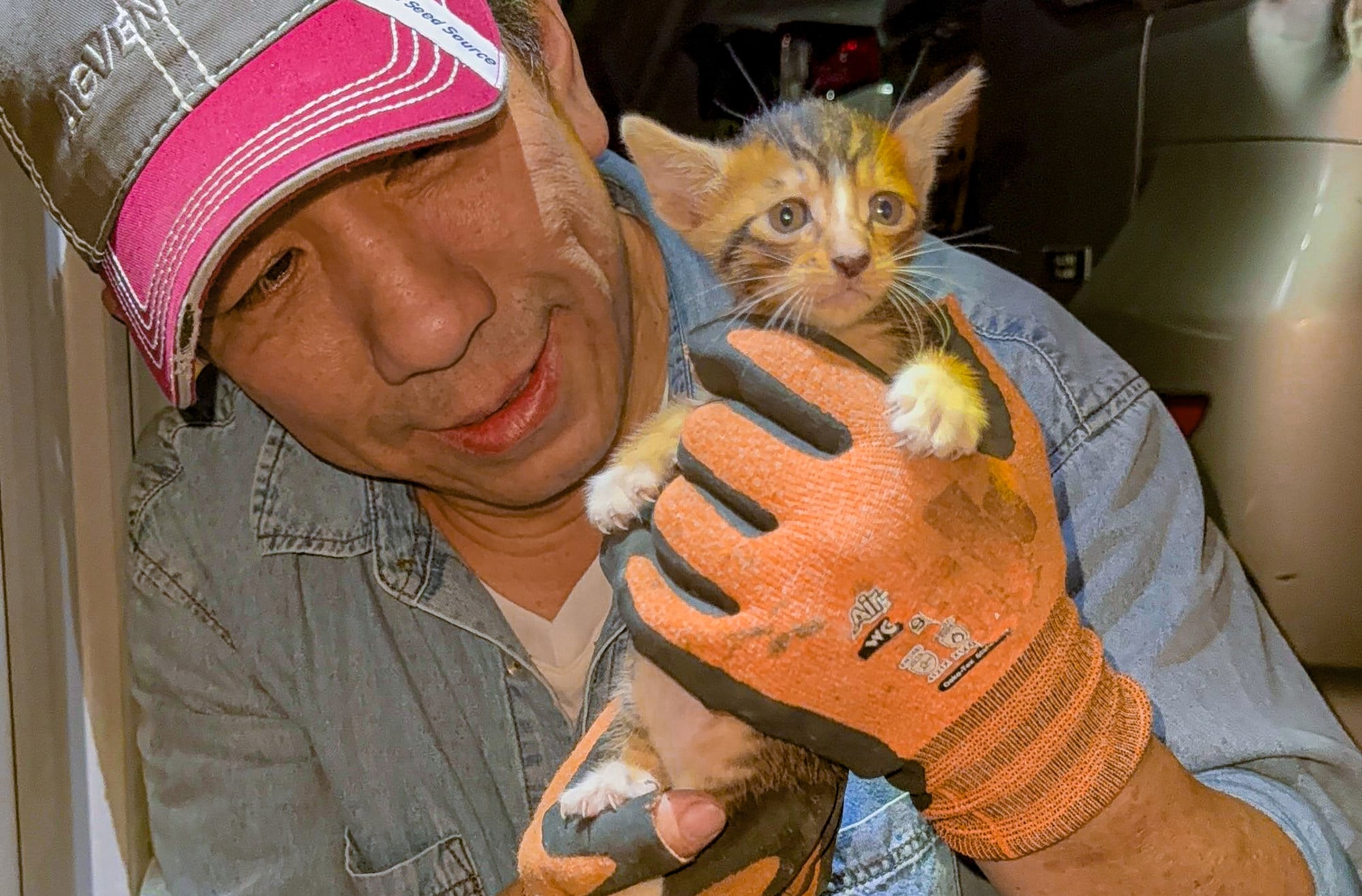
Luk noted that his organisation now received more than five calls a day about abandoned animals, roughly double the rate seen before the large-scale land resumption began.
He added that the worsening economic climate had forced some people to downsize to smaller flats, leading them to abandon their pets, particularly sick ones.
Since 2021, drivers have been legally required to stop if they hit specific animals: horses, cows, donkeys, mules, sheep, pigs, goats, cats and dogs.
When police receive reports of injured dogs or cats from traffic accidents, they first contact the Society for the Prevention of Cruelty to Animals (SPCA).
The SPCA then dispatches a team to inspect the animals on-site before transporting them to its veterinary clinic for further treatment.
When animals are killed, the Food and Environmental Hygiene Department arranges contractors to collect the carcasses, which are delivered to Environmental Protection Department facilities for disposal.
Louis Ng Wai-mei, public relations and advocacy manager at the non-profit Veterinary Services Society, echoed Luk’s concerns, noting that rapid development in the New Territories had eroded the rural habitats available to animals.
“The boundaries between urban and rural environments blur, and animals are increasingly drawn to residential streets in search of food, significantly raising the risk of traffic incidents,” she said.
She urged the government to install more warning signs in high-risk areas, particularly across the New Territories, to alert drivers that wild animals may be crossing the roads.
She also urged the government to expand the scope of existing regulations to protect all animals, rather than limiting coverage to specified species.
The Transport Department said that it would proactively explore installing warning signs in animal-heavy corridors to heighten driver awareness. -- SOUTH CHINA MORNING POST