
BEIJING: A Chinese influencer helped a girl who claimed to be raising her sisters alone in a remote village, only to later discover that some of her hardships were exaggerated.
Super Btai, whose real name is Chen Jiajun, is famed for exposing scams and supporting vulnerable communities. He has more than 25 million followers on mainland social media.
Earlier this year, Chen met 18-year-old Aji in the mountainous province of Guizhou, in southwestern China.
Aji told him she was raising two younger sisters and a niece alone, living in a leaky house with no bathroom and was forced to relieve herself outdoors.
When Chen visited, he found all four girls crammed onto a small bed, surviving on little more than a daily pot of pickled cabbage soup. The scene left him heartbroken.
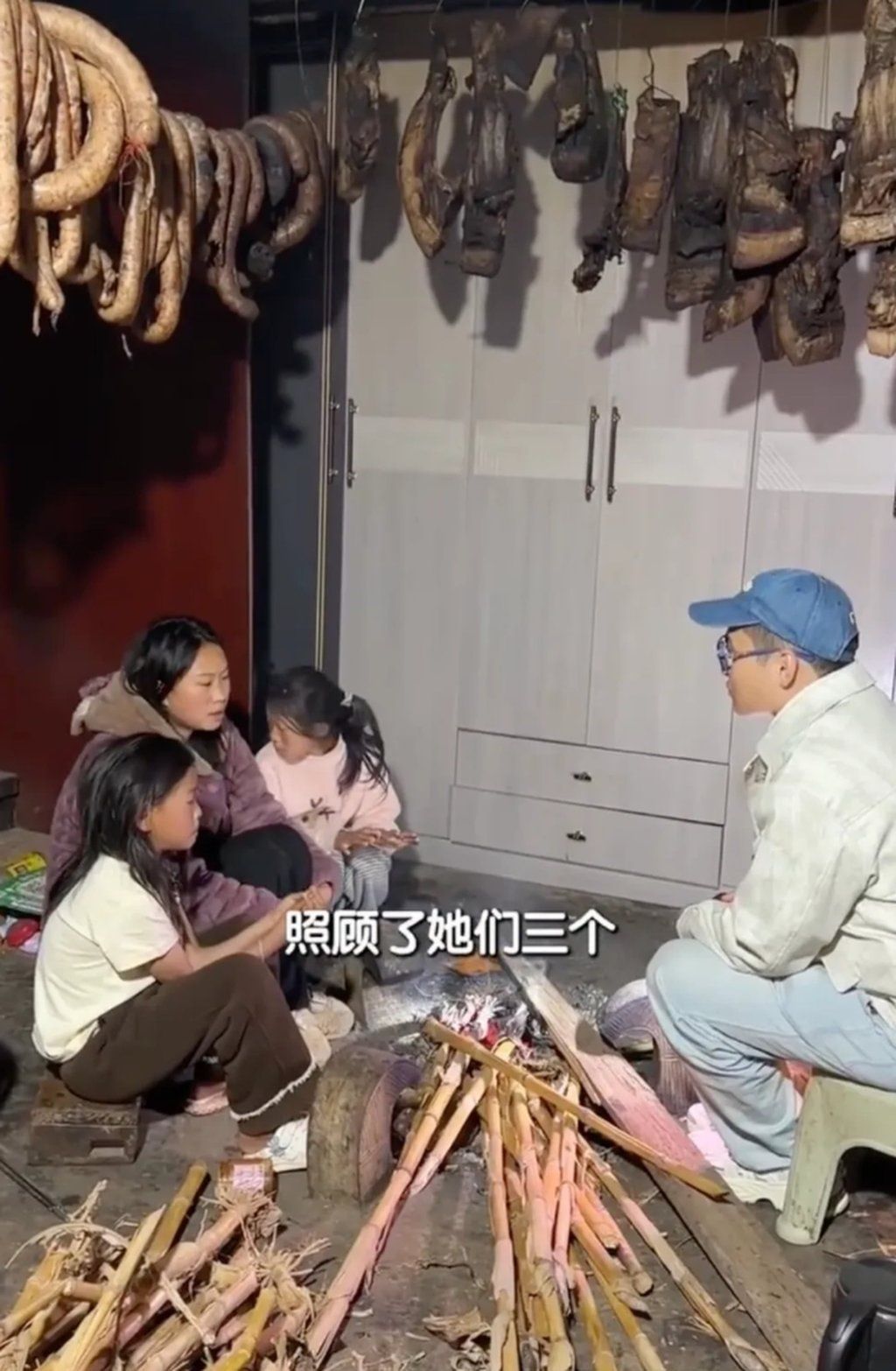
Aji said her brother had died, her mother had abandoned the family and her ill father was unable to work.
She added that she was the family’s sole provider, earning a living by planting potatoes and corn.
Local officials also confirmed the family was indeed extremely poor.
Her younger sister told Chen that their dream was to help Aji leave the village one day, because Aji had sacrificed her own education to care for them.
Moved by their self-reliance, Chen resolved to build a new house for the family.
He spent nearly 200,000 yuan (US$30,000) hiring designers and local workers, spent a month renovating the home and furnished it with new appliances.

However, during construction, Chen noticed two workers resembled Aji and discovered their names on her household registration, revealing they were relatives.
One admitted he was Aji’s younger brother and said that she and her sisters actually lived in another house, where Aji had her own room.
The other was identified as the older brother Aji had claimed was dead and who in fact was one of the family’s main breadwinners.
Feeling that his goodwill had been “deceived,” Chen nonetheless decided to finish building the house.
In April, on the day the girls moved in, Aji revealed the full story: their compound had five houses and the worst-looking one had been used for filming.
She has two brothers and her father is in good health but has long struggled with a gambling addiction and debt.
Chen realised that while Aji’s family was poor, they were not destitute.
The leaky house and debts were real, but Aji had exaggerated her circumstances and concealed the presence of male labour.
She later apologised for fabricating parts of her story.
Her brother added that his marriage required a 400,000 yuan (US$60,000) bride price, and without Chen’s help, Aji would have been forced into marriage to pay off family debts.
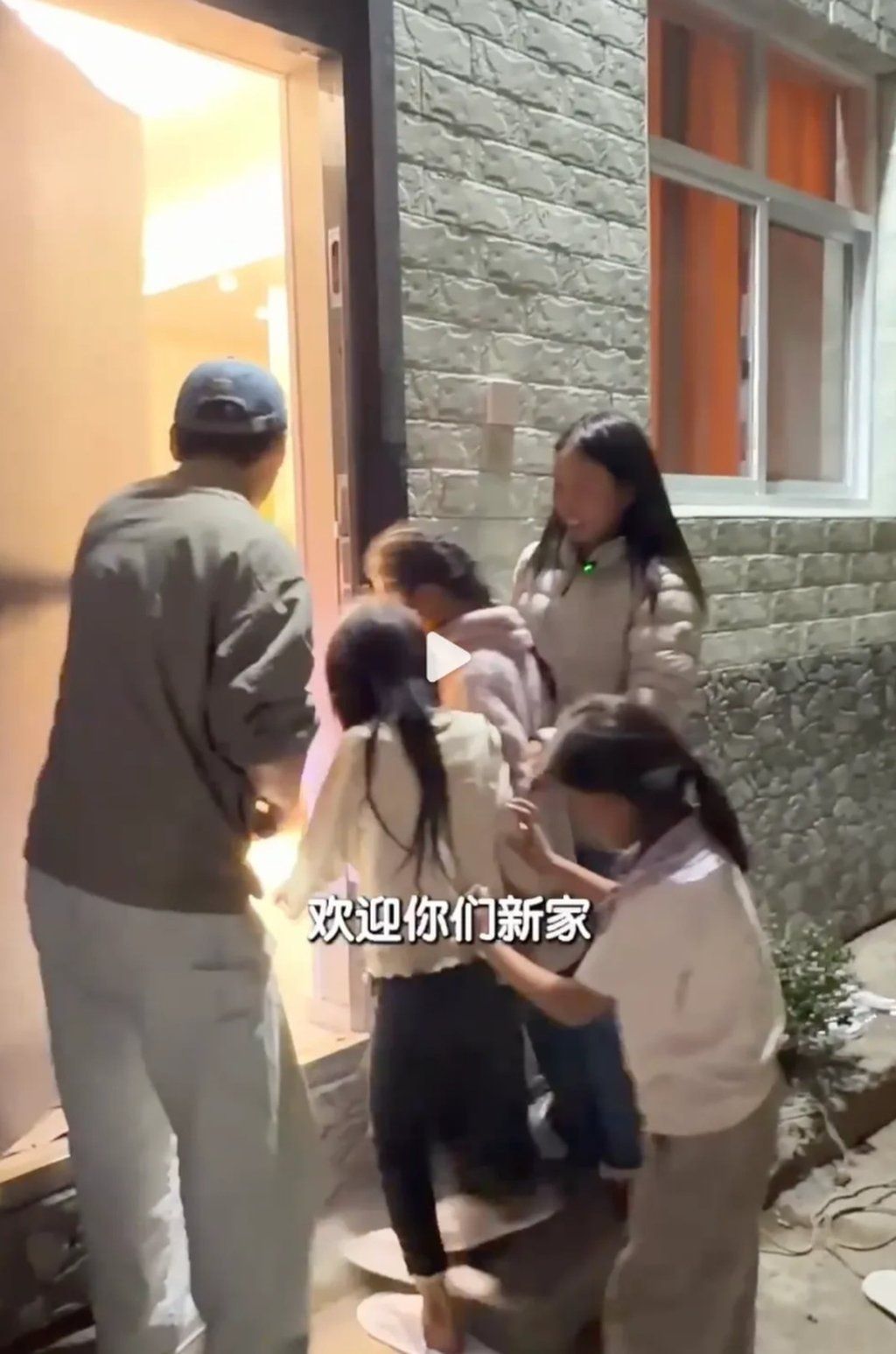
Chen responded: “The idea of high bride prices and marrying daughters for money is wrong. You cannot allow such harmful customs to continue affecting the next generation.”
He did not reclaim the house or pursue the matter and he enrolled the three younger girls in a welfare school.
Chen said: “Material changes are temporary; the most important change is in mindset. I want them to know that happiness can be earned through their own efforts.”
The case sparked heated debate online.
One netizen wrote: “The money could have helped many children truly in need. Poverty is not an excuse for expecting unearned benefits.”
While another highlighted a deeper issue.
“The father and brothers were invisible throughout. Yet the money and benefits Aji gained through lies would still go to pay her brother’s bride price and settle her father’s debts.
"In a family where male happiness is prioritised, the girls are treated as economic tools and exploited,” the person said. - South China Morning Post