In ancient China, it was not uncommon to use animal excrement in beauty treatments, a practice exemplified by Manchu Empress Dowager Cixi (1835–1908), who reportedly included bird droppings in her lifelong skincare routine.
Cixi, who rose from a low-ranking concubine to power as regent, effectively ruled the Qing dynasty (1644–1911) for nearly 50 years, from 1861 until her death in 1908.
While she navigated China through major challenges such as the Boxer Rebellion, foreign imperialism, and internal unrest, few are aware that she was also a devoted beauty enthusiast and, intriguingly, a skilled fragrance maker.
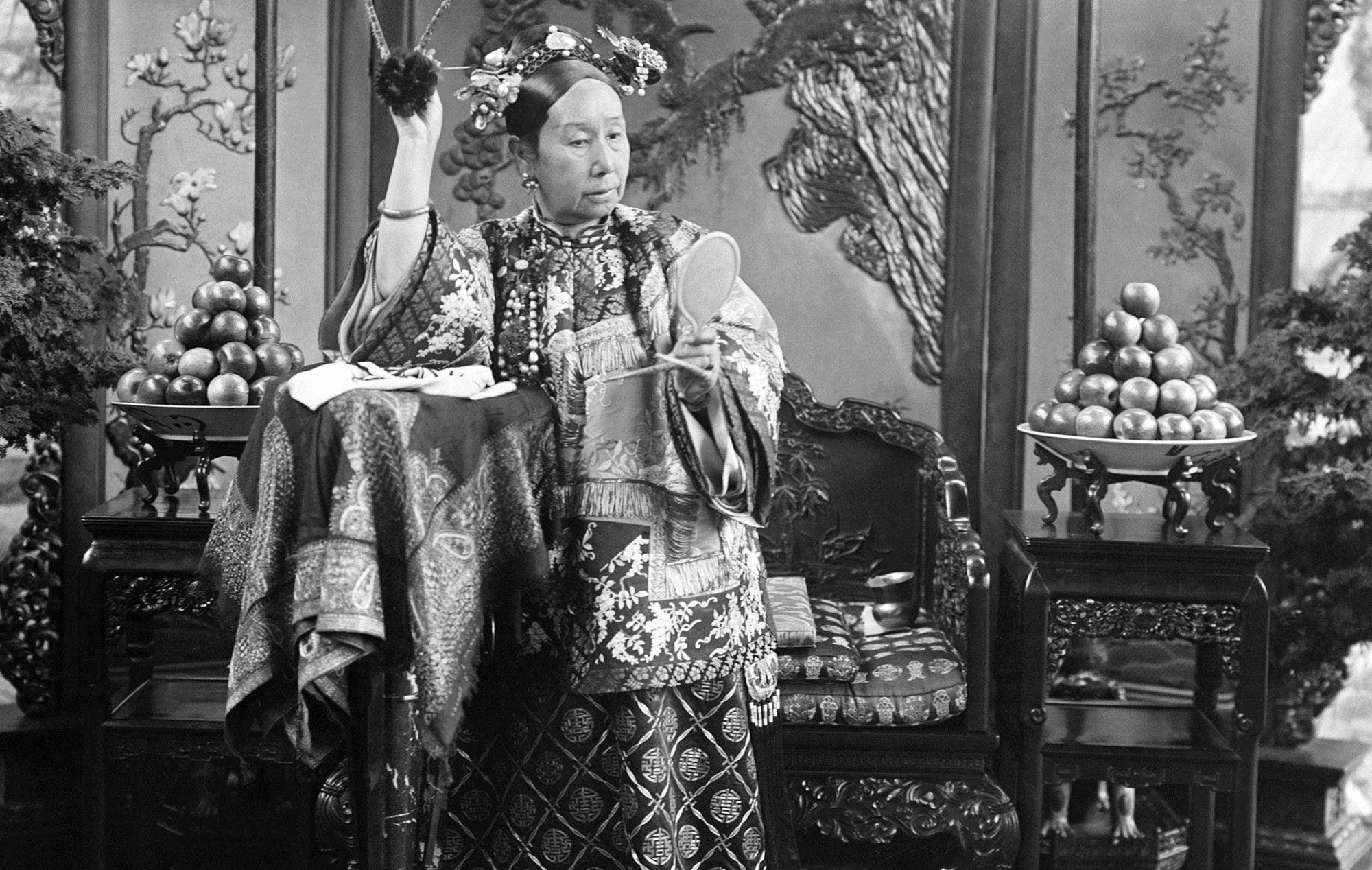
Cixi was known to care deeply about her appearance. Not only did she reportedly consume human breast milk as part of her beauty regimen to preserve her youth, but she also took to making her own blush at The Peak of her beauty routine.
Despite her efforts, she struggled with skin issues, including acne and facial spasms. However, according to Imperial Incense, written by her attendant Der Ling, even in her later years, Cixi’s skin retained its fair, smooth, and delicate quality, reminiscent of a young woman.
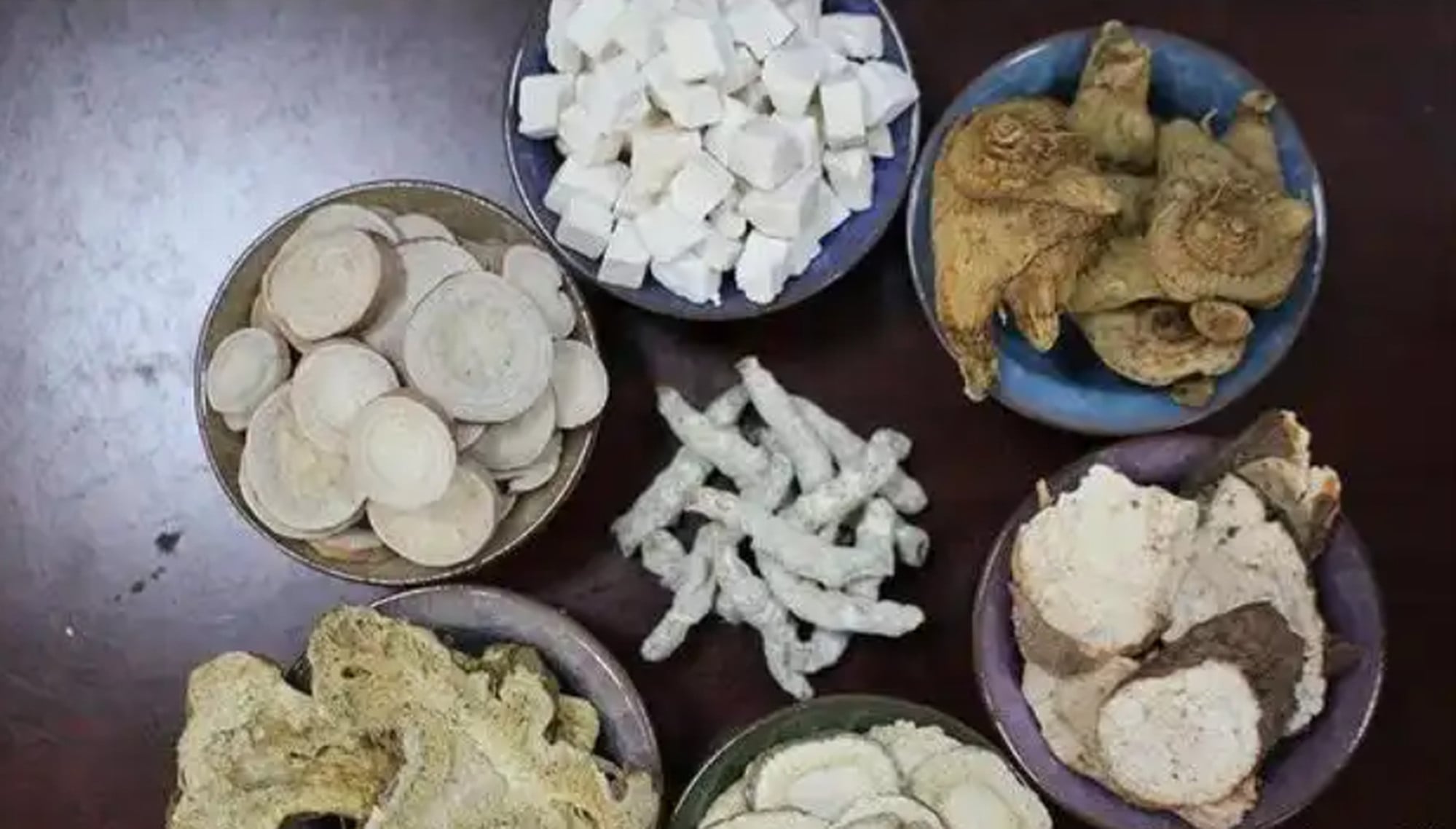
So, what beauty secrets enabled her to maintain such youthful skin well into old age? Yuan Hongqi, the deputy director of the Palace Department at the Palace Museum, revealed: “When discussing Cixi’s anti-ageing remedies, ginseng and pearl powder are essential, as both were regularly consumed by her. Additionally, a notable beauty formulation known as ‘yurong powder’ was used throughout her life.”
Yurong powder, a cosmetic uniquely crafted for Cixi by Qing court physicians in the sixth year of the Guangxu Emperor’s reign, was composed primarily of traditional Chinese medicinal ingredients. Among them, three components – bai dingxiang, yingtiao bai, and getiao bai – were forms of bird droppings specifically derived from sparrows and the excrement of male eagles and pigeons.
These young eagles and pigeons were specially raised and fed a medicinal mixture called “ba bai san,” with their droppings meticulously collected over nine days for cosmetic preparations. However, there are claims that this feed was toxic, often resulting in the young birds’ demise.
The powder was reportedly applied two to three times daily, believed to provide whitening and anti-ageing effects, enhancing complexion and reducing wrinkles. Later, Cixi even issued an imperial decree designating yurong powder as a staple cosmetic for her lifetime.
In traditional Chinese medicine (TCM), animal excrement has long been considered effective as medicinal material, with some types deemed quite valuable. The Compendium of Materia Medica, compiled by Li Shizhen, records as many as 51 kinds of animal excrement used for medicinal purposes. For example, sheep dung was believed to aid in treating diarrhoea in children, while camel dung was used to stop nosebleeds. Bai dingxiang, or sparrow droppings, was also utilised to address corneal diseases.
Huang Yongjing, chief physician of the dermatology department at Guangdong Provincial Hospital of Traditional Chinese Medicine, explains that from a TCM perspective, many bird-dropping-based remedies are believed to promote blood circulation, remove blood stasis, reduce lumps, and even offer cosmetic benefits. However, since some are mildly toxic, their indications and contraindications must be carefully evaluated.
“In dermatological treatment and cosmetic care, topical application is generally recommended, and these substances are rarely used alone. Today, bird-dropping-based medicines are difficult to source, and quality control remains a challenge. It is increasingly hard to find substances like bai dingxiang or ‘eagle white droppings’ in pharmacies, and their use in clinical practice has largely diminished due to safety concerns and potential risks,” Huang cautioned. -- SOUTH CHINA MORNING POST