




A Chinese father who, after divorcing, confiscated more than 80,000 yuan (US$11,500) of his son’s Chinese New Year “red envelope” money to cover the expense of a new marriage ceremony, has lost a lawsuit that demanded he return the full amount.
The boy, 10, who is known as Xiaohui, comes from Zhengzhou in Henan province, northern China, and has been living with his father since his parents divorced two years ago.
Over the years, Xiaohui had accumulated more than 80,000 yuan in Chinese New Year red envelope money, all of which was deposited into a bank account opened specifically for him by his father.
Later, Xiaohui’s father remarried, after which Xiaohui was sent to live with his mother.
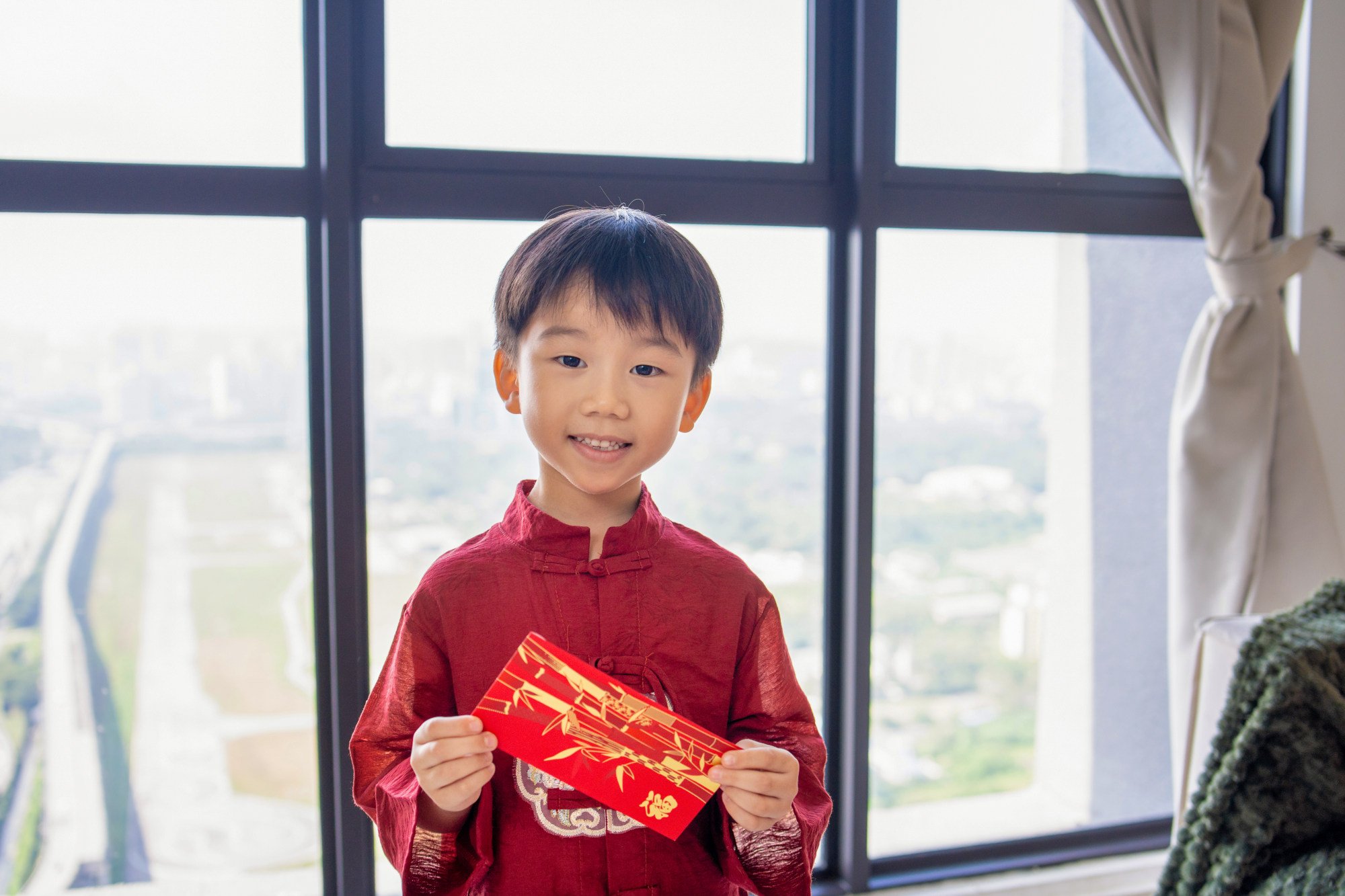
She subsequently discovered that, without Xiaohui’s consent, his father had withdrawn all 82,750 yuan, including both principal and interest, and used it to cover his wedding expenses.
When Xiaohui asked his father to return the money, the father refused, arguing that the gift money had been given by relatives and friends from his own social circle and was intended to be returned to the child only after he reached adulthood.
Left with no choice, Xiaohui sued his father.
However, his father even claimed that the lawsuit had been instigated by Xiaohui’s mother.
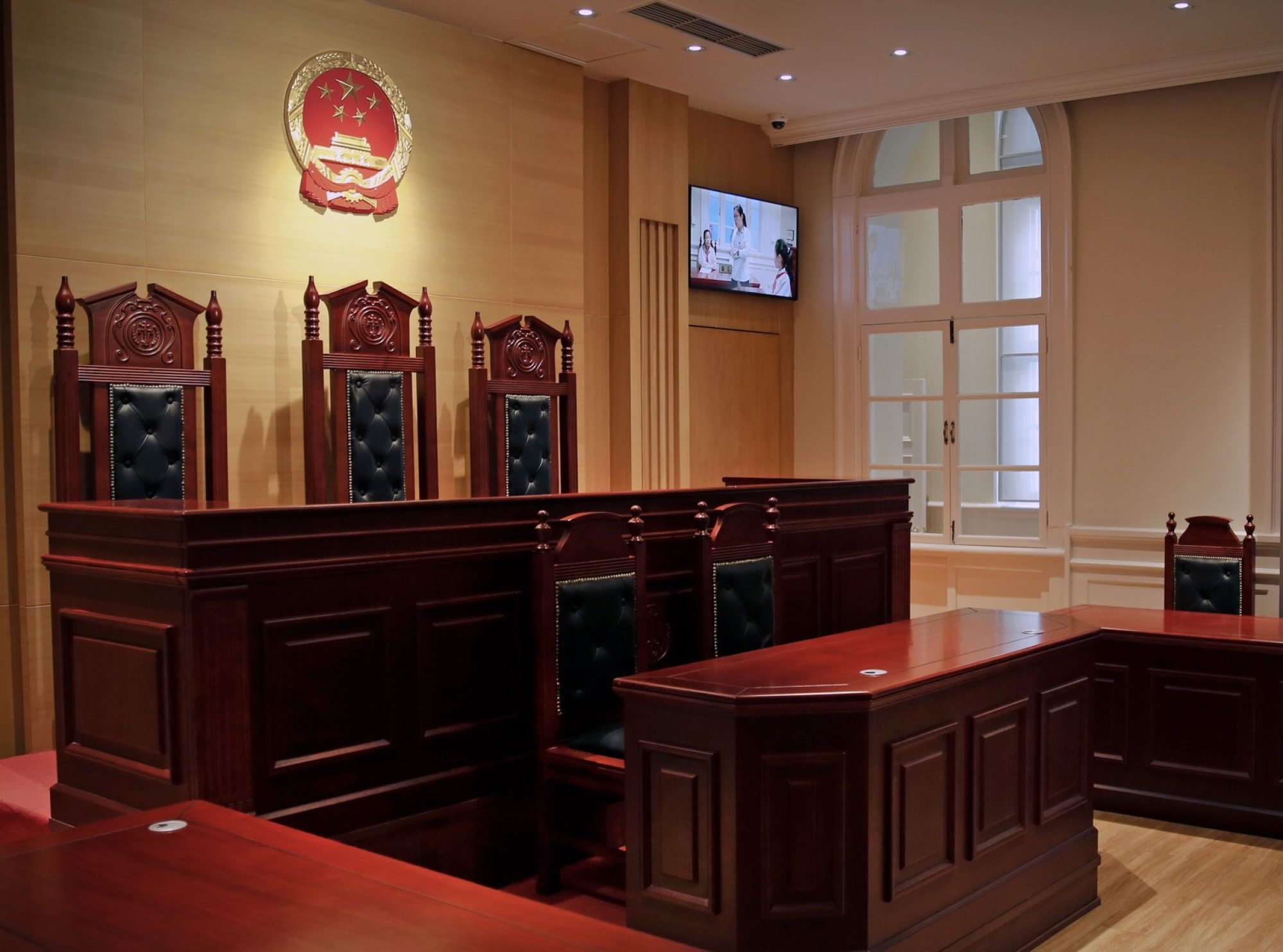
During the legal proceedings, the court determined that the gift money legally belonged to Xiaohui as his personal property.
By withdrawing and using the funds without permission, the father, despite being the legal guardian, had infringed the child’s property rights.
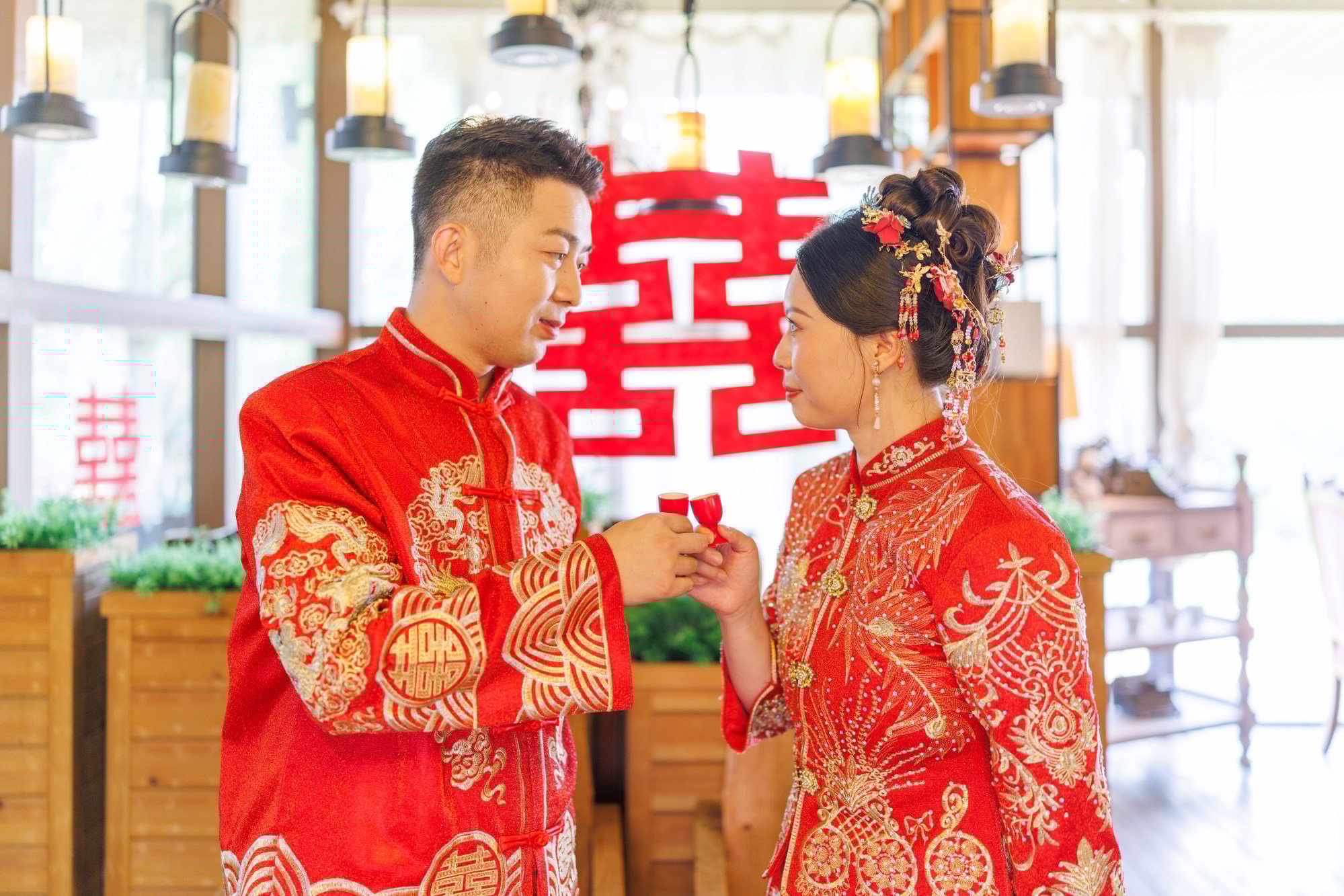
The court ultimately ordered the father to return the full amount of 82,750 yuan, including both principal and interest.
Every Chinese New Year, children, including those who are already adults but unmarried, are typically given red envelopes containing “lucky money”, symbolising good wishes for the year ahead.
However, this money is often kept by their parents for various reasons, such as balancing out what the parents gave to others or preventing the children from spending it on games.
According to the Civil Code of the People’s Republic of China, “lucky money” given during holidays is considered a form of gift and legally belongs to the child.
Children under the age of eight are not allowed to use their “lucky money” independently, while those over eight may spend it on school supplies, small toys and activities appropriate to their age.
As legal guardians, parents have a statutory duty to safeguard their minor children’s property and may help manage or hold the child’s lucky money in the child’s best interests.
However, they do not have the right to confiscate it or use it for their own personal expenses.
Xiaohui’s father was condemned on mainland social media.
One person said: “How desperate is he after the divorce? Using his son’s savings to remarry, he is really a genius.”
Another said: “If he is that broke, why is he remarrying? How did someone still agree to marry a person like this?”
While a third person said: “This really proves it: once there is a stepmother, there is also a stepfather.”
A fourth added: “If you insist that the child’s lucky money is actually a social gift from the adults, then half of it should belong to the child’s mother. This man clearly wants to pocket it all himself.” -- SOUTH CHINA MORNING POST


