Hong Kong was shaken last week by a 51 million yen (US$327,560) robbery after two staff members from a Japanese currency exchange company reported that their cash was stolen outside a money changer in Sheung Wan.
The two Japanese men told officers they had made an appointment to exchange about 190 million yen at a local remittance shop on the day they flew to the city. Police arrested six suspects, including one of the victims, who allegedly acted as a mole in the plot.
Industry insiders said requests to exchange such large sums of cash from overseas money changers were not uncommon. The South China Morning Post examines how these business practices work and how the trade is regulated.
1. Do staff often carry large sums of cash to Hong Kong?
A source familiar with the regulatory environment, together with several industry players, said that exchanges involving large amounts of cash between local and overseas money changers were a common long-standing practice.
The source told the SCMP that she had seen cases in which money exchange firms from Dubai or India dispatched staff to Hong Kong carrying foreign currency to exchange into other currencies.
She explained that a money exchange company might need to obtain additional cash stock when its supply of a particular currency ran out, which could lead it to turn to overseas money changers.
Hitesh Mishra, CEO of money exchange firm Zeus Hong Kong Limited, also said it was common for these shops to exchange different currencies with other stores using cash.
“They receive a lot of foreign currencies, so what they have to do is either deposit them with a bank or exchange them with other partners [for local currency],” he said.
He added that many smaller exchangers did not have a company bank account, which required them to conduct cash-to-cash exchanges.
Vincent Tse, founder of MPL Corporate Consulting, which provides consultancy services to money changers, said some people also exchanged yen into Hong Kong or US dollars in the city to purchase gold, which is duty-free locally but subject to a 10 per cent consumption tax in Japan.
2. What laws regulate money exchange firms in Hong Kong?
Money exchange shops, also known as money service operators, can only operate legally if they obtain a licence from the Customs and Excise Department and comply with strict anti-money-laundering measures.
Licensed operators must conduct due diligence and record customer details for transactions worth more than HK$120,000. While they are not required to submit records of large transactions to customs, officers may request business records for inspection.
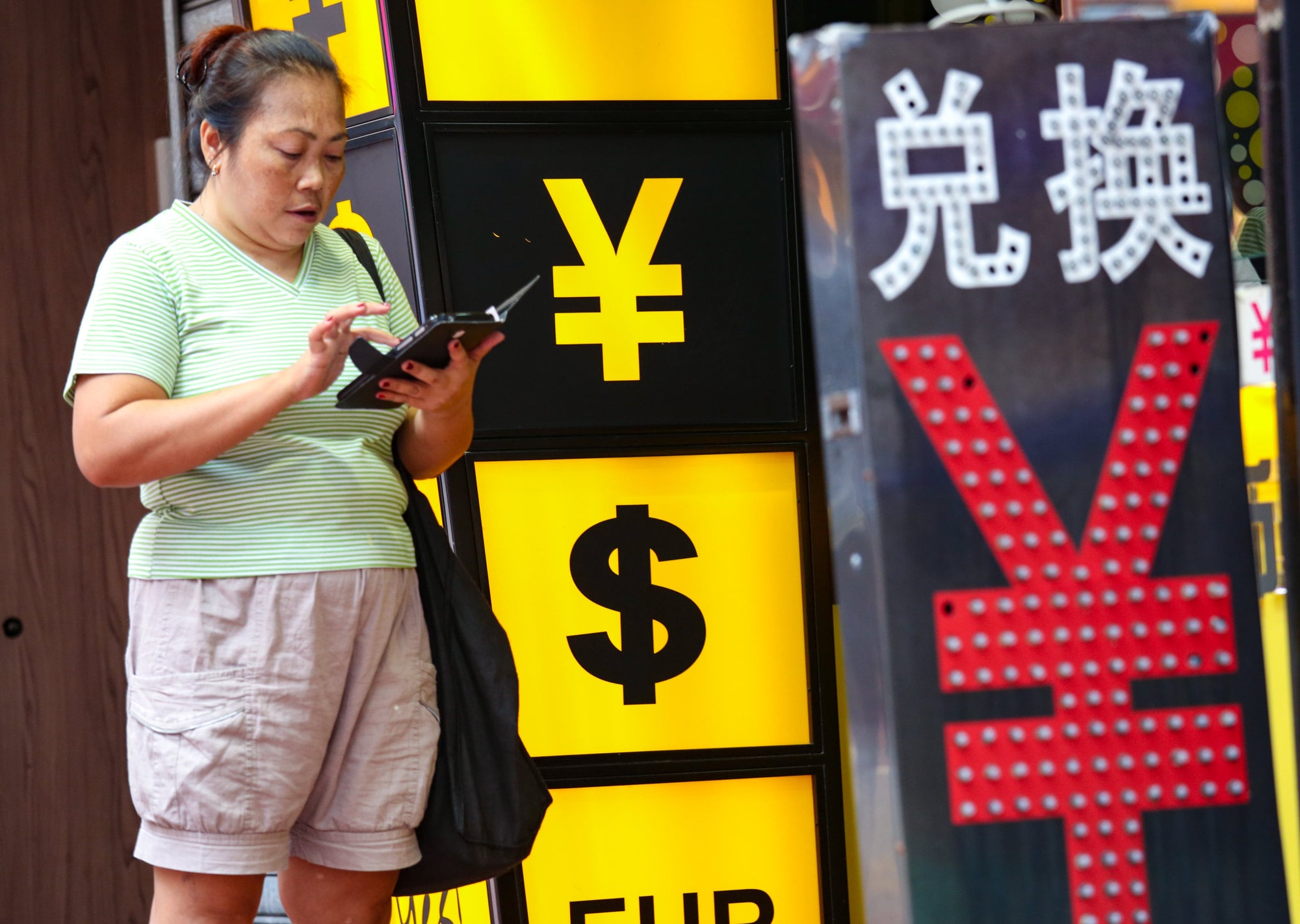
Mishra said exchangers would require clients conducting transactions over HK$120,000 to provide personal details and fill in a form. Their names would then be checked against a list of sanctioned individuals or those with criminal records before the exchange could proceed.
3. Is it legal to bring in so much cash?
Anyone entering Hong Kong must declare to the Customs and Excise Department if they are carrying more than HK$120,000 in cash, using the red channel.
If the passengers are not the owners of the cash, they must provide information about the owner in the declaration form.
First-time offenders may discharge their legal liability by paying HK$2,000 if they have no previous record of money-laundering or terrorist financing offences and are not suspected of carrying criminal proceeds.
For cases that go to court, the maximum penalty is a HK$500,000 fine and two years’ imprisonment.
The source said it was not compulsory for people using the red channel to declare how they intended to use the cash they were holding.
4. How many people have been caught not declaring cash?
Customs recorded 107 cases of inbound passengers failing to declare possession of more than HK$120,000 in cash in 2024, 80 cases in 2025, and seven as of last month.
The largest undeclared sum brought into Hong Kong between 2024 and last month was about HK$11 million.
5. How do exchange shops safeguard cash in transit?
Tse said some clients carrying large amounts of cash went straight to money exchange shops upon landing in Hong Kong without hiring security guards.
He said exchange stores should employ armed escort companies and purchase insurance to protect their deposits.
“Sometimes shops will also sell the currencies to banks. In this case, we would suggest they not visit banks at a fixed time and route, so that robbers will not be able to identify a pattern,” he said.
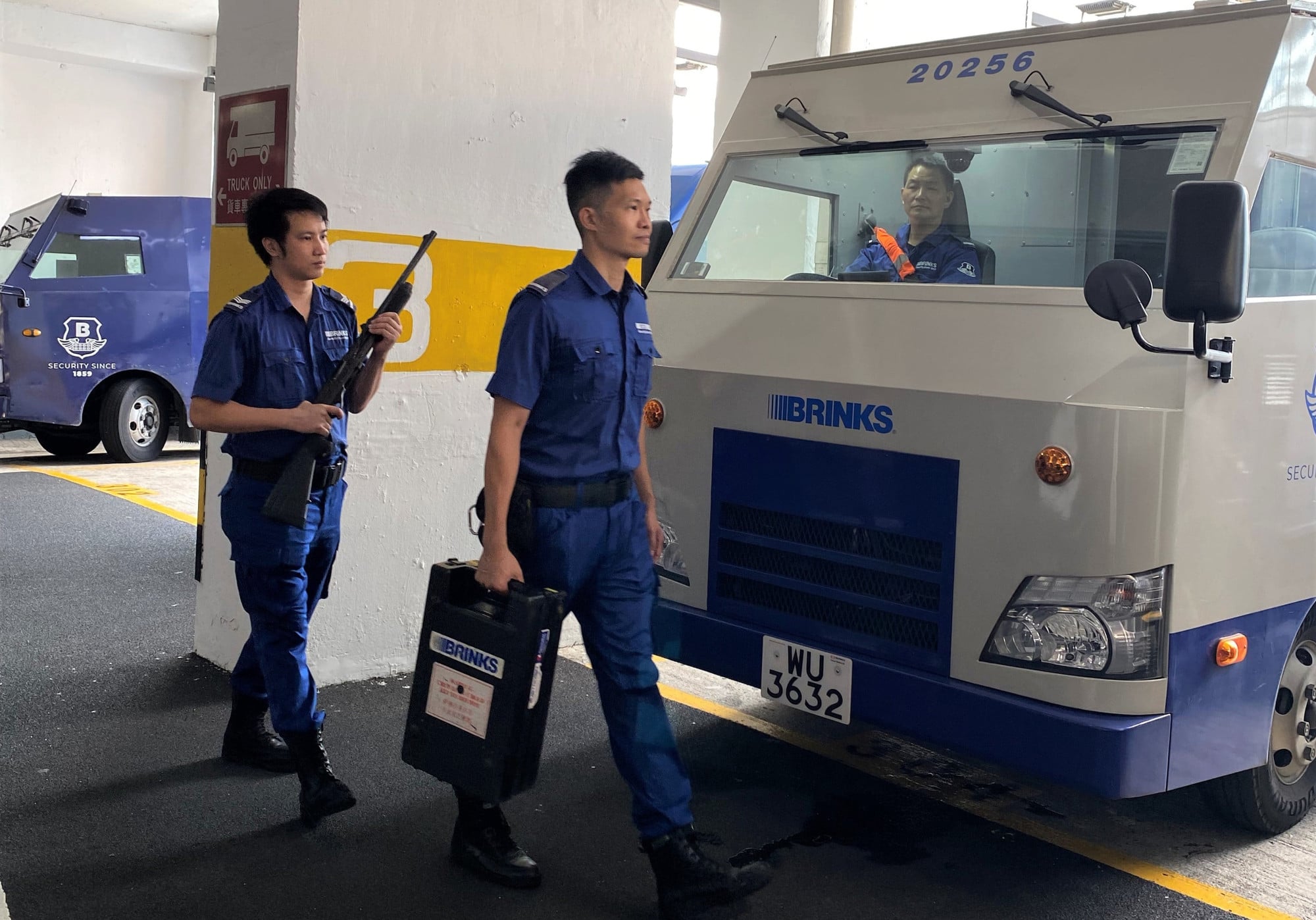
Mishra said firms would consider using security companies to transport cash if transactions involved HK$500,000 or more and that this would justify the cost of hiring an armoured vehicle and security personnel.
He added that firms would not undertake large exchanges involving millions with a new customer, as staff must complete a comprehensive background check on the client first.
Ngau Kee Money Changers, an advisory company to the Hong Kong Money Service Operators Association, said it would take extra steps before processing large transactions of HK$1 million or more and would only deal in such large sums with regular customers.
“As an extra precaution, we will also require those making three or more transactions of more than HK$120,000 per year to register as our members,” a spokeswoman said.
On the security front, she said the company would hire armed escort services to ensure the safety of the banknotes. -- SOUTH CHINA MORNING POST