


China’s top chipmakers, including Semiconductor Manufacturing International Corp (SMIC), are expected to avoid the worst of US President Donald Trump’s plan to impose 100 per cent tariffs on imported semiconductors.
According to a research note published by CLSA, the potential impact of the proposed US tariffs on imported chips – the details of which are expected as soon as next week – would be small for SMIC and Hua Hong Semiconductor.
The two Shanghai-based firms could also benefit from possible countermeasures that China and other countries could pursue, according to CLSA, without elaborating.
SMIC’s Hong Kong-listed shares closed up nearly 1 per cent on Thursday to HK$53, while Hua Hong’s stock rose 2.52 per cent to HK$44.78.
On Wednesday in Washington, Trump announced that the US would impose a 100 per cent tariff on imported semiconductors, although companies that were manufacturing in the country or had pledged to invest in new factories would be exempt.
Those would include major tech companies such as Nvidia, Taiwan Semiconductor Manufacturing Co, Samsung Electronics, SK Hynix, Micron Technology and Apple, which committed on Wednesday to invest another US$100 billion into US manufacturing.
CLSA’s assessment reflected how China managed to increase the share of its integrated circuit (IC) exports, including memory chips, to countries in Southeast Asia, customs data showed.
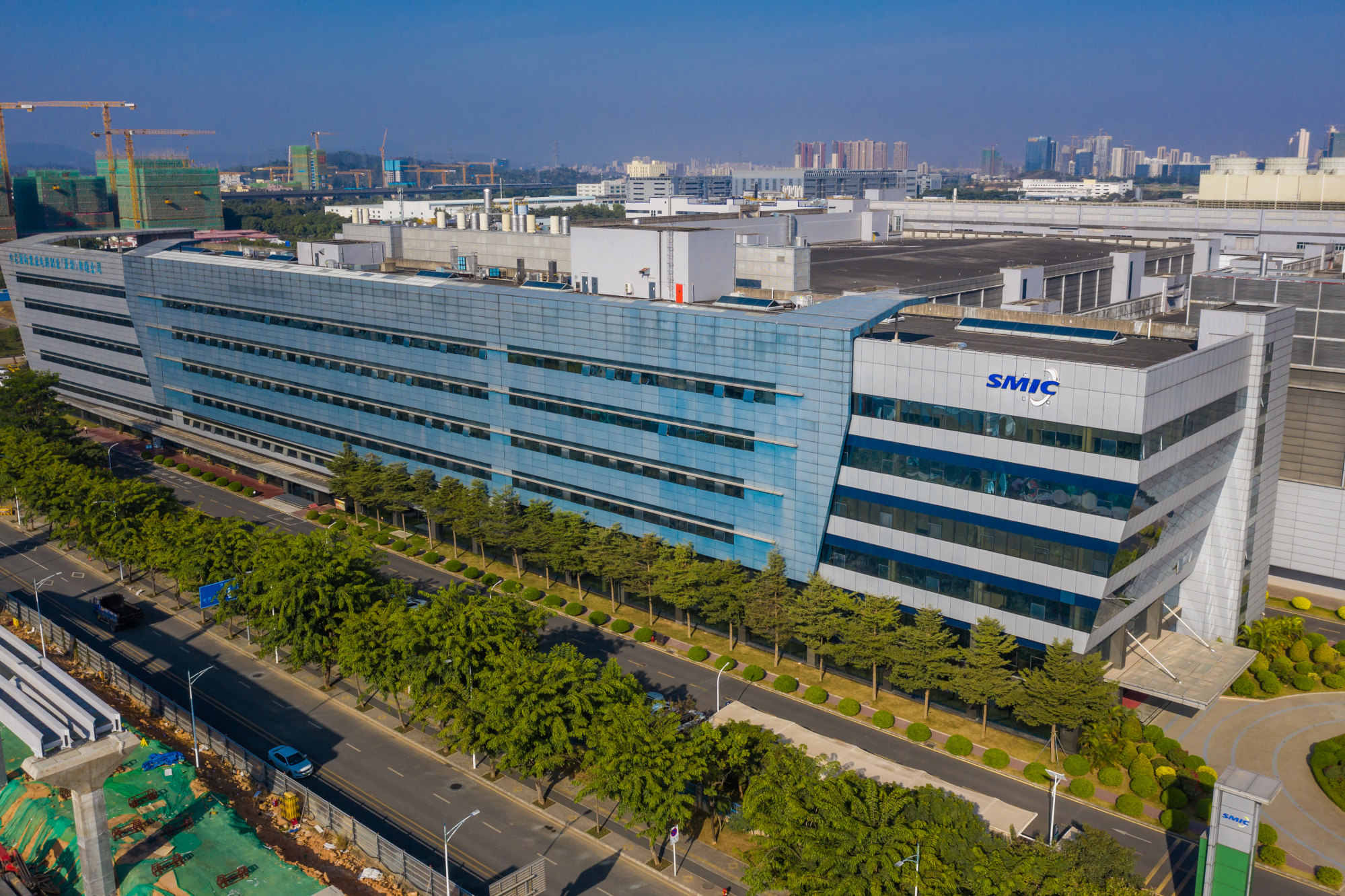
SMIC’s sales in the US made up 12.2 per cent of the firm’s total revenue in 2024, while about 9.3 per cent of Hua Hong’s revenue last year was attributed to sales in North America.
China’s IC exports to the US last year were valued at US$2.2 billion, a significant portion of which was used in the automotive manufacturing sector, according to customs data.
In the first half of this year, the mainland’s IC exports to the US reached US$983.7 million, an 11 per cent year-on-year decline, customs data showed.
While China is still a net importer of ICs, the country remains a major exporter of so-called legacy chips, which are widely used in cars, home appliances and consumer electronics.
According to research firm TrendForce, mainland China’s global share of older-generation chips – produced using 28-nanometre or larger wafer-etching technology – is projected to grow from 34 per cent to 47 per cent between 2024 and 2027. That would surpass Taiwan chipmakers’ share, which is expected to decline from 43 per cent to 36 per cent over the same period.
In the first seven months of this year, China’s chip exports reached 199.6 billion units valued at US$108.3 billion. That marked a 20.5 per cent year-on-year increase in value, according to customs data released on Thursday.
Despite that growth, China’s chip imports still exceeded exports in both quantity and value. The country’s IC imports from January to July totalled 337.2 billion units valued at US$228.6 billion.
The average price per imported IC was US$0.68, higher than the US$0.54 average price of chips exported. - SOUTH CHINA MORNING POST


