
So recently I’ve started playing this new open-world gacha game called Neverness To Everness (NTE) and oh boy does this game do so, so many things.
I initially downloaded the game because I was interested in the Grand Theft Auto-like experience of driving (and occasionally “borrowing”) cars in a dense urban environment, but then it quickly turned into an explosive shounen anime hack-and-slash, then it became a ghost story, and now I’m working as a Grab driver so I can fund my cafe business.
But you know what? This isn’t going to be a review of NTE. Instead, I’ve become hyper-fixated on one element: how this very unique game implements its character levels and progression systems in such a strangely familiar way.
So follow me, if you will, into this side quest to understand RPG levelling systems in certain Asian gacha games, and you’ll be rewarded with 100 XP – and perhaps a bonus item!
WTH is NTE?
OK, let’s lay some groundwork. First, let me tell you more about NTE: this is a free-to-play gacha game from Chinese devs Hotta Studio, released in late April 2026. Imagine Grand Theft Auto’s dense urban open world filled with side quest and minigames, add some stylish anime hack-and-slash, throw in some spooky weirdness (depending on your cultural touchstones: think Ghostbusters, SCP, or Control), and layer on top of all it the usual insanity of an Asian gacha game. (Daily logins, a billion different currencies and knick knacks to collect, wildly esoteric terminology, etc.)
It’s been a really fun game so far, but I know I’d need another 100+ hours before I can give a proper review of a live service game. And I know this because I’m already married to fellow Asian gacha game Genshin Impact for over six years.
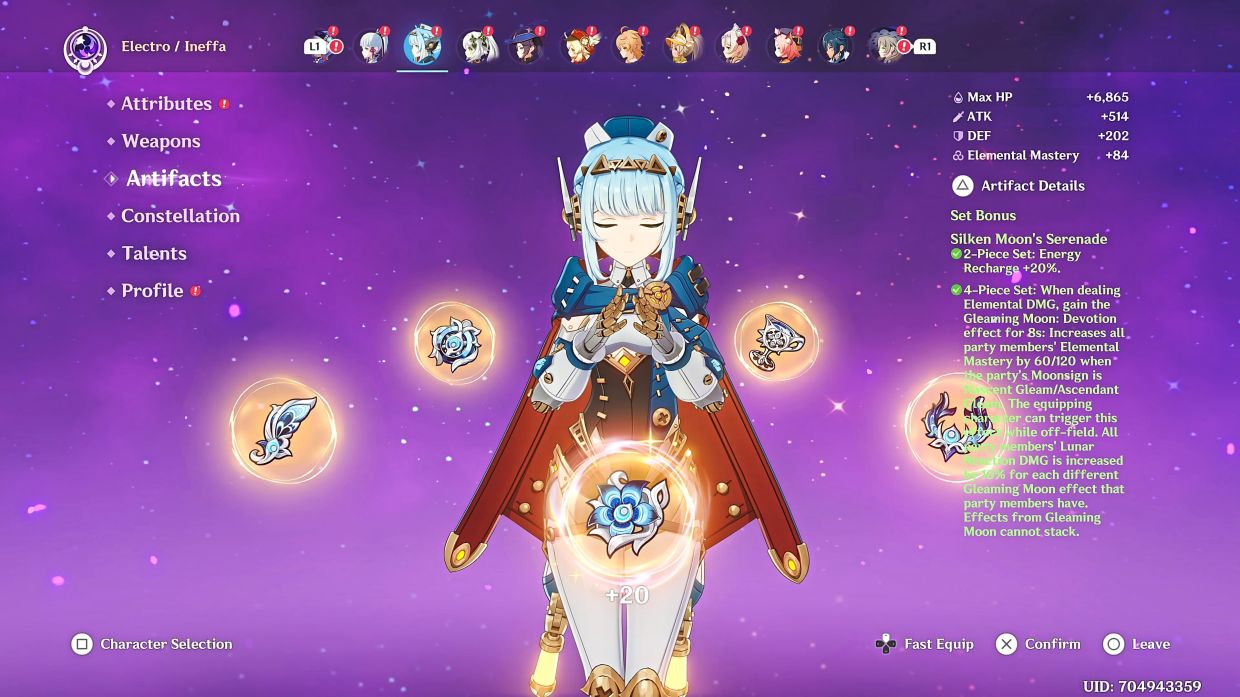
In fact, this comparison with Genshin is what got the ball rolling on this article – I noticed that NTE’s character progression system is specifically similar to Genshin’s already strange system, with some tweaks and lots of renames. Characters have level limits that can be increased via six “Ascensions” (aka artificial levelling breakpoints), Arcs/Weapons can also level up using Dye/Ores, players have a separate account-wide Hunter Rank/Adventure Rank, etc.
Is this just another design quirk of insane Asian gacha games? I had to take a closer look.
What is a levelling system?
When we talk about RPG-style levelling systems, we’re interested in understanding what they are, why they’re used, and the different ways of how they’re implemented.
The “what” part is easy: an RPG levelling system is a set of progression mechanics that make you (or rather, your game characters) grow stronger the more you play the game in a certain way. Usually, this means earning “experience points” (called XP, or EXP) or its equivalent by slaying monsters and completing quests, and this XP in turn lets you “level up”.
“Growing stronger” can mean either vertical growth (where you do what you do better, e.g. your warrior gains +2 Strength and hits harder), or horizontal growth (where you learn something different, e.g. your warrior learns how to craft weapons).
(Note: the latter shouldn’t be confused with the kind of horizontal growth caused by too many cheeseburgers. ...I should get more exercise.)
Why a levelling system?
Anyway, the “why”s of implementing an RPG levelling system is a more interesting question.
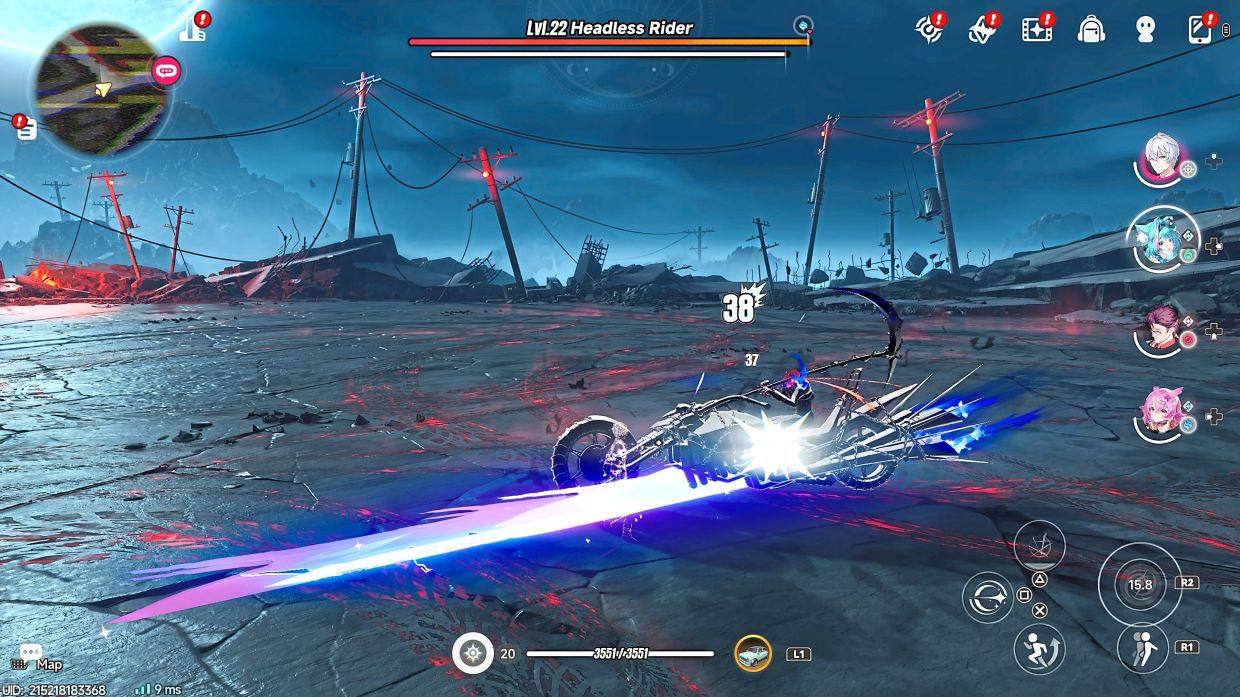
The most obvious use is for narrative pacing and creating a sense of serial escalation. When RPG levelling systems were introduced during the era of Dungeons & Dragons, your player characters might start small, protecting a humble village from goblins at level 1, and then several adventures later, they’re boldly saving the whole dang kingdom from dragons at level 10.
(Remember this, we’ll come back to it later.)
In video games, levelling systems can also be used for gameplay pacing, where new mechanics or zones are introduced only after players have played a sufficient amount of the current content.
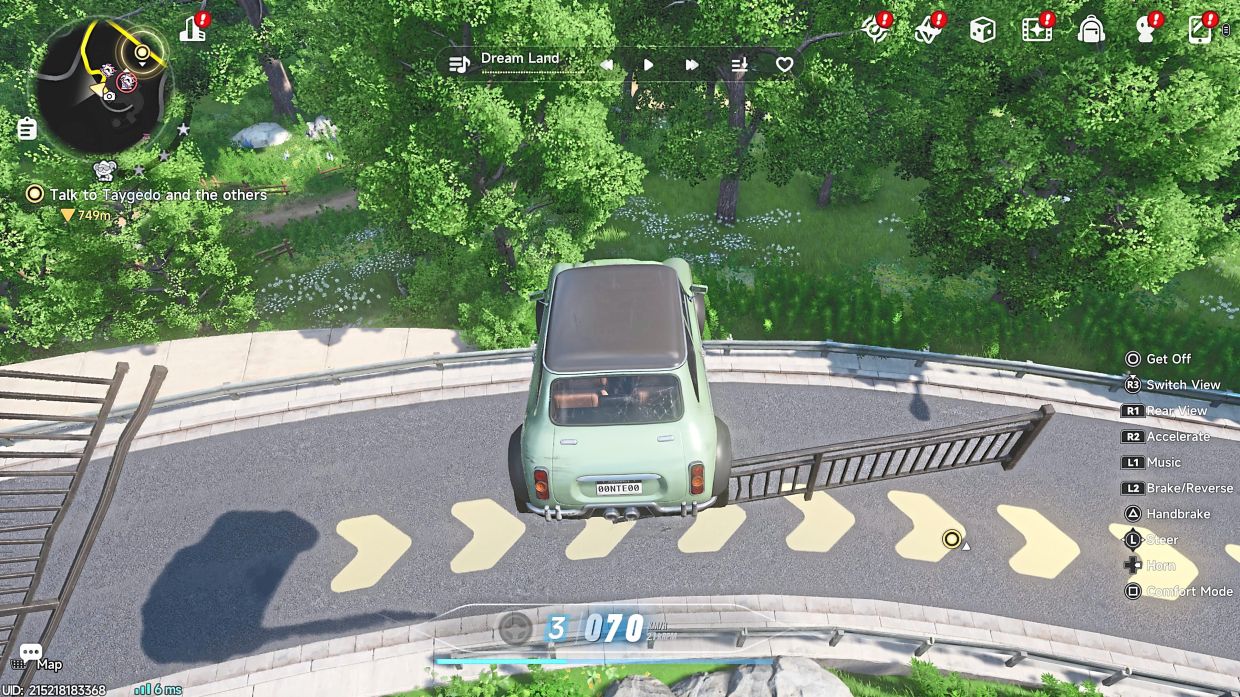
In NTE, where there’s a ridiculous amount of things to do and explore, this makes sense. For example, the Grab/Uber side job is only unlocked once you reach Tycoon Level 3 (yet another progression meter) by earning Fons (i.e. money) and winning an Initial D-style race, which at least implies you’re become familiar enough with the game to drive across the city.
(Hilariously, this also implies that every Grab driver in NTE is secretly a street racer. Five stars for pulling a drift as I’m dropped off at my local FamilyMart.)
More interestingly though, levelling systems can be used by game designers to encourage players to play or behave in certain ways through extrinsic incentives. (Quick sidebar: intrinsic reward = you cook a cheeseburger because you like cooking cheeseburgers. Extrinsic reward = you cook a cheeseburger because someone paid you for it.)
How are levelling systems implemented?
Understanding the “how”s of an RPG levelling system involves understanding, among other things: when the game gives out XP, how many levels of progression there are, and what choices you’re given when levelling.
Tim Cain, creator of Fallout, explains in one of his YouTube videos (“How To Give Experience Points”, 16 Feb 2024) that he prefers to reward players with XP for completing quests, not for killing enemies. This is because he wants to let players play his non-linear RPGs in whatever way they want, be it through combat, diplomacy, or stealth.
To quote, “XP is what you use to tell players this is what I want you to do, and this is what I expect you to do.” Basically, if killing enemies grants XP, then even players trying to play a diplomat would still end up carrying gatling guns.
Understanding how a game implements its levelling systems helps us understand how the game devs want us to play their game. And with that in mind, let’s finally ask the question I’ve been circling since the start of this article: why do gacha games like NTE and Genshin Impact design their levelling systems the way they do?
(Confused shrug emoji)
To avoid burying the lead, the answer is... I’m not entirely sure? I mean, obviously, part of it is to encourage players to continue playing and/or paying for their live service, but the specifics of their designs baffle me.
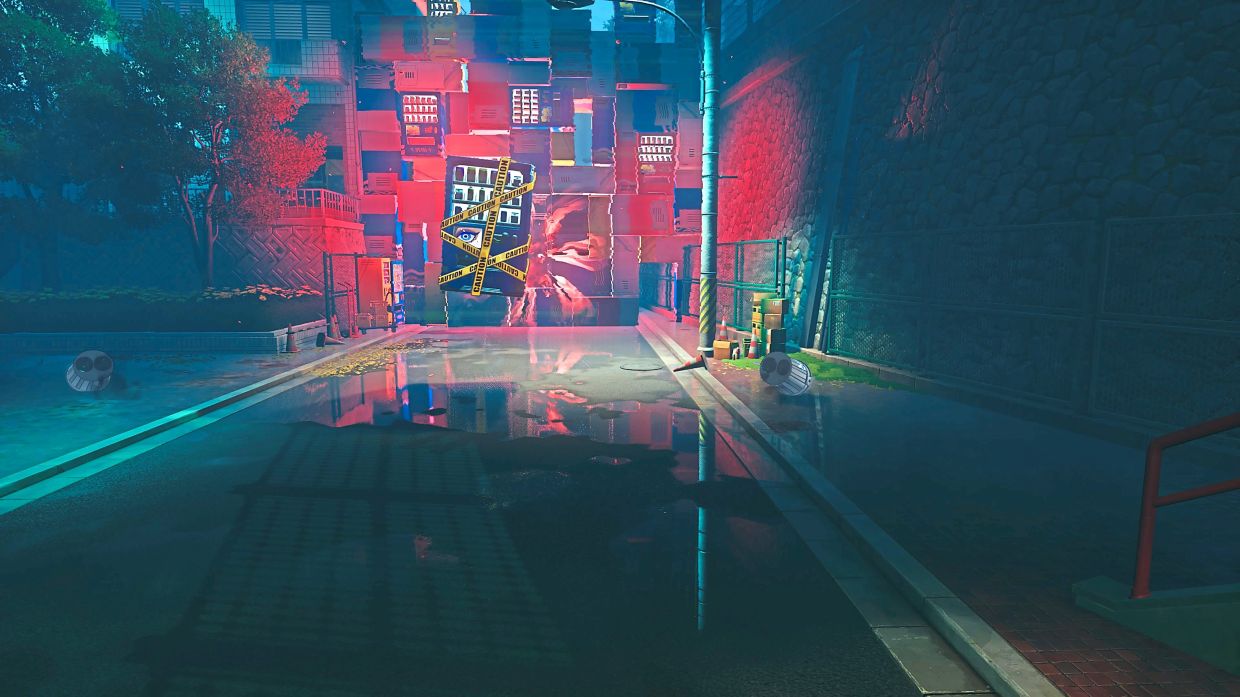
Remember what I said about narrative pacing? That characters should dynamically grow stronger as the story progresses? Yeah, that doesn’t work when characters have a finite level cap, but the live service has a story that’s never-ending, with new chapters and updates added every year or so.
In Genshin, I’ve experienced six story arcs that each started like “welcome to Natlan!” and ended epicly with “I will personally slay the Primordial God of Evil to save Natlan!! Rrraaarghhh!” – yet all my characters were at a consistent, static level 80, because they already maxed out at the end of the first story arc.
High level tax
My Genshin friends would say, “but Shaun, the max character level is actually 90, or 100 if you’re a whale”, and yeah, I know. Problem is, all enemies and challenges scale with you (or your World Level, to be specific) so playing at lower levels feels qualitatively the same as higher levels.
The real difference with having a team of level 80 characters is that you have to pay a bigger “tax” to start onboarding new characters. For example, I recently-ish obtained a character in Genshin called Ineffa (because I love my robot ladies). She started at level 1, but even the rando bandit mooks in my world are scaled up to fight level 80 heroes.
To make her viable to play, I had to: level up her character, unlock her “Ascensions”, level up her weapon, level up her accessories, and level up her individual abilities. And each of those things consumes a different kind of currency or XP-granting item!
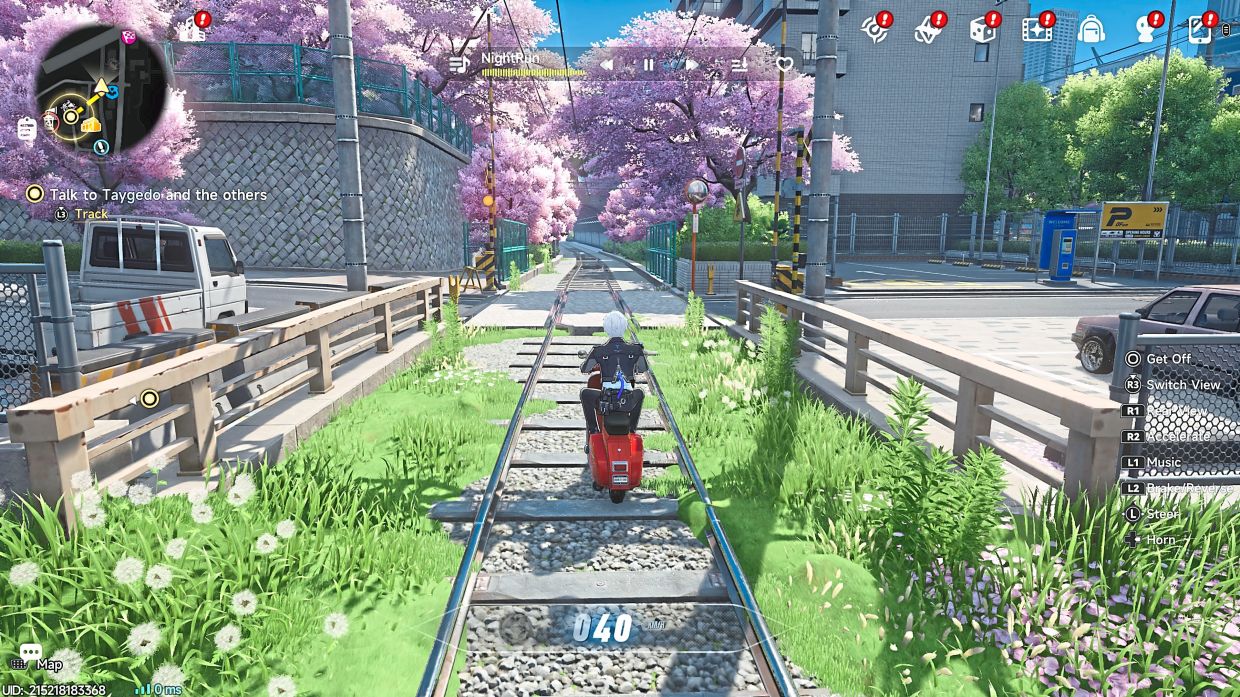
This pattern of “don’t think about it, just spend to increase levels so you can reach parity” is true for both Genshin and NTE – and that’s a really strange way of using levelling mechanics, isn’t it?
Character levels here aren’t really a measure of progress or an expression of player choice, but a “you must be this tall to ride” sign before you can actually start playing. At least, I find it strange – this design just encourages players to hoard those XP-granting items and level up materials like I hoard cheeseburgers.
Level up choices
When a character reaches level 4 in Baldur’s Gate 3, you’re asked to choose one of a variety of “feats” that can change how that character plays – e.g. you can make your Fighter tougher, specialise in big weapons, or even learn a magic spell. Choices in levelling systems create a lot of strategic depth, and customising character and party builds are often very interesting decisions for players to make.
On the other hand, in gacha games, if you want to have, say, someone in the party who can heal, then good luck! You’ll need to spend your gacha tokens to hopefully get a character like Edgar in NTE (the only healer in the game to boot), or Barbara in Genshin.
And this actually makes sense, believe it or not. But only for this genre – the game devs want players to engage with the gacha mechanics, so they designed each character to fill a specific role, and allowed them only linear, vertical growth. By removing discrete choices in the character build, it means players can only make strategic decisions by collecting more characters/weapons/etc from the gacha system.
Finally, a design decision I can actually understand!
Your XP reward
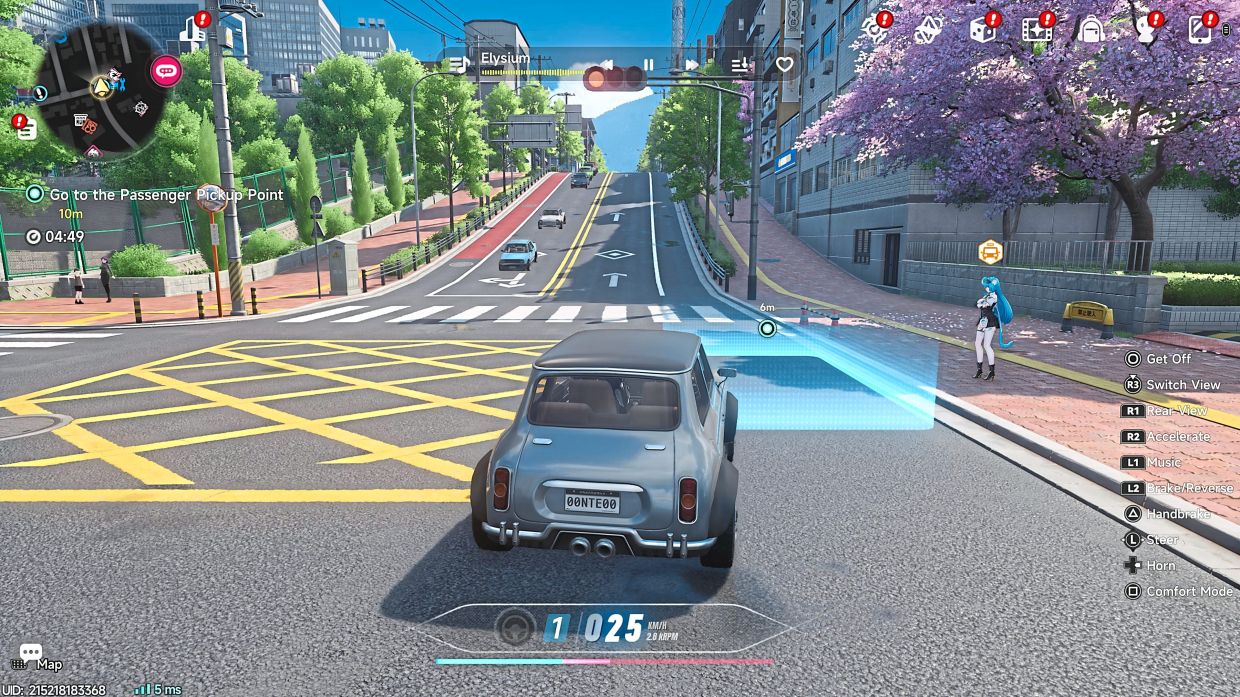
I could go on forever, but this isn’t a live service article so I do need to find an actual, finite, end point to my word count. My point isn’t to criticise RPG levelling systems in gacha games – I mean, I’ll still be playing NTE and Genshin Impact later today because they’re both fun – but I’m really interested in making sense of the decisions game devs made in choosing their specific permanent progression systems.
And if they don’t make sense to me, heck, that’s perhaps even more fascinating, because it means I need to level up my understanding of how game designers build their systems.
Anyway, thanks for listening to me ramble on about RPG levelling systems. You’ve completed this quest, so as your promised reward, here’s 100 XP and a half-eaten cheeseburger.
Sorry, I was really hungry while writing this.