
Hey everyone, I hope you've had a good March! Uh, and a good April too. Is it May already?
I'm sorry, but ever since Pokemon Pokopia released on March 5 this year (I assume it's still 2026?) I've kinda lost track of time. It's one of those games that I love so much that I play it every day, and now I have a writer's inexplicable urge to share everything I found interesting about it.
This article isn't a review, though. Well I mean, the next section will literally be a short review & recap just to make sure we're all on the same page, but this article as a whole is more about understanding the different evolutionary lines of video games that produced Pokopia, and how Pokopia further evolved its inherited design elements to become such a super effective gaming experience.
There's quite a lot to cover, so let's take it a little by little.
Pokemon Utopia
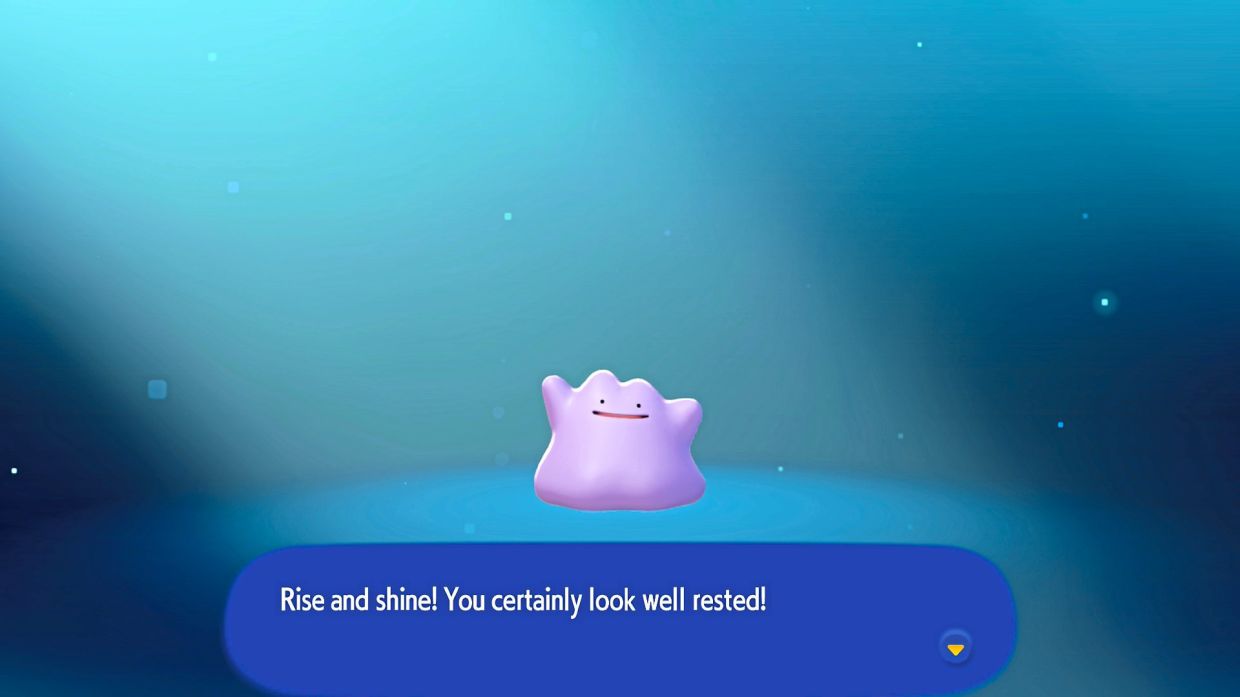
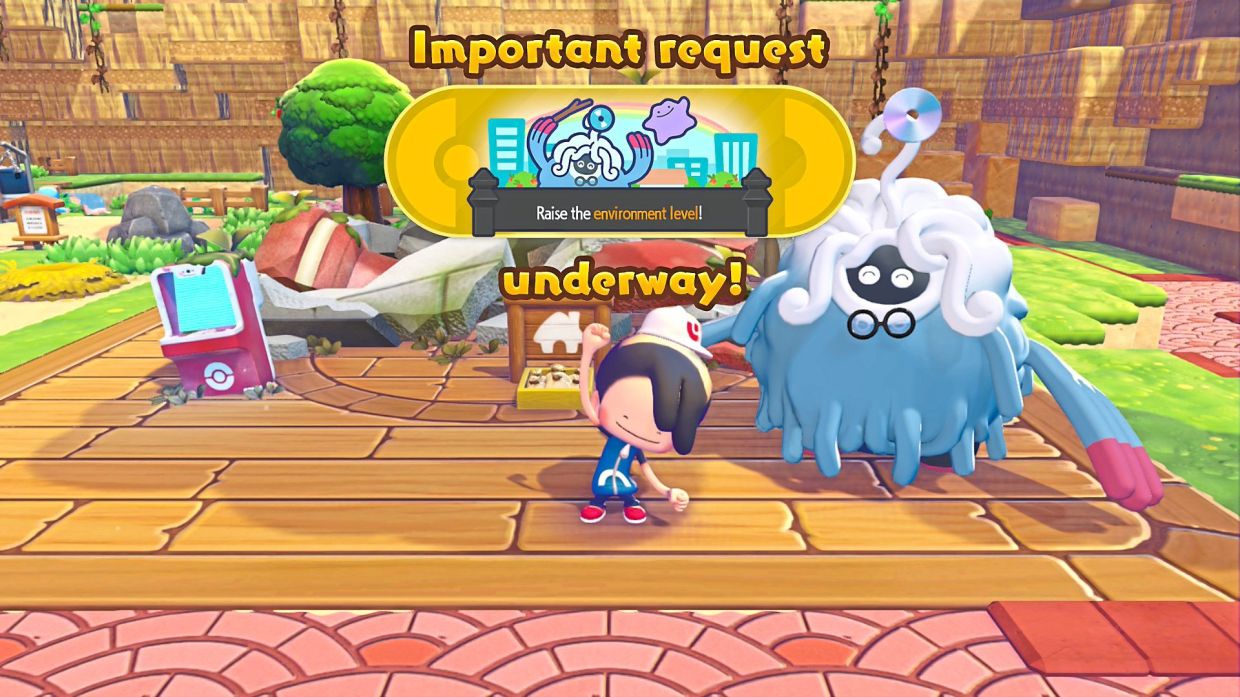
Okay, so: in Pokemon Pokopia you play as a Ditto (a Pokemon that can transform into other Pokemon) who wakes up in a desolate world that's almost completely devoid of other life, wondering where their human trainer went.
With the help of the few Pokemon who still live in the barren wasteland, you slowly rebuild the world – restoring livable habitats, attracting all the Pokemon that have gone into hiding, and remaking society from scratch.
And, in the background of all this, the Pokemon are also trying to figure out what happened to all their beloved human partners, and how to reunite with them.
The game is a cross between social life sims like Animal Crossing, and crafting/world-building games like Minecraft, except with adorable pocket monsters everywhere. (And if you've played the excellent Dragon Quest Builders 1 & 2, I won't need to make further comparisons.)
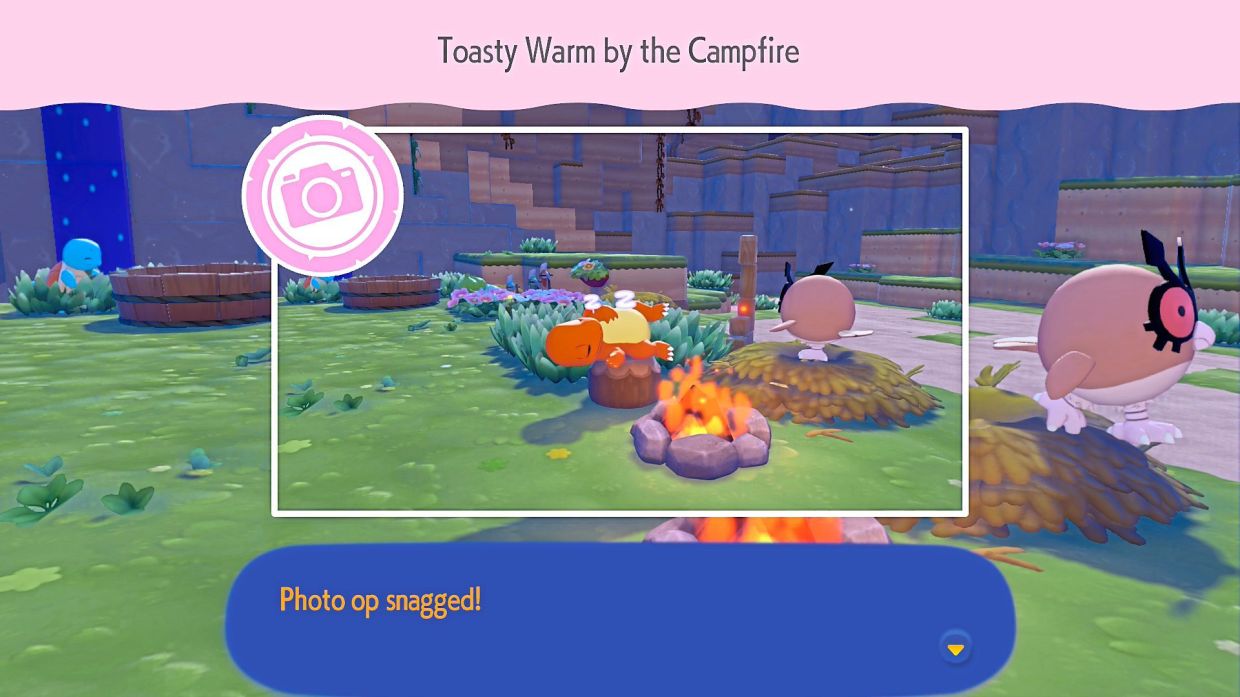
If you love the idea of playing a peaceful game where the mechanics enable creativity and rewards you with friends, and/or enjoying a story that has a surprisingly heartfelt core (especially if you're a pet owner), then Pokemon Pokopia is a strong five-star recommendation from me, and a dang good reason to buy a Nintendo Switch 2.
OK, review and recap over, now let's talk about the design lineages!
The Sims(ulation)
You'd think that since I've already mentioned Minecraft I'd start with that game, but nope! Let's rewind time farther back to 1989, when SimCity was released, and talk about early simulation games.
In an era dominated by action-based arcade-style games, SimCity came in as basically a fun level editor. There was no structured endgame to pursue, or narrative to follow to a climax. It was one one of the earliest games to embrace open-ended gameplay.
This eventually evolved into The Sims (2000), which went from city building/urban simulation to home building/social simulation. The popularity of The Sims proved that yep, there's an appeal to watching digital people running around living their digital lives, and video games can totally work as toys. (i.e. things you play with no explicit goals, other than the fun of the play itself.)
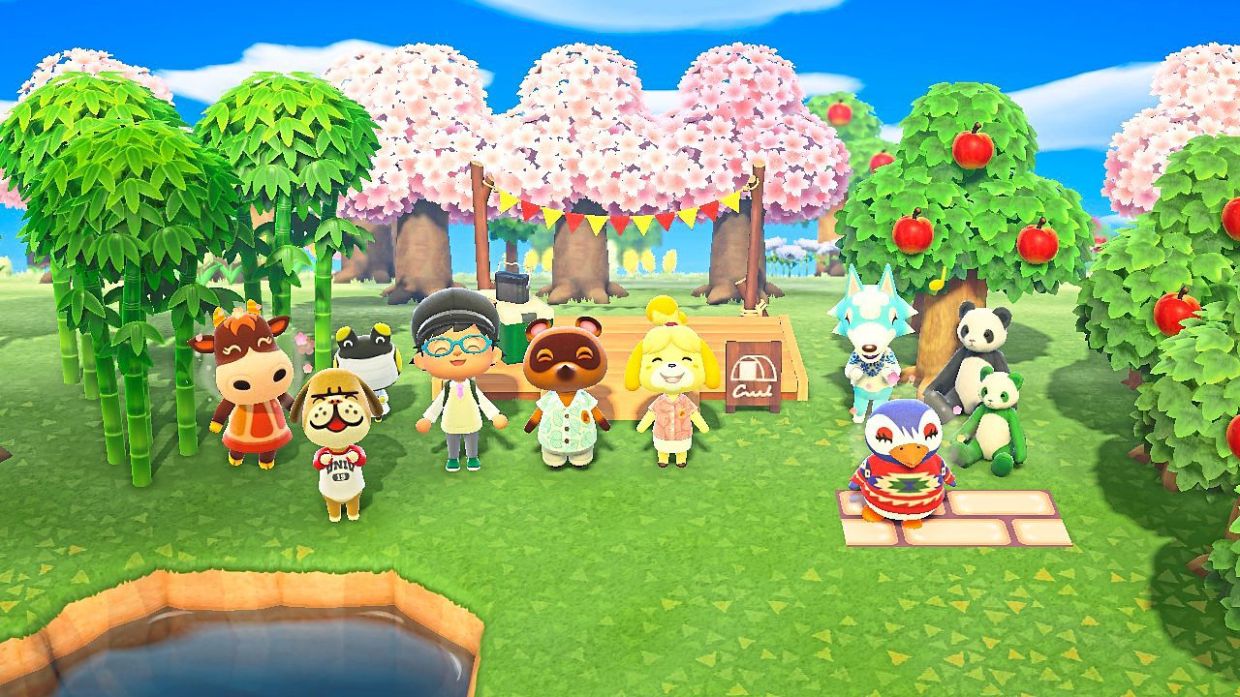
Meanwhile, in Japan, the first Animal Crossing was released in 2001 and proved that sometimes the best thing a game can do is let players make friends. Done right, and some players will get really attached to their digital buddies. Unlike Western social sims which took a gods-eye view, here you're playing a character inside the simulation.
One note here is that Animal Crossing series focused much more on social simulation than "level editing" the mechanics for shaping the world (i.e. Island Terraforming) only came much later in Animal Crossing: New Horizons (2020).
Mine the world
Now let's jump evolutionary lines to Minecraft (2011), which really set the standard for blocky "world-shaping" mechanics. While RPGs had previously introduced the idea of letting players customise their characters (e.g. assigning skill points), Minecraft popularised the idea of letting players customise the very world they're playing in.
Minecraft (specifically, its Survival mode, as opposed to its even more open-ended Creative mode) essentially spawned a whole new genre of "open world survival-crafting" games like Terraria and Core Keeper.
This evolutionary line often has a distinct Man vs World feel, where you grow stronger to conquer the environment. You mine stone so you can mine iron so you can mine diamond, and now you've gone from cowering from Creepers in dirt huts to slaying the Ender Dragon with the blingiest of gear.
The quest of dragons
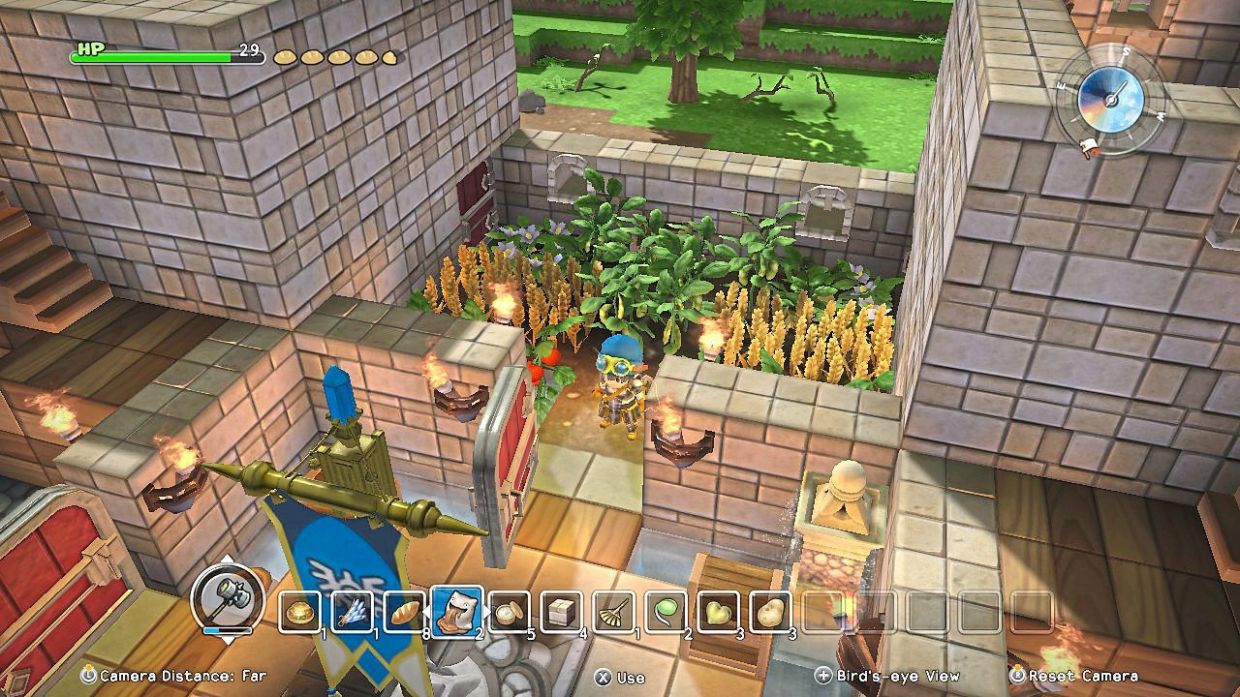
Meanwhile in Japan, some mad developer thought, "okay, what if Minecraft, but with the actual narrative structure of a story-driven JRPG?", and created Dragon Quest Builders, which takes place in a post-apocalyptic alternate timeline to the first Dragon Quest.
While some other survival-crafting games (e.g. Subnautica, 2018) experimented with adding story to a usually plot-less genre, DQB is an entirely different beast as it's built on the narrative bones of a popular series. Instead of exploring randomly-generated worlds, DQB tasks players with rebuilding the very towns visited by the hero of the first game.
There's a specificity to the world that gives players a distinct sense of place and history. You're not just putting blocks together to make a playhouse – you're creating a home to attract people to once again live in the walled town of Cantlin, which was once protected by a golem.
Dragon Quest Builders 2 (2018) expanded the Builders sub-series by adding new gameplay mechanics (finally, we can move water around!) and seriously expanding on the social simulation aspects already introduced in DQB1. Here, we see the two evolutionary lines from SimCity/Animal Crossing and Minecraft converge – you're not just building towns brick by brick, but building whole communities of people living and interacting together.
Pokopia
This finally brings us to Pokopia, which is practically a direct descendant of Dragon Quest Builders 2. Like DQB, Pokopia puts players in a post-apocalyptic "What If?" timeline to the main series. If you're a longtime Pokemon fan, there's a certain melancholy in seeing the ruined state of familiar towns in Kanto - but also an immense joy in rebuilding them.
But what's really interesting about Pokopia's place in its evolutionary line isn't what the devs added, but what they removed.
See, in Pokopia, there's no combat or fighting whatsoever, which is shocking for a series that has a whole battle system built around super effective attacks. The result is less Man vs World, and more Mon (heart) World.
Your Ditto doesn't grow stronger by gathering materials and crafting stronger gear. Instead, you learn new skills by making new Pokemon friends, and you make new Pokemon friends by building specific habitats, like planting a grass field to attract a Bulbasaur.
In fact, making friends is the core of Pokopia - the devs even added gameplay friction to ensure this. Take the idea of changing the colour of furniture – in other survival-crafting games, you'd be able to do this at a workbench. In Pokopia, you need to rely on Pokemon buddies to make some paint, then ask a Smeargle to do the actual colouring.
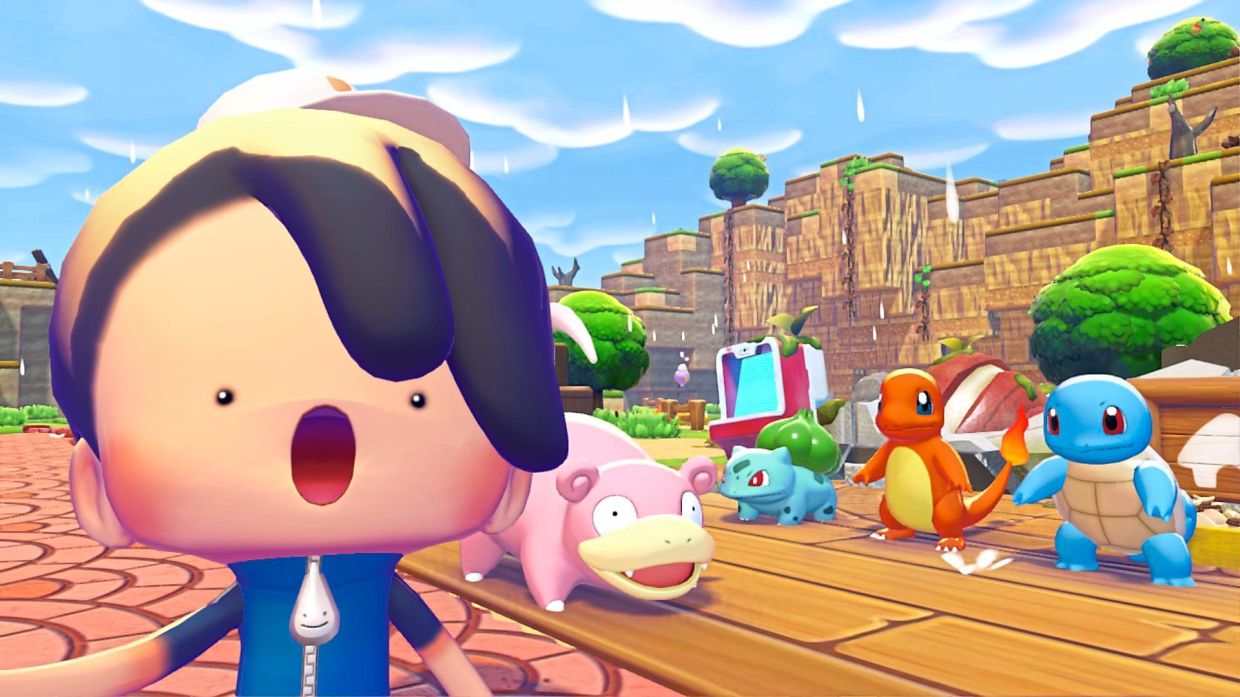
The game gives you a lot of power to shape the world, but it still makes you depend on your Pokemon friends for some matters. This ensures you'll always have one foot in the life simulation, and not view your digital friends from the distant perspective of an omnipotent deity playing in Creative Mode.
(In my case, when I built a giant monument to myself, I took a moment to thank Torchic for baking all 3,000 bricks for me and rewarded him with one Leppa Berry.)
A cosy apocalypse
As much as I gush about great game design, I must stress that Pokopia wouldn't quite work as well as without, you know, the Pokemon. If you transplant the game mechanics to, say, the Super Mario franchise, it wouldn't hit the same.
Pokemon has built-in appeal, and almost everyone has a favourite 'mon. This is why Pokopia's specificity matters – I'm not just building a house for a random brown cat/dog creature in a procedurally generated world for points; I'm making a mansion for my precious Eevee in Pallet Town because he's a darling.
There's also an emotional layer to the game's overarching story that I suspect will only make sense to pet owners. As you make more Pokemon friends, many will wonder where the humans went, and many will reminisce on the good times they've shared with human partners. Some, like your guide Professor Tangrowth, will even try to find out where the humans went, and how to bring them back.
I don't know about you, but I always got the impression that the Pokemon here are like pets waiting patiently at the door for their owner to come home, and my heart breaks thinking if it were my cats waiting long years for me to return.
(Well, actually, my cats don't give a darn about my existence since they know my mum's the one who feeds 'em, but the heartfelt sentiment remains.)
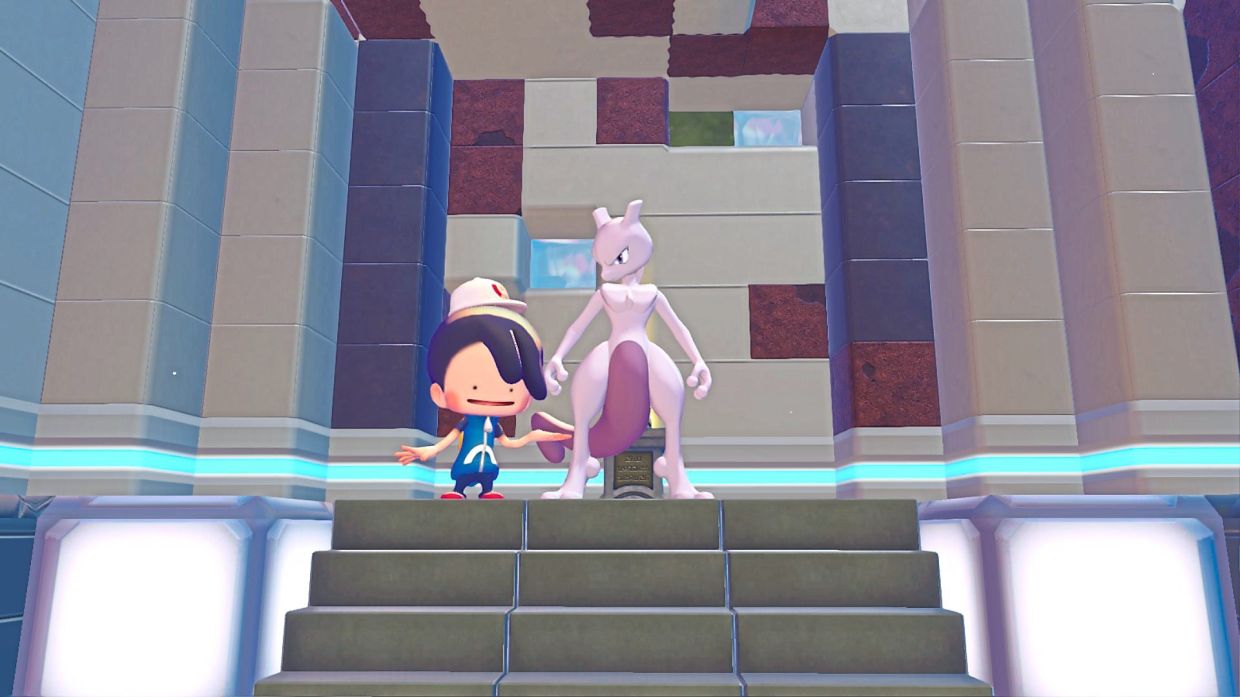
As a result, I made a vow that if my Pokemon friends were to live in the ruins of human civilisation, then I'll dang well make sure it's the cosiest post-apocalyptic world possible.
I told you – done right, some players get really attached to their digital buddies.
Poco a Poco
A friend told me that there are two kinds of Pokopia players on social media: the Animal Crossing veterans who build beautiful, exquisite habitats for their beloved 'mons (often shared as photos with a sepia filter); and the Minecraft maniacs who build megaprojects like a Singapore-sized Charizard or a functional computer inside the game.
I thought that observation was hilarious and accurate, but it also made me appreciate how Pokopia lets players take the game in such different directions.
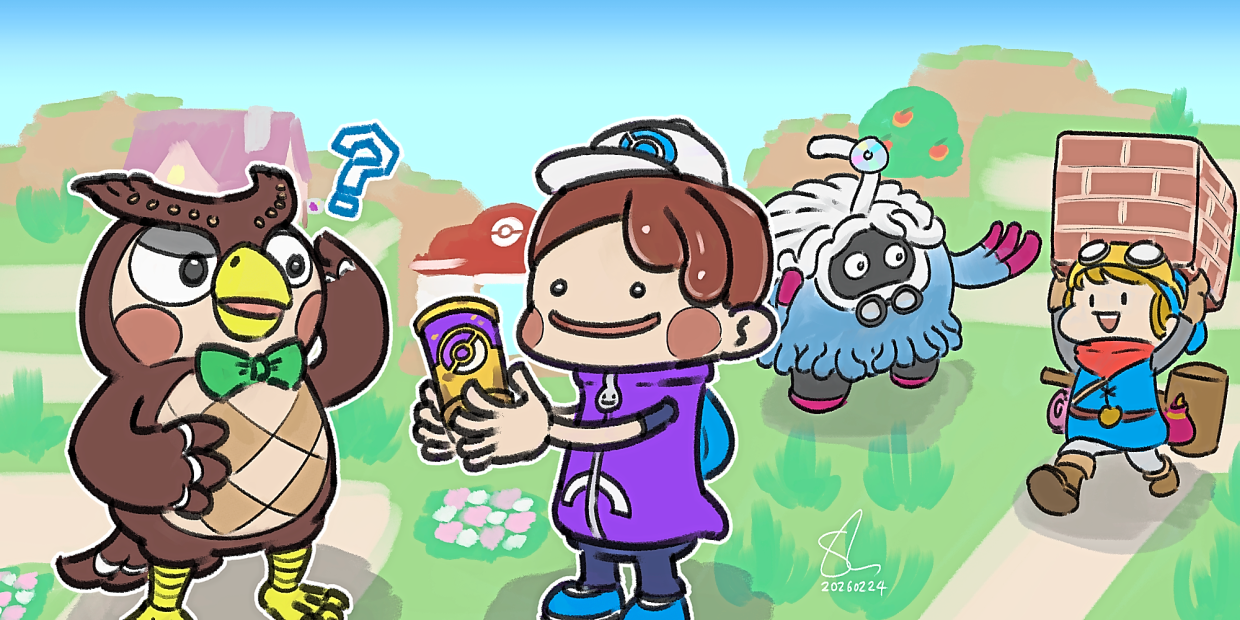
The game's Japanese title – Poco a Pokemon – seems to be a play on the musical term "poco a poco", or "little by little". The game's name and design guides players to play at their own pace, to enjoy the journey, and to take a break when they need to.
And you know what? After about two straight months of Pokopia, I think I'm finally satisfied. My beloved Pokemon buddies are now living in a thriving community I've built from scratch, and I feel like I'm ready to start exploring other games again. Thank you, Pokopia.
Now, let's see what's going on in Pokemon Go!