
It was time for Monster Hunter Stories to grow up. Capcom’s spinoff of its popular action role-playing game started as a Pokémon-like adventure, one in which players rode monsters instead of slaying them. They collected all sorts of Monsties and teamed up with them in turn-based combat. Like its anime series, the game targeted a younger generation, drawing them into the world of giant swords and wyverns.
The sequel aged with the fanbase, offering greater complexities and grander storytelling while maintaining the rider motif and youthful protagonist. The latest chapter, Monster Hunter Stories 3: Twisted Reflection, is the culmination of lessons the developers learned and carries the Capcom series into adulthood.
A TALE OF TWO KINGDOM
It marks the series’ maturation, introducing players to an intricate world set 200 years after the events of Monster Hunter Stories 2: Wings of Ruin. The narrative focuses on two kingdoms, Azuria and Vermeil, which are on the brink of war. A phenomenon called “the encroachment” is spreading, crystallising the world, wreaking havoc on the ecosystem and threatening the survival of both nations.
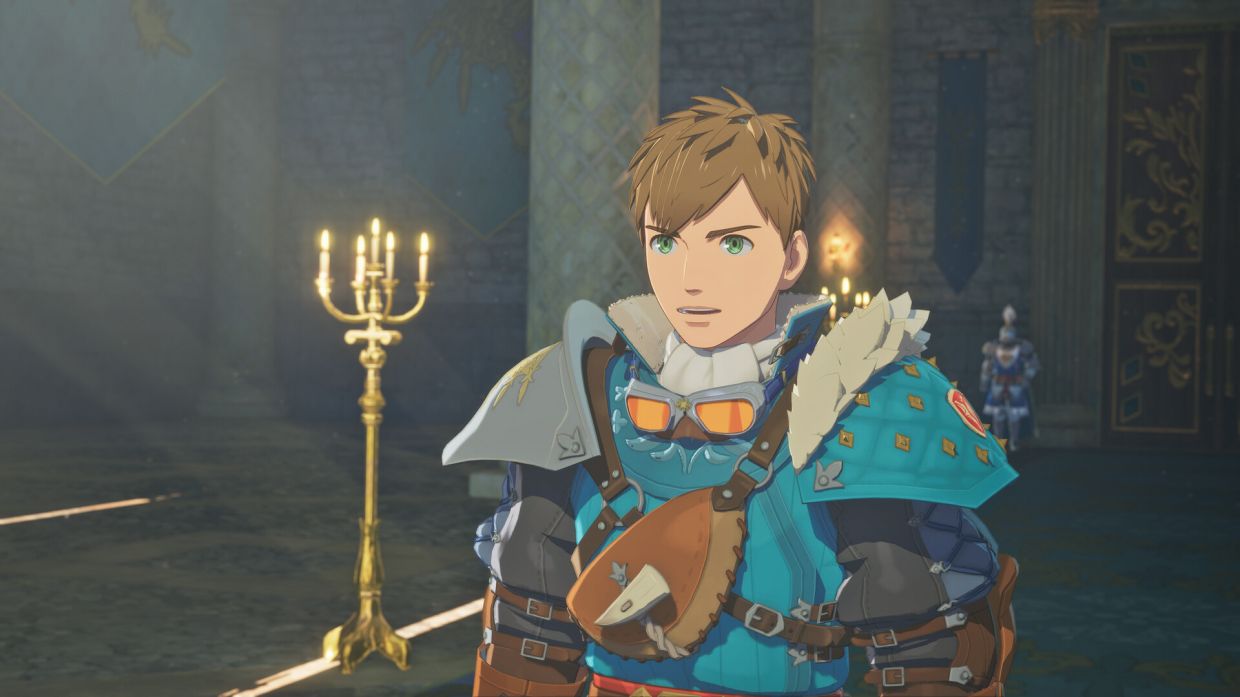
Stepping into the world, players take on the role of an Azurian royal – a customisable prince or princess who also serves as the captain of the Rangers, a group of elite riders who are environmental stewards. They’ve been dealing with the encroachment when Azuria receives emissaries from Vermeil, and peace talks don’t go as planned.
Searching for a way forward, the Azurian royal discovers that the key to the calamity lies in a forbidden place called the Sancrosanct. The captain and the rest of the Rangers venture into the unknown, hoping to find a way to stop the encroachment and defuse a potential war. That journey takes them across four major environments filled with their own monsters and a truth that echoes the lore of Monster Hunter Wilds.
A LOOK AT COMBAT
With Twisted Reflection, Capcom further refines the combat system and the Monstie raising from the previous game. Wings of Ruin introduced double attacks and weapon switching that added complexity to the core rock-paper-scissors mechanics. The third entry adds a stamina bar that lets the hero and creature use skill moves against beasts. By targeting an enemy body part and breaking it, players can deplete its Wyvernsoul gauge, opening it to more attacks or they can stun it to stop an attack and alter the tide of battle.
Intertwined in the turn-based combat is the Kinship Gauge, which increases each turn, and when full, it lets the captain ride atop a partner Monstie to deal more damage to a foe. Capcom does an excellent job at making all six weapons feel useful, so that players can fulfill different roles on the fly in battle. The game also makes item use more important, and even key to some more intricate confrontations.
The combat effectively translates the visceral gameplay of the main titles into a turn-based format. It’s distinct from other Japanese RPGs, while also boasting a surprising amount of depth. Series veterans fluent in beasts’ strengths and weaknesses will have no problem figuring out how to counter attacks and how to handle their enraged states.
EGG COLLECTING
The other end of the Monster Hunter Stories formula is the egg collecting. Players need to build out their roster of rideable creatures, and they do that by entering dens and grabbing the eggs. The developers refined this aspect of the game by streamlining how players obtain them, letting them dash in and out. Players can still switch out genes and craft a creature so that it has better stats and moves.
Players can beat the game with solidly crafted monsters, but to obtain the best creatures, players will need to explore the nooks and crannies of each map and battle invasive species. These are more intricate battles, but they reward players with rare eggs and fan favourite monsters such as Zinogre, Mizutsune and Nargacuga.
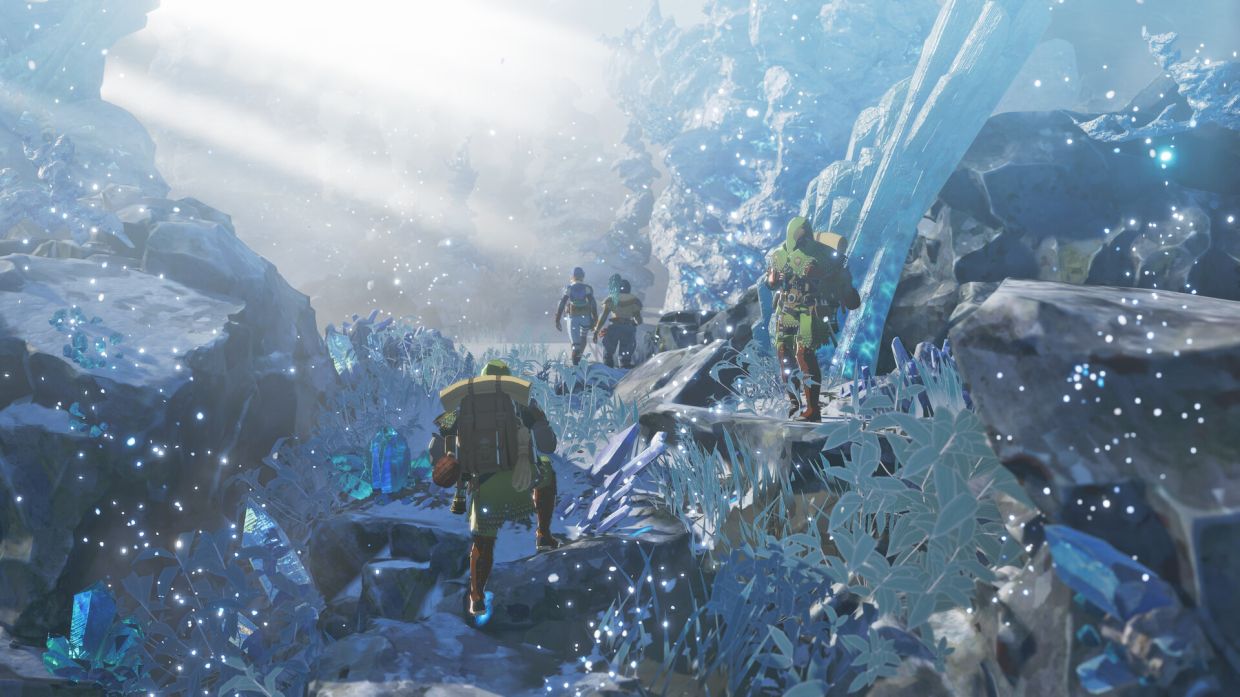
The developers added another layer to this by also adding a system called habitat restoration. After harvesting and hatching eggs, players can release some of the unneeded creatures into the wild. This boosts the rank, and by experimenting with this mechanic, players can uncover mutations and deviants, the rarest and most powerful variants.
This is the best part of Twisted Reflection, and it scratches that Pokémon collection itch. It’s also more rewarding as they see these powerful monsters lay waste to the creatures standing in players’ way. It makes up for a story that’s more political, but also less intriguing or tight as previous entries.
One reason the narrative doesn’t hold together as well is that this captain has too many Ranger allies, and many of their side stories fail to stand out. They aren’t as memorable as some of the characters from previous chapters such as Ena or Lilia.
Although that element of Monster Hunter Stories 3: Twisted Reflection stumbles, the rest of the game is impressive and shows how Capcom fostered a spinoff until it could stand on its own as a legitimate franchise.
Monster Hunger Stories 3: Twisted Reflection
Three stars
Platforms: Nintendo Switch 2, PlayStation 5, Xbox Series X and Series S, PC
Rating :Teen
– Bay Area News Group/TNS