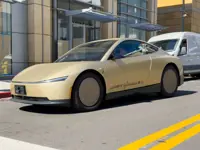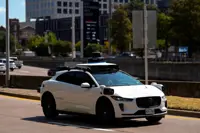
The promise of self-driving cars and robotaxi fleets once seemed just around the corner, but reality is setting in. Makers of the underlying technology are pivoting to more realistic ways of making money in the here and now.
Among the most expensive components of autonomous vehicles are laser-based sensors that allow a car’s computer to “see” its surroundings. As automakers push back timelines for introducing self-driving models, companies that specialise in these laser sensors, known as lidar, are targeting more limited features for passenger cars that will go into production in a few years. That’s a shift from the driverless fleets once at the center of manufacturers’ strategies.
Already a subscriber? Log in
Get 20% OFF The Star Digital Access
Cancel anytime. Ad-free. Unlimited access with perks.