
MAKING a home more energy-conscious does not require a major overhaul or expensive upgrades.
More often, it starts with small, everyday choices – switching off the fan when leaving a room, using the air conditioner more mindfully, investing in energy-efficient appliances or simply paying closer attention to household energy use.
As global energy prices continue to fluctuate, more Malaysians are discovering that greater awareness can make a difference.
By understanding their consumption patterns and making small adjustments to their routines, households across the country are proving that when it comes to energy use, small choices can lead to meaningful savings over time.
For Foo Pei Ling and her husband, that journey began with a closer look at how they used electricity at home.
Small changes, smarter choices
For the Subang Jaya couple, managing their home has always been about making smart, practical choices – from planning their monthly expenses to finding ways to run their two-bedroom apartment more efficiently.
Last year, they began using the Energy Budget feature on the Tenaga Nasional Bhd (TNB) app, which allows users to set a monthly usage target, compare consumption with previous months and track daily usage.
“We felt it would give us a clearer picture of our electricity habits – how much energy we were using, when consumption peaked and where they could make small changes,” Foo explains.
“Groceries, petrol, utilities – it all adds up, so I wanted to have a better idea of where our money was going,” she adds.
Soon, small tweaks became part of their everyday routine. Instead of running frequent loads, laundry is now done once a week, while bulky items such as bedsheets are sent to the laundry.
When heading back to Melaka on weekends, they use light timers, switch on the air conditioner only before bedtime and turn off appliances such as the microwave and electric kettle when they are not in use.
For the couple, saving energy is less about making big lifestyle changes and more about being mindful of the little habits that add up.
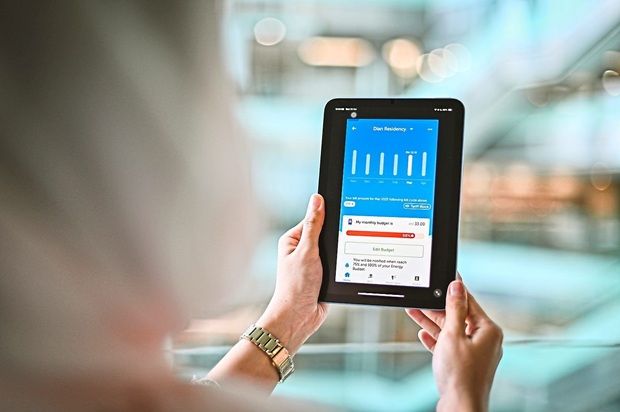
“The savings weren't dramatic overnight, but we definitely noticed our electricity usage becoming more consistent.”
Foo also admits that it took her and her husband some time to understand the Automatic Fuel Adjustment (AFA) mechanism introduced in 2025.
In simple terms, AFA reflects changes in the cost of generating electricity when fuel prices fluctuate.
This means electricity bills can go up or down depending on changes in fuel costs, which are one of the factors that affect the cost of generating electricity.
Understanding how it works helped Foo feel more prepared instead of worrying about unexpected changes in her monthly bill.
It was also a relief for her to know that if their household used 600kWh or less each month, both the retail charge and AFA would be waived.
“That's probably the biggest benefit. We don't get that anxiety wondering if this month's bill is suddenly going to be much higher.”
Every sen counts
For Zuliantie Dzul, who lives alone in a studio apartment, managing electricity costs is about stretching her ringgit.
Recently, she signed up for TNB’s Time of Use (ToU) tariff, a scheme that allows consumers to pay different electricity rates depending on when they use electricity.
Under the tariff, electricity consumed during off-peak hours – from 10pm to 2pm the following day on weekdays, as well as throughout weekends – is charged at a lower rate compared with peak hours, which run from 2pm to 10pm on weekdays.
As a media practitioner who works shifts, Zuliantie found the tariff made complete sense.
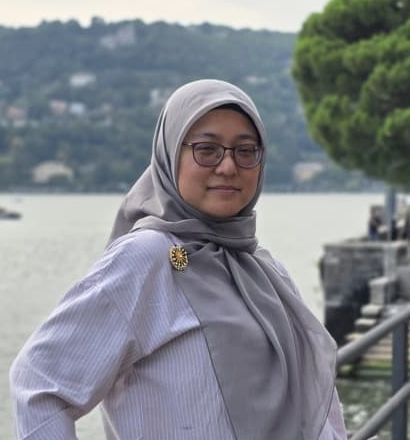
“I felt that the ToU scheme was a small but significant step towards reducing my electricity expenses. Every sen counts, after all.
“Since I live alone, I also saw it as a good way to be more disciplined about how and when I use electricity,” she notes.
She shares that she also only switches on the aircond and water dispenser after 10pm, and switches them off when she wakes up or before 2pm.
For her, saving on bills and having extra cash left over means she can set aside money for the things she enjoys, from travelling and birthday celebrations to concerts by her favourite artistes.
“So, if there's a way to save money, no matter how small the amount, why not?,” she adds.
Long-term investments
While Zuliantie is experimenting with when she uses electricity, Mersing-born Mervin Mathawan has taken a different approach by investing in energy-efficient appliances from the outset.
Despite living in a four-bedroom terrace house in Sungai Buloh and charging an electric vehicle at home, he has managed to keep his monthly electricity consumption below 600kWh – something that often surprises his friends.
“My average monthly electricity bill is around RM140, although it has recently increased to about RM160 because I charge my electric vehicle at home. Without charging the EV, it would probably be RM50 to RM60.”
He credits much of those savings to choosing energy-efficient appliances throughout his home.
“All of the air conditioners that I use regularly are inverter models, and I usually set them at 24°C or 25°C instead of a lower temperature,” he shares.

Besides using inverter air conditioners, he has switched all of his lighting to LED bulbs, installed ceiling fans with DC motors instead of conventional AC motors, and opted for energy-efficient water heaters.
Although these appliances cost more upfront, he says the investment has paid off through lower monthly electricity bills.
“Setting up my first home was a great learning experience. I realised that making the right choices from the start could have a big impact on my electricity consumption in the long run.”
As electricity costs continue to fluctuate, understanding and managing energy consumption has become more important for households.
Today, consumers are no longer limited to simply adjusting their usage. From tracking daily consumption through the myTNB app and shifting usage to off-peak hours with ToU, to investing in energy-efficient appliances and exploring solar solutions, households have more ways to make every unit of electricity count.
Visit www.mytnb.com.my/tariff to find the latest AFA rates, projected rates, and more information about the electricity tariff mechanism.