




HOMEOWNERS are no longer choosing home appliances based solely on brand familiarity.
Rising electricity costs, smaller home layouts and a desire for connected living are driving a shift towards appliances built on reliable engineering, energy efficiency and functional design.
To meet these evolving lifestyle needs, The Creative Life (TCL) brand – widely known as a global leader in display technology – has expanded its industrial footprint to deliver a complete home ecosystem spanning air conditioners and refrigerators to washing machines and televisions.
Designed with the consumer in mind
A key driver of TCL’s global expansion is its commitment to user-first design.
Since 2020, the brand has earned over 100 prestigious global design awards, including the German iF and Red Dot Design Awards.
This recognition highlights TCL's focus on designs intended to suit the needs of modern, high-density urban living while also being aesthetically pleasing.
AI-precision and control on the production line
Supporting the crafting of reliable appliances is an advanced manufacturing infrastructure designed for operational accuracy. Inside the TCL Air Conditioner Guangzhou Intelligence Manufacturing Base, the scale of smart automation is clear to see.
Built from the ground up as an ‘AI-native factory’, the factory relies on its AI Comprehensive Intelligent Command Centre to oversee real-time decision-making and production scheduling.
According to the facility's general manager, Li Xinan, the central system is capable of executing 30 petaflops calculations per second and processes data from over 17,000 IoT sensors deployed across flexible, automated assembly lines.
The same level of manufacturing precision extends across TCL's white goods plants.
On its refrigerator production lines, automated stamping presses produce a complete metal cabinet shell every 15 seconds, while AI-powered computer vision systems inspect each unit's exterior finish for cosmetic defects before final assembly.
To maintain quality control, products also undergo multi-tier inspections: Material Quality Control (MQC), Process Quality Control (PQC) and Outgoing Quality Control (OQC) – all backed by an internal worker incentive programme that financially rewards staff who spot workflow lag and suggest optimisations in the assembly line.
Purpose-built technology
TCL's research and development strategy focuses on solving practical, everyday friction points of households across four core home appliance categories.
Smart cooling
In Malaysia’s humid, tropical environment, conventional air conditioners often over-cool spaces in an attempt to manage humidity, leading to uncomfortable indoor drafts and excessive electricity consumption.
To address this, TCL engineered its technology around active intelligence. “We have transformed the air conditioner from a passive response unit into an active intelligence service,” noted Li.
“Through extensive local market research, we recognised that over-cooling causes physical discomfort,” he added.
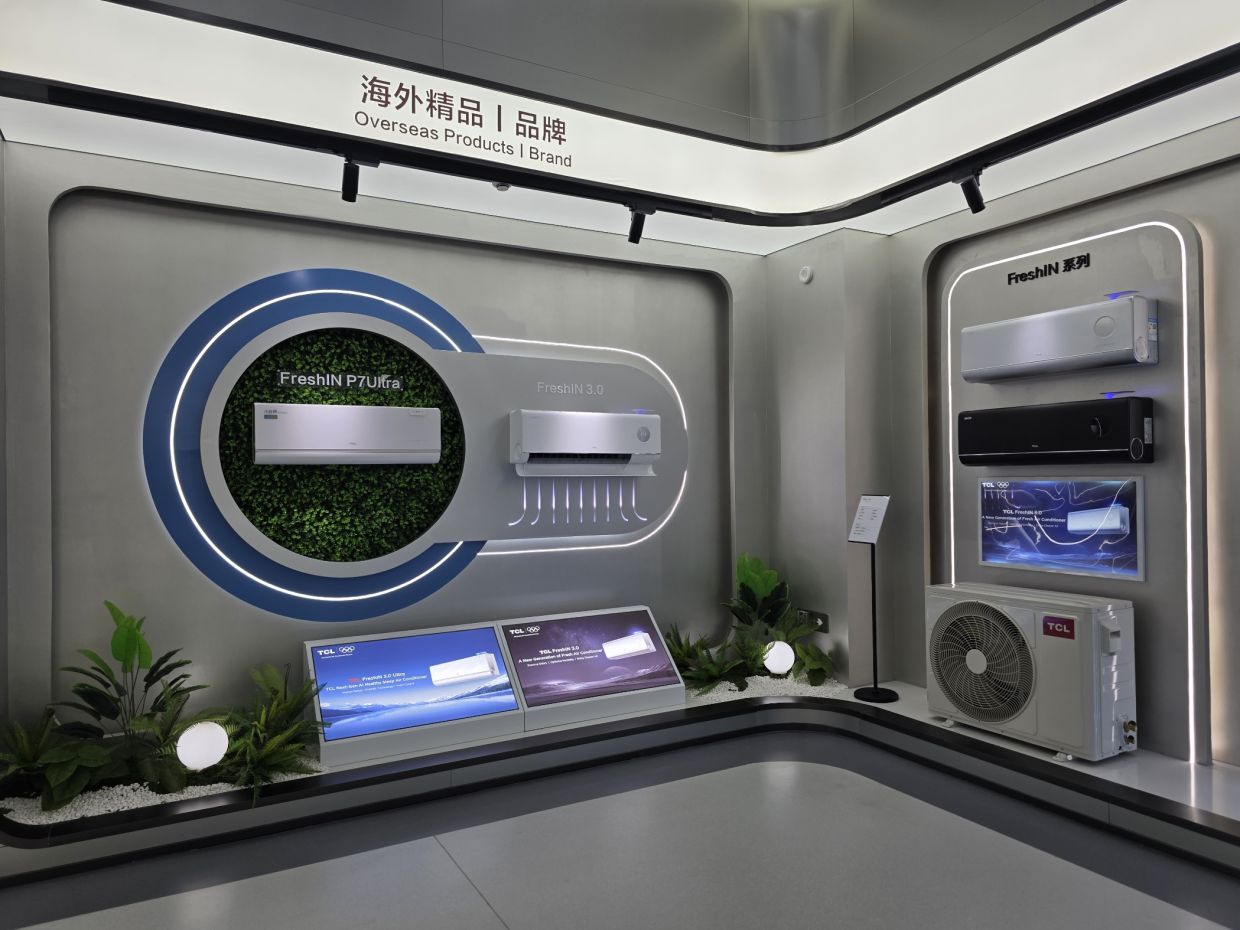
For energy management, the embedded T-AI chip utilises deep-learning models to predict indoor thermal load shifts and adjust compressor frequencies efficiently.
Certified by the independent SGS testing authority, TCL air conditioners operating in AI ECO mode achieve an energy-saving rate of up to 37% over a three-hour period compared to standard operating modes, a tangible relief on monthly electricity bills.
Improved food preservation
Malaysian kitchens often store a variety of aromatic ingredients, sauces, and fresh produce together, which may lead to odour transfer.
To address this, TCL refrigerators combine a dual-cooling system with all-around purification for cleaner, well-segregated food storage. By utilising independent cooling circuits for the fridge and freezer, this system prevents air from cross-circulating between compartments, preserving the original tastes without flavour transfer.
Complimenting this is TCL’s All-Around Purification technology, which features T-Fresh in the fridge and Pure Air in the freezer, actively reducing bacteria, deodorises storage spaces and keeps food fresher for longer.
For long-term storage of seafood and meats, traditional freezers freeze food slowly, creating large ice crystals that puncture cell walls which can leave meat dry, gray and tasteless once defrosted.
“Traditional preservation relies on external temperature and humidity control, which doesn't penetrate deep into the food structure,” explained TCL white goods business unit (refrigerators) product line deputy general manager Andy Li.
"TCL’s solution incorporates -40°C Deep Freezing paired with Magnet Fresh 360°.
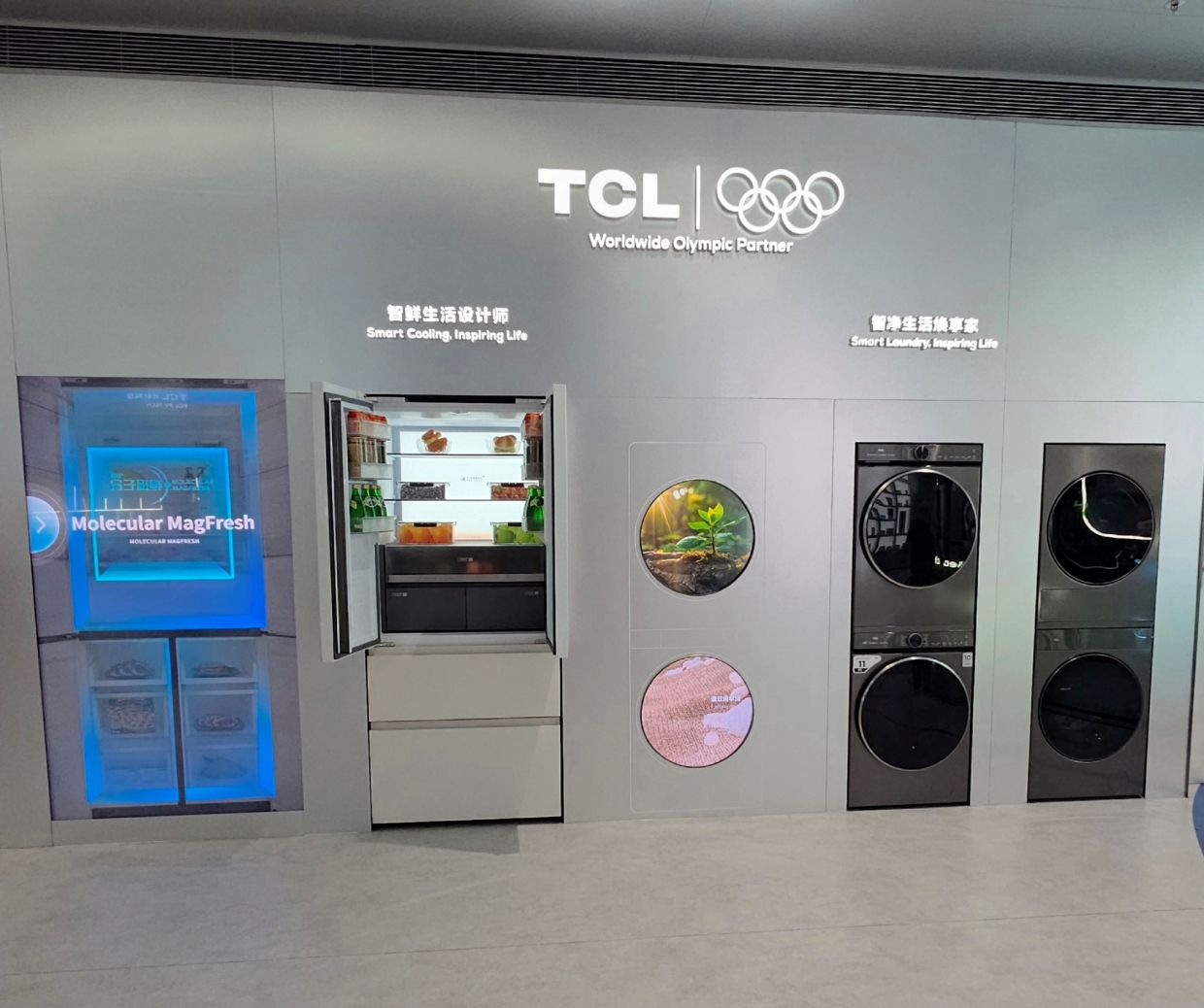
“By accelerating the freezing process, we prevent sharp ice crystals from puncturing cell walls, drastically reducing nutrient and moisture loss during defrosting.”
To maximise internal capacity, TCL utilises a new 100μm low-density micro-pore insulation material.
This high-efficiency thermal layer reduces cabinet wall thickness by 10%, giving home owners up to 50 liters of extra internal storage capacity inside a compact outer frame.
Cleaner washing, better clothes
It is common for Malaysians to change clothes frequently in a day due to the hot and humid weather, leading to daily stacks of laundry.
However, standard quick-wash cycles on conventional machines often may not clean sweat-stained clothes effectively.
“We focus our development on four core pillars: performance, health, intelligence and design," said Swain Shan, TCL white goods business unit deputy general manager and washing machine product line general manager.
“Through our Super Drum technology, we provide an industry-leading 540mm drum diameter.
“A larger drum diameter increases drop height during the wash cycle, delivering a cleaner wash while minimising fabric wear.”
To address this, TCL engineered a specialised Turbo Speed mode for South-East Asian usage habits. It cuts a standard 49-minute cycle down to 38 minutes without compromising wash cleanliness, helping busy households save time, water and electricity.
For late-night laundry loads, users will not have to worry about disturbing family or neighbors, as TCL machines are tested across specialised acoustic labs to keep spin-cycle noise strictly below 70 decibels. Higher-end models also feature Generative AI that evaluates load weight and soil levels to automatically set optimised wash parameters.
Shan added that TCL's global manufacturing strategy heavily incorporates ESG principles, focusing on recyclable materials and reduced energy consumption at both the factory level and inside the home.
Bringing cinema-grade visuals home
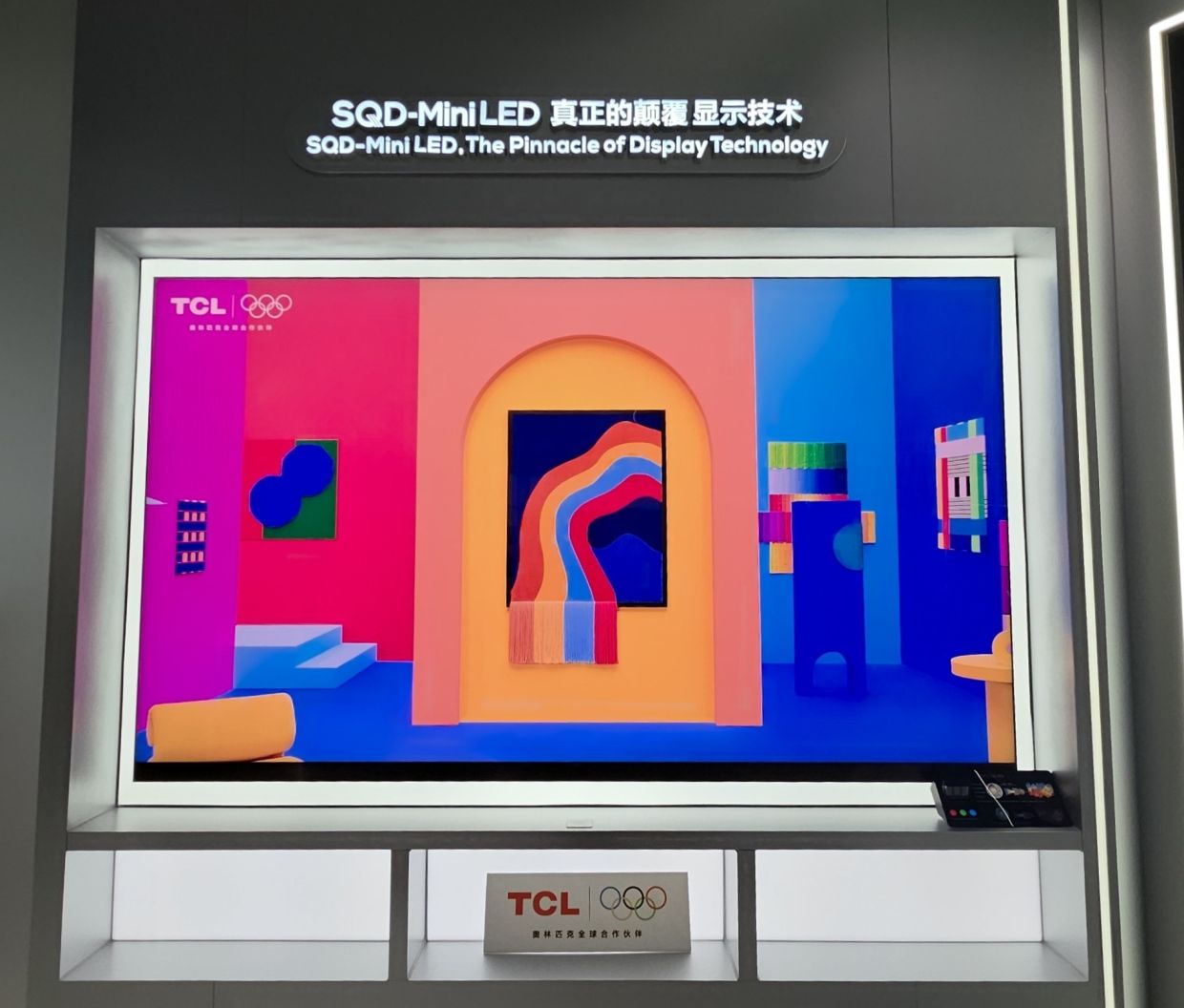
As the television remains the central anchor in any living room, TCL continues to advance its flagship display technology.
Conventional LCD screens rely on a single uniform backlight, where liquid crystal ‘windows’ cannot block light completely, often resulting in light leakage and muddy dark areas.
TCL’s Systematic Quality Display-Mini (SQD) LED technology eliminates this limitation by utilising thousands of independent local dimming zones.
By pairing precise light control with SQD quantum dot materials, this line of screens achieve high peak brightness and deep contrast, producing rich colours accurate to the BT.2020 color gamut.
For gaming and movie enthusiasts, higher-end models combine high refresh rates with ultra-slim profiles measuring as thin as 20mm, forming an immersive home entertainment hub.
Made for the modern Malaysian home
By combining AI-driven manufacturing, award-winning industrial design and technology tailored specifically to the needs of the local market, TCL is proving that modern home appliances can deliver on durability, high performance and smart connectivity in a cohesive package.
To explore TCL’s full catalogue, visit their official website


