WHEN filmmaker Barney Chua wrapped filming in Chiang Mai, he bid farewell to Aom Kwanpiromtara Suksri with a hug and a brief “take care”.
It was only after he walked away that the words began to weigh on him.
“I suddenly thought to myself – what a strange thing to say,” Chua reflects.
He was leaving Aom behind in a city where seasonal haze is a suffocating annual reality, with air quality often exceeding the World Health Organisation's safe limit.
As the co-founder of Biochar Life, Aom spends her days training smallholder farmers to adopt biochar instead of burning agricultural waste openly.
Her work however, is deeply personal. Her daughter was born with respiratory complications linked to poor air quality, making Chiang Mai’s haze impossible to separate from home life.
What struck Chua was how Aom’s activism began not with climate targets or policy, but simply, the instinct to protect her child.
“When a mother talks about her child struggling to breathe, the conversation becomes deeply human,” says Chua, the director of Grab’s new slate of documentaries.
This profound realisation set the emotional anchor for the three documentaries, which follow environmental advocates, persons with disabilities (PWDs), and single mothers across South-East Asia.
Filming fortitude
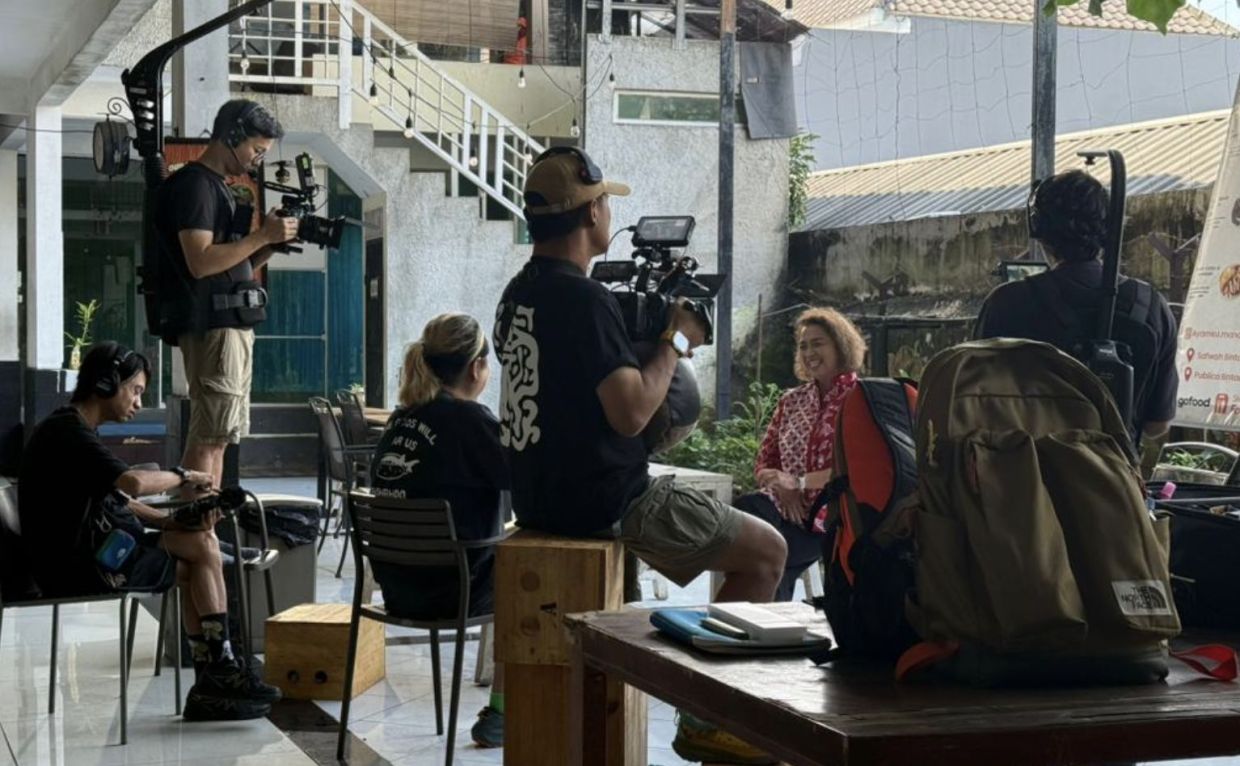
For Chua and his crew, filming was easy; earning trust of his subjects was not – and with that trust came responsibility.
“A lot of times when people talk about poverty or hardship, the storytelling immediately becomes about pity. But for us, the challenge was balancing intimacy with dignity.”
Chua believes authenticity comes from time spent with people to gain a deeper understanding of their everyday lives.
“Their routines, values, and principles tell you far more about them than dramatic moments ever could,” he confides.
That philosophy shaped the way he approached his subjects, including Sam Sothea, the general manager of Hydrologic.
The Cambodian social enterprise manufactures ceramic water filters that remove harmful bacteria from drinking water, but Chua quickly realised the story was not about filtration technology.
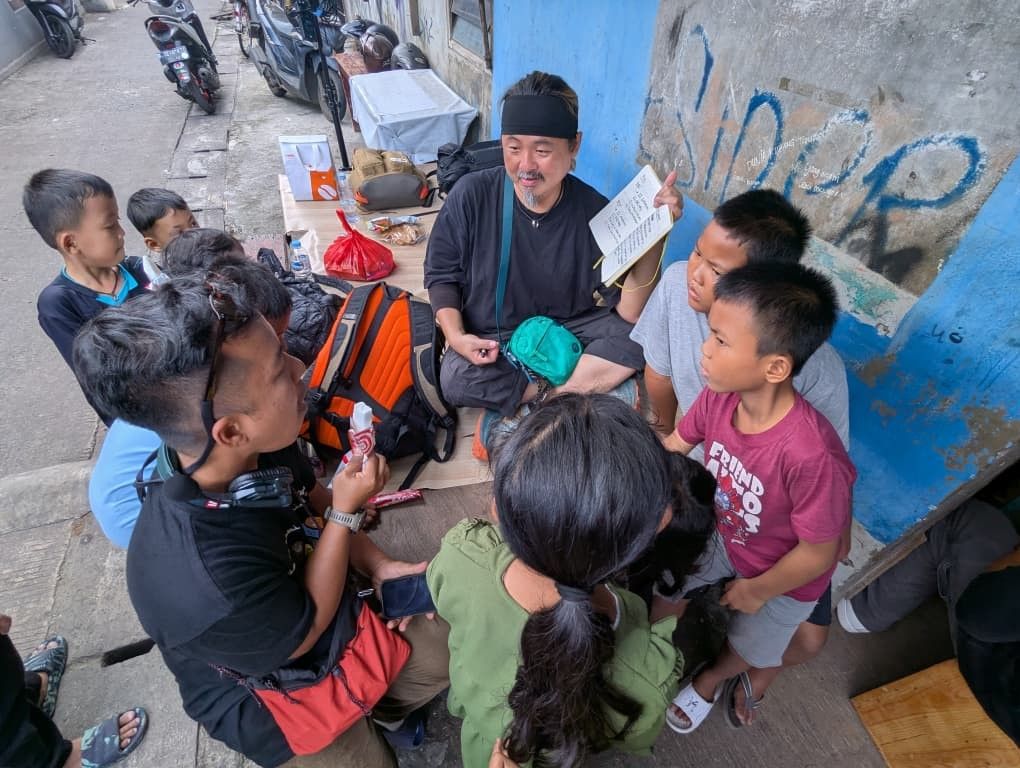
Sothea had a family member who fell ill due to water contamination, transforming what could have been a technical conversation about clean water into something deeply personal.
Rather than accepting the reality faced by many rural Cambodians, Sothea dedicated herself to expanding access to affordable water filtration, helping families avoid the same tragedy she experienced.
In Indonesia, Eko, an amputee rider who lost his right hand in an accident before learning to ride a modified motorcycle, left an impression on Chua.
The crew expected a narrative centered on trauma, but found the opposite instead.
“We kept wondering why he wasn't grieving the loss of his arm more openly. But to him, survival was more important than grief.
“He even asked us what was so special about him working hard for his family. To him, it was obvious: his family needed to live, so he needed to work,” Chua recalls.
He adds that Aom, Sothea and Eko were reminders that people rarely see themselves through the same lens as outsiders.
The same unyielding strength emerged among the single mothers he filmed.
Many had survived domestic abuse, navigated the stigma of divorce or rebuilt their lives from scratch through upskilling programmes and employment opportunities.
At the outset, Chua and his team were curious about the events that had shaped their lives.
But as filming progressed, their origin stories became secondary to their roles as breadwinners, caregivers and core pillars of their communities.
Realising their stories were not at all about hardship, Chua points out they are, at their core, about resilience, hope and perseverance.
“I was humbled by their strength and optimism. They wanted to stand on their own two feet. Even when the odds were stacked against them, many still insisted on working and supporting themselves before seeking help.
“Most of them were not fighting only for themselves anymore. They were fighting for their children,” he says.
Power of interdependence
One of Chua’s most revealing discoveries was that resilience rarely exists in isolation. True independence, he observed, begins with interdependence.
The documentaries spotlight the vital role grassroots networks play in helping individuals rebuild their lives and thrive.
Across South-East Asia, Grab collaborates with many of these organisations through its ESG initiatives, connecting communities to skills training, income opportunities and support systems that empower greater independence and long-term resilience.
Fika Chasasmeta for example, established Komunitas Ojol Tuna Rungu Indonesia (KOTRI) after witnessing how many PWDs struggled to access stable income opportunities.
She tells Chua, she created the support network for PWDs such as Eko, so they can build livelihoods with dignity and independence instead of begging or relying on family members for handouts.
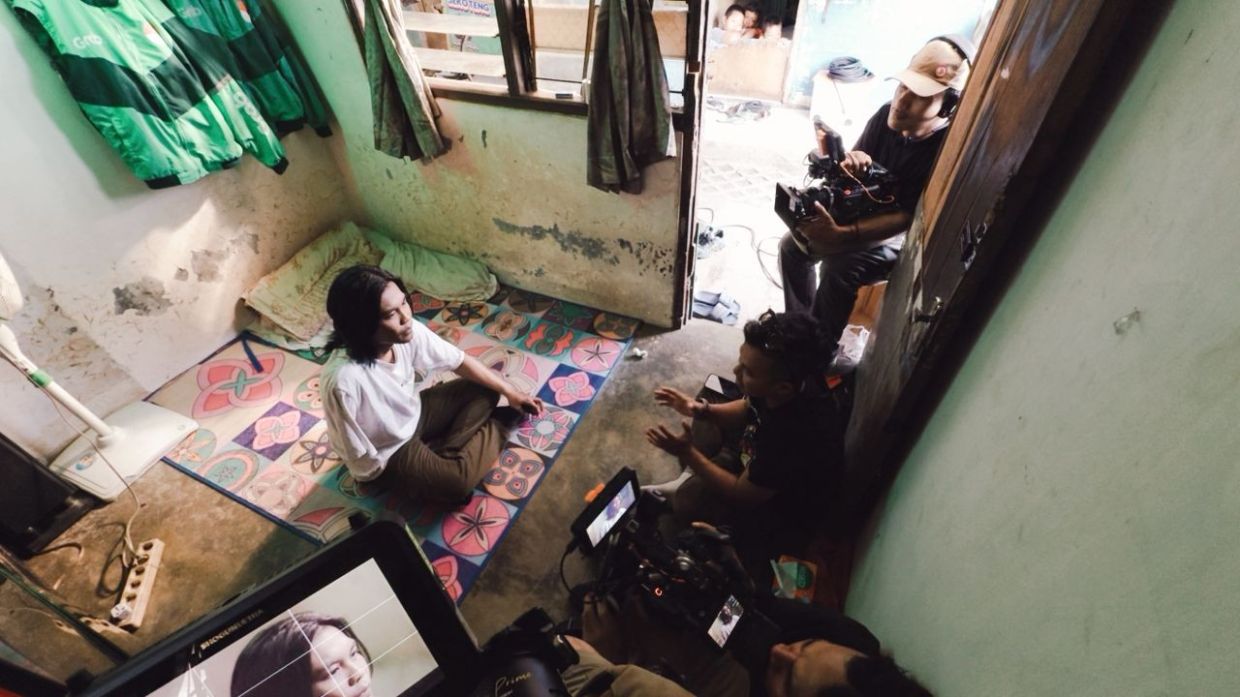
In Malaysia, organisations like Persatuan Pemandu E-Hailing OKU Fizikal Malaysia (PPEOFM) provide a vital support network for people like Badrul – a single father with dwarfism who supports and raises his seven-year-old daughter through his work as a Grab driver-partner.
Chua found a similar spirit in Maureen Hitipeuw, who founded Single Moms Indonesia after searching for support as a single mother herself.
What began as a Facebook group has since evolved into a nationwide network of more than 1,300 women helping one another rebuild confidence, gain new skills and return to work.
“The world does not naturally bend itself around them. So independence becomes something that is designed, adapted, negotiated, and constantly worked towards through community,” Chua notes.
Seeing the world differently
By the end of filming, Chua found himself returning to one common thread. “Responsibility is a very powerful driving force,” he reflects.
Whether it was a mother fighting for her children, a rider adapting to life after disability, or an advocate working to improve air quality for future generations, each was driven by a commitment to something larger than themselves.
Equally inspiring were the community leaders and NGO founders who had turned personal experiences into solutions that now support thousands of others across the region.
The experience also reinforced Chua's own responsibility as a filmmaker.
“A film cannot solve a world problem. At best, a film can shine a light on issues and help people better understand what others are going through.”
Months after filming wrapped, Chua still finds himself thinking about that farewell in Chiang Mai.
Not because of the pollution or the statistics, but because it reminded him that behind every issue is a person living through it.
“I hope audiences leave the films seeing these individuals the way we saw them: truthfully, honestly, and with dignity.”
Watch the Grab documentaries and discover the stories of resilience, community and hope unfolding across South-East Asia here.