
IN AN era where healthcare needs are becoming increasingly complex and more targeted, the “one-size-fits-all” approach to medical care is undergoing a transformation.
Across Malaysia and globally, there is a measurable shift in how patients interact with medical institutions, with an increasing preference for specialised models that prioritise clinical depth and precision over generalised care.
The local healthcare landscape has historically been divided between large multi-specialty hospitals and niche clinics.
However, specialist hospitals have emerged to bridge a specific gap: a patient’s need for both the comprehensive infrastructure of a hospital and the deep subspecialty expertise of a dedicated centre.
The specialist model is built on core pillars, including:
> Clinical efficiency: Streamlining the patient journey by concentrating expertise, allowing for faster decision-making and diagnosis.
> Subspecialty depth: Ensuring that even within a specialised field, there is a high level of expertise in specific sub-sectors.
> Outcome-based governance: Shifting the focus toward long-term health outcomes and patient safety, reinforced by clinical transparency.
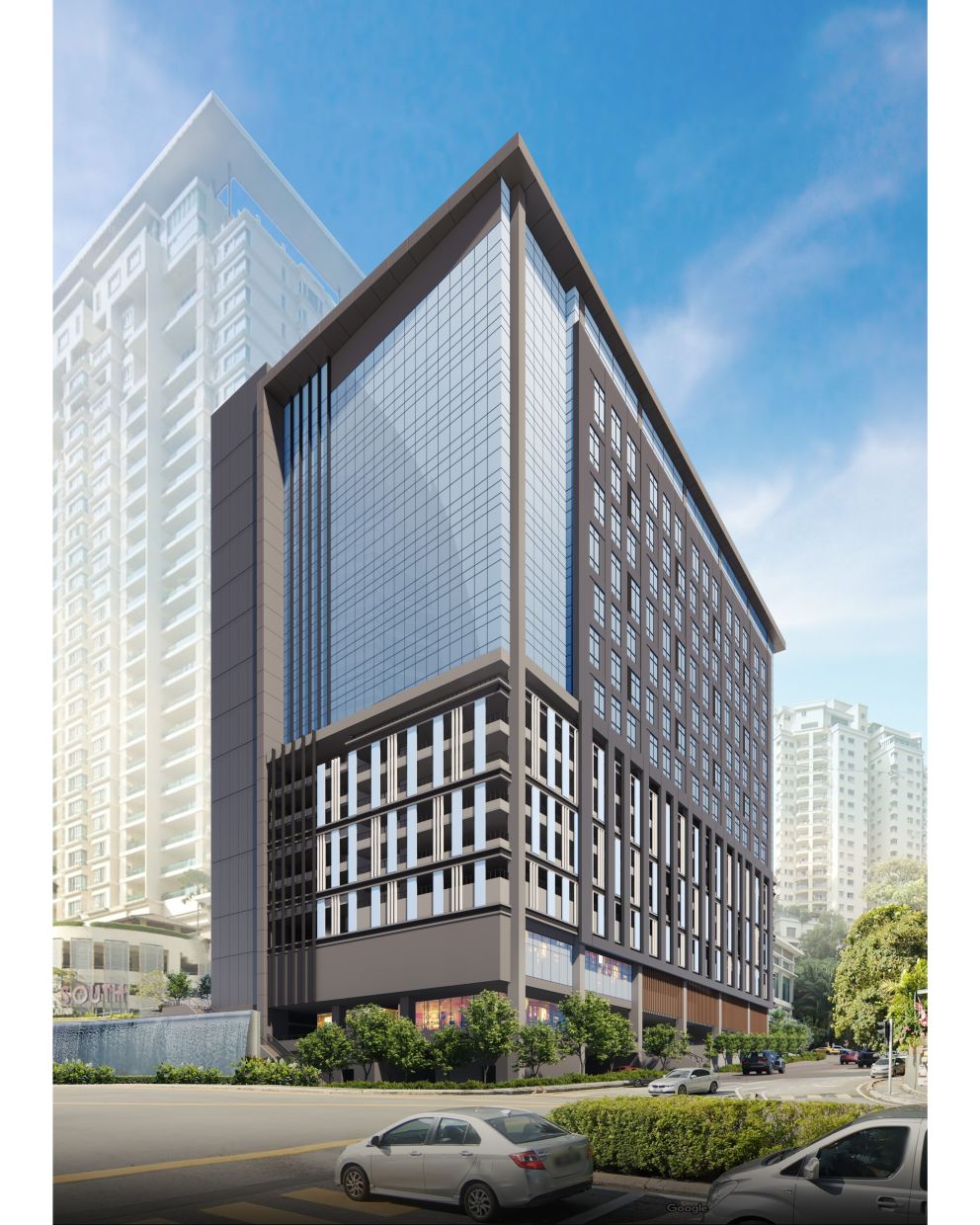
Institutions like Cengild G.I. Medical Centre (CGI) in Kuala Lumpur exemplify this evolution, having been established as a specialist hospital that prioritises defined subspecialties and clinical depth in precision medicine.
With a dedicated focus on gastroenterology, hepatology and metabolic care, the institution’s scale enables it to facilitate a degree of clinical confidence, with CGI performing thousands of endoscopic procedures annually.
This specialised focus ensures that processes are optimised for these specific disciplines.
Additionally, this experience is supported by diagnostic and therapeutic facilities, including fully equipped operating theatres, specialised endoscopy suites and a range of imaging services.
Technological adoption is a hallmark of this specialist model.
CGI was the first hospital in Malaysia to introduce AI Endoscopy, a tool designed to enhance diagnostic accuracy and consistency in early disease detection.
It also offers endoscopy services such as endoscopic ultrasound (EUS) and endoscopic retrograde cholangiopancreatography (ERCP) for complex gastrointestinal and pancreaticobiliary conditions.
Furthermore, CGI’s appointment as a Gastric Balloon Training Centre supports regional clinical education and bariatric endoscopy expertise.
The institution is also recognised under the Malaysia Healthcare Travel Council, serving regional patients and contributing to the nation’s health tourism goals.
Value-based care
In the modern healthcare ecosystem, specialisation is intrinsically linked to the concept of value-based care.
Unlike traditional volume-driven models, value-based care prioritises the quality and effectiveness of medical intervention.
By concentrating on a specific range of medical disciplines within defined subspecialties, specialist hospitals like CGI can streamline the patient journey.
This focused clinical structure ensures that diagnostics, consultations and treatments are handled by dedicated experts, enabling faster diagnosis, targeted intervention and more precise treatment planning.
Empowering patients
Another component of specialised care is the utilisation of advanced medical technologies.
Ultimately, the application of advanced medical tools, from AI-assisted diagnostics to minimally invasive endoscopic techniques, is about empowering the patient.
Precision-led care enables earlier detection, identifying potential issues before they become chronic.
It also allows for treatments that are less invasive, requiring shorter recovery times and offering better long-term outcomes.
For the modern, research-driven patient, this model provides the clarity and evidence needed to make informed decisions about their health journey.
As the nation’s healthcare landscape continues to evolve, the growth of specialist hospitals represents a move toward a more targeted, precise and patient-centred future.
Cengild G.I. Medical Centre
Unit 2-3 & 2-4, Nexus @ Bangsar South,
No. 7, Jalan Kerinchi, 59200 Kuala Lumpur.
KKLIU: 0975 / EXP 31.12.2028