




As workplaces evolve, balance and flexibility are proving to be the new markers of success
SUCCESS in Malaysia’s working world was once measured by how long you stayed in the office, not how well you worked.
The ideal Malaysian worker was the one who stayed the latest, skipped holidays and never said no.
For decades, burnout was worn as a badge of honour, as fireside chat moderator Tehmina Kaoosji recalled at the recent Life at Work Awards (LAWA) 2025 Conference.
Then came the pandemic, when the lines between work and home dissolved completely. Burnout reached its peak, and so did the need for change.
Now, a revolution is underway: Malaysian employers are realising that balance, inclusion and empathy are markers of strength, not signs of weakness.
A new chapter for Malaysia’s workforce
As Malaysia heads towards the upcoming Asean Summit, the nation’s progress on FWA serves as a model for the region: proving that flexible, inclusive workplaces are not only good for employees but essential for business resilience.
As Talent Corporation Malaysia Bhd (TalentCorp) chairperson Wong Shu Qi summed up in her keynote, “FWA are acts of leadership. They show that doing good for people is also good for business.”
She stressed that flexibility is not merely a perk, but a pillar of productivity, noting that organisations embracing flexibility and inclusion tend to record stronger engagement, lower turnover and better performance.

Wong also reminded employers that the future of work must be rooted in humanity. “In this age of AI and digital transformation, our task is to ensure that technology enhances human potential rather than diminishes it. The true measure of progress lies not in automation, but in empowerment.”
Reflecting this approach, the LAWA was first introduced in 2013 by TalentCorp under the Human Resources Ministry (KESUMA), spotlighting companies that go the extra mile to support their people.
Over the years, it has evolved alongside Malaysia’s workforce and now aligns closely with the Madani Government’s vision for a more equitable, compassionate and sustainable society.
This year marks a new chapter with the first-ever LAWA Conference, themed “Driving the Future of Work: Sustainable, Inclusive and Human-Centred.”
Over 500 human resource leaders, employers and policymakers came together to share strategies and explore what progressive work looks like in practice, from flexible work arrangements (FWA) and caregiving support to inclusive leadership and mental wellbeing.
Wong said the conference was designed to bridge government policy and real workplace action in building an ecosystem where every Malaysian has access to meaningful, future-ready work.
Flexibility as a competitive edge
In his keynote speech, Human Resources Minister Steven Sim echoed that well-being and flexibility drive both productivity and competitiveness.
“When we create workplaces that care, where flexibility and wellbeing are valued, productivity follows,” he said.
More than 3,800 organisations and 900,000 employees have already benefited from TalentCorp’s FWA initiatives, with participating employers reporting higher engagement and lower turnover.
He added that the government is strengthening structural support for these practices.
“FWA is now part of our Employment Act, not just a policy idea, but a right that can be formally applied for,” he said.
Beyond legislation, Sim said financial incentives are being refined to encourage participation.
Existing tax incentives for companies that rehire women and implement care-friendly policies are being reviewed to improve uptake and ensure broader impact.
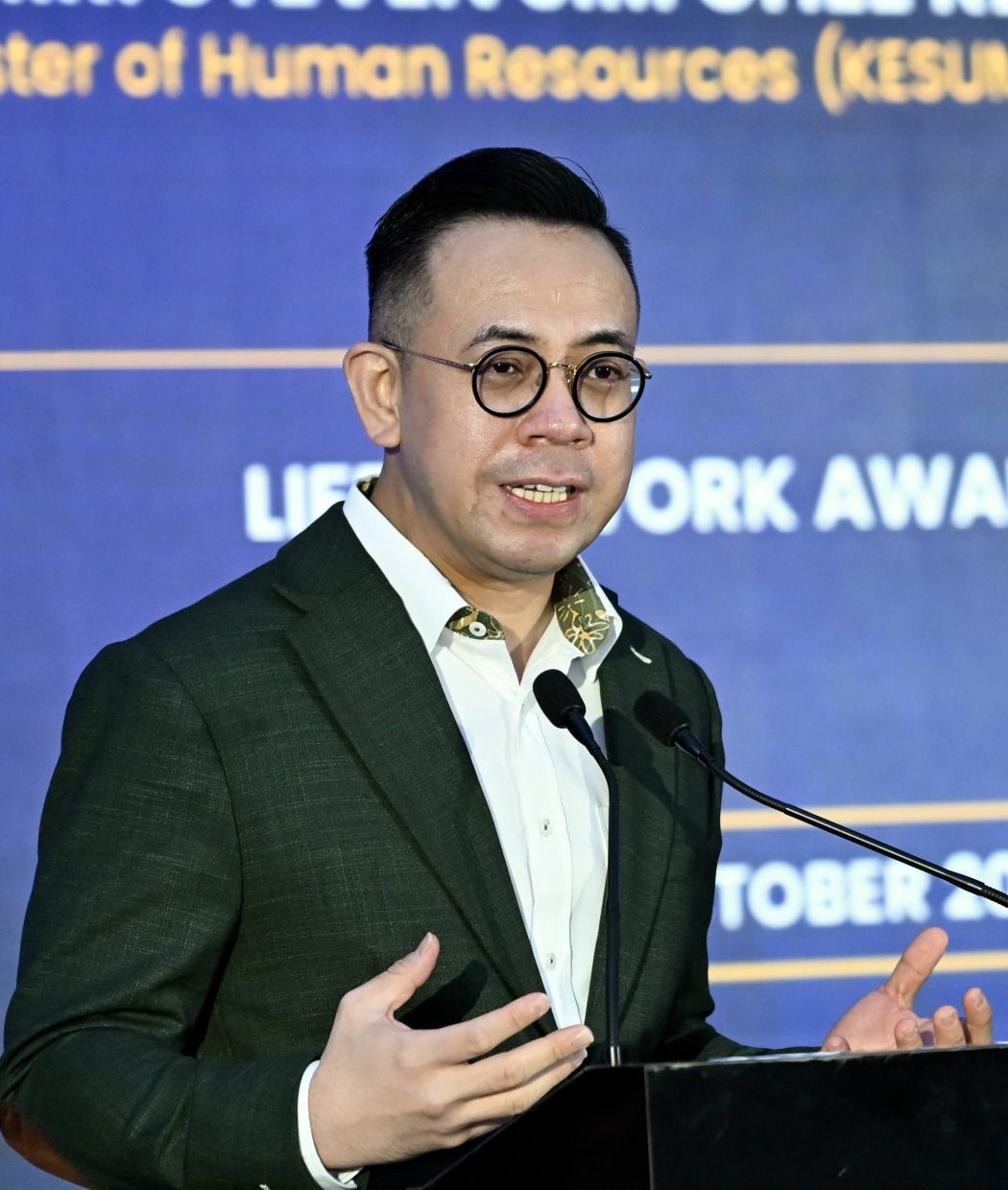
Such measures, he said, position Malaysia to lead within Asean in building a human-centred economy.
“Malaysian companies today are competing not only locally, but regionally. If you want talent, then you have to provide a better working environment.”
Sim announced that TalentCorp will be conducting a six-month study across three major cities — Penang, Klang Valley and Johor — to measure the impact of flexible work on productivity, labour participation and profitability.
The findings, he said, will help illustrate how progressive work practices affect productivity, labour participation and business outcomes.
Proof that flexibility works
The benefits of flexibility are already visible among employers on the ground.
Q3 Management Solutions Sdn Bhd managing director Emiliawati Zainol, whose company has implemented hybrid and staggered-hour policies, said the results have been clear.
“We noticed an increase in employee engagement and satisfaction once we introduced flexible hours,” she shared.
“Productivity didn’t drop. In fact, it improved because our people could manage their personal responsibilities better.”
Zainol added that FWA helped retain female talent after maternity leave and reduced turnover among younger staff.
“When you give employees trust and flexibility, they give you loyalty in return,” she said.
For Central Force International Sdn Bhd, a market research SME with around 50 permanent staff, flexibility was key to adapting in a time-sensitive, high-demand industry.
Chief operating officer Sim Siew Khoon noted that flexibility has made their teams more agile and responsive.
“Our business operates around the clock, so flexibility is essential,” she said.
“We adopted a results-based culture; as long as targets are met, our staff can adjust their schedules to suit family needs.”
She observed that this shift improved both morale and retention. “We’ve seen fewer absences and higher motivation. People feel valued, and that shows in their work quality,” she added.
As Malaysia heads towards the upcoming Asean Summit, the nation’s progress on FWA serves as a model for the region: proving that flexible, inclusive workplaces are not only good for employees but essential for business resilience.
As Wong summed up in her keynote, “FWA are acts of leadership. They show that doing good for people is also good for business.”
With the Asean Summit approaching, Malaysia’s progress on FWA showcases how adaptable, human-centred policies can strengthen both inclusivity and regional competitiveness.


