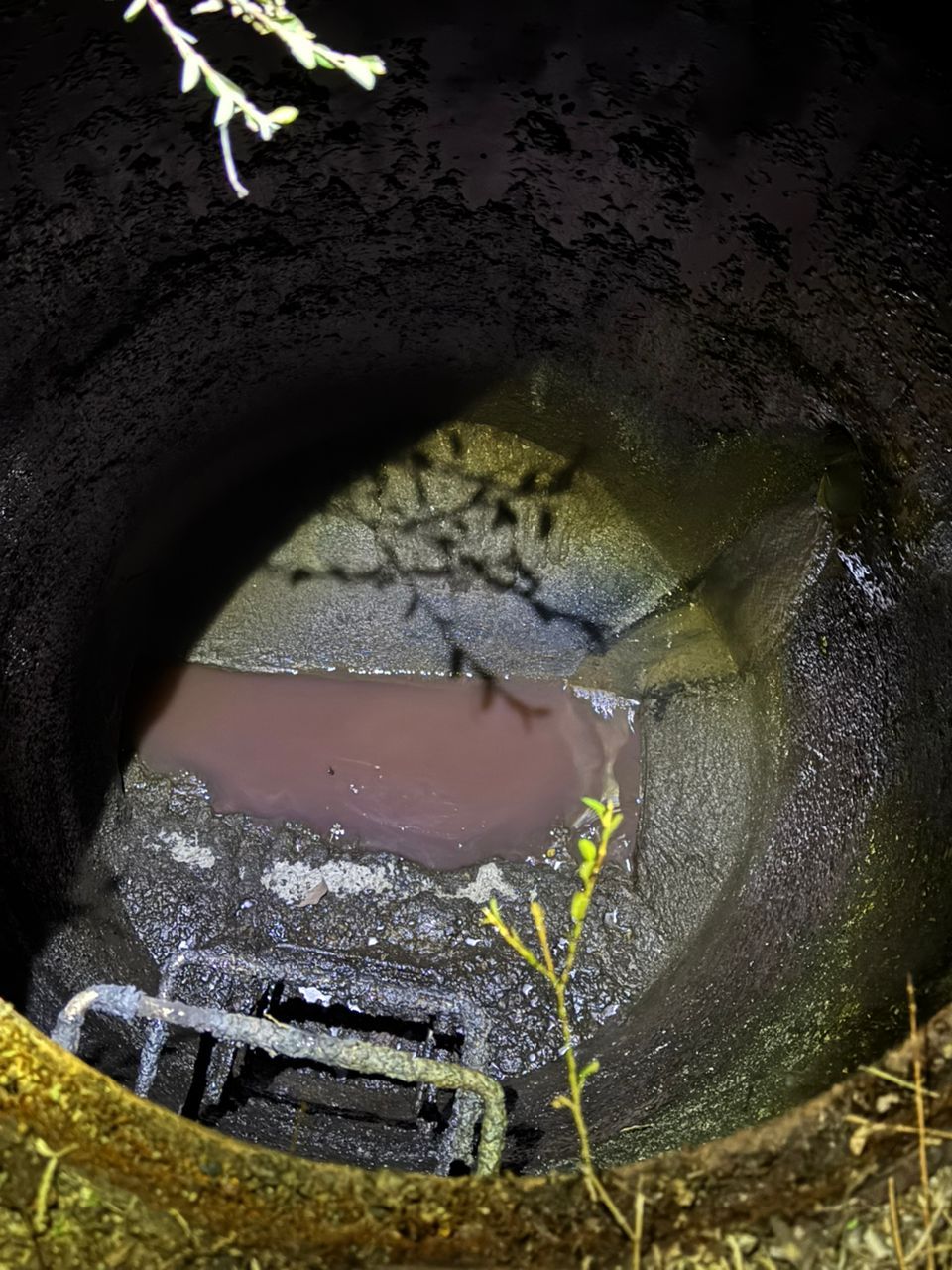
LAST month, a pink discharge was detected in the sewerage system following an underground blast near a sewer line operated by the national sewage company, Indah Water Konsortium (IWK) Sdn Bhd, in Bukit Minyak, Bukit Mertajam.
Investigations by IWK revealed that a toxic gaseous substance had entered the sewer network, indicating illegal chemical dumping.
Improper disposal of toxic waste — such as pouring chemicals into drains or flushing hazardous materials down the toilet — not only damages the sewerage system but also endangers public health and the environment.
These incidents are far from isolated, as similar cases have occurred in the past.
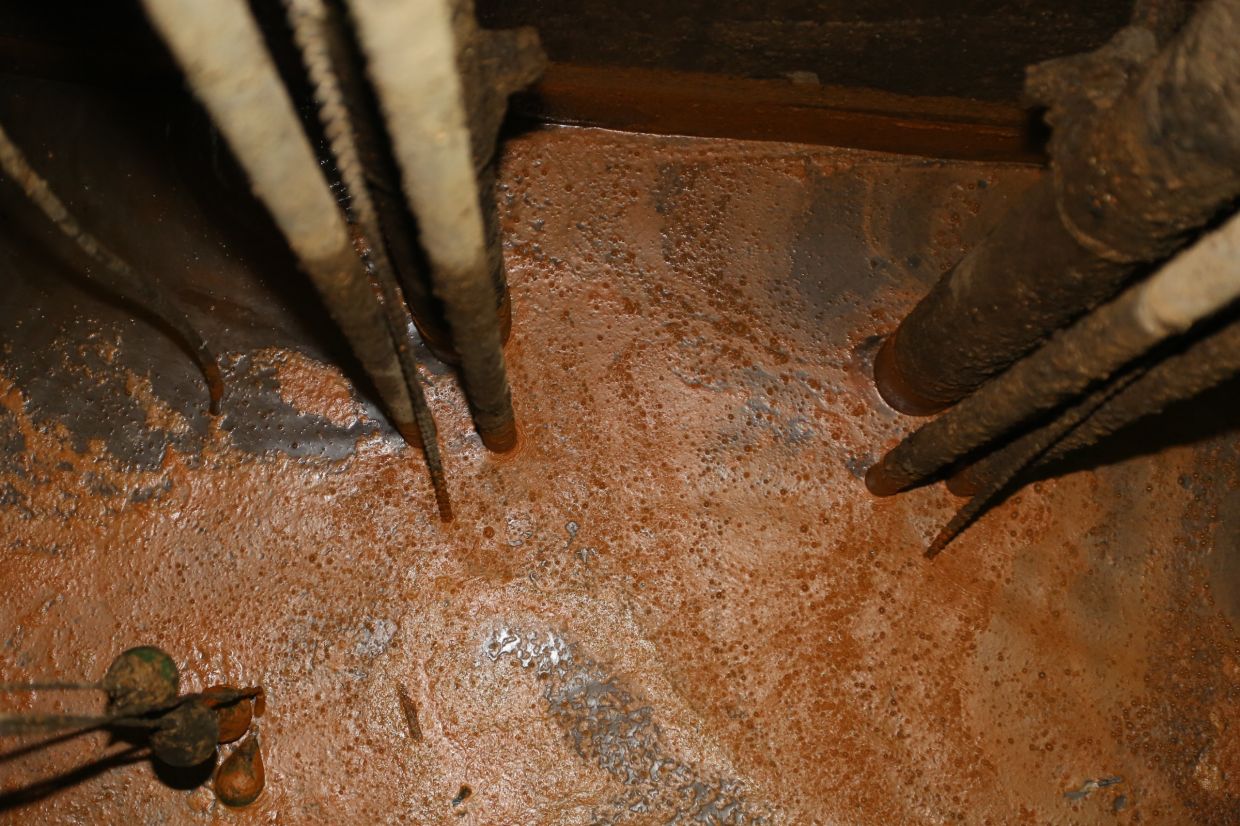
In November 2020, illegal discharge of wastewater into the sewage treatment plant was reported in Taman Velox, Rawang.
Immediate actions were taken to enhance the biological treatment process, including removal of contaminants, diversion of polluted wastewater into isolated tanks and 24-hour plant monitoring.
The environmental consequences would have been severe had these harmful chemicals bypassed the treatment process entirely – threatening ecosystems, water sources and public health.
In late 2019, IWK conducted clean-up operations after glycerine waste was illegally dumped into a public sewer manhole in the Kamunting Industrial Area, Bukit Sentosa.
IWK personnel found the manhole cover vandalised and sewage overflowing onto Jalan Kamunting 2B.
Immediate intervention works were carried out to contain the situation and prevent contamination of nearby water sources.
Media reports at the time believed that the illegal dumping of glycerine waste polluted the main drainage near Masjid As-Salam, Bukit Sentosa, Rawang.
“These illegal discharges not only disrupt the treatment process but also place a significant financial burden on the company.
“On average, we spend up to RM500,000 depending on severity to rectify any incident,” said IWK chief operating officer Mohd Taufik Salleh.
“This is money that could be better invested in improving infrastructure, expanding service coverage, and driving innovations that better serve our communities and protect the environment,” he added.
Discharging waste into manholes is a serious offence under Section 122 of the Water Services Industry Act 2006 (Act 655), which expressly prohibits the disposal of any substance into manholes.
Offenders now face significantly increased penalties – fines of up to RM1mil and/or imprisonment for up to 10 years.
Likewise, the discharge of prohibited effluent or noxious substances into public sewers or sewage treatment facilities constitutes an offence under Section 61.
Upon conviction, offenders may be fined up to RM100,000, imprisoned for a term not exceeding one year, or both.
Disposal habits matter
But these risks aren’t limited to industrial waste. Everyday habits contribute too.
Whether at home or in business, using proper disposal methods can make a meaningful difference.
IWK encourages all customers to dispose of waste properly, as seemingly harmless items like wet wipes, diapers, sanitary pads – even clothing – can clog sewer pipelines, leading to serious blockages.
These obstructions can damage pipelines, cause sewer overflows, flood streets and rivers, and disrupt entire communities.
Proper waste disposal is also crucial to keep our sewerage network functioning efficiently.
When waste is managed correctly, it travels safely through the sewerage system to IWK’s treatment plants, where it undergoes regulated, thorough treatment before being safely discharged back into waterways.
This process protects public health, preserves the environment and ensures a sustainable future for generations to come.
IWK remains committed to managing Malaysia’s sewerage system, but everyone plays a vital role in safeguarding our environment and ensuring the smooth operation of our nation’s sewerage infrastructure with responsible waste habits.