NATIONAL sewerage company, Indah Water Konsortium (IWK) Sdn Bhd continues to play a pivotal role in advancing Malaysia’s sustainability agenda with the introduction of an innovative product derived from recycled sewage waste—organic fertilisers produced from biosolids.
This initiative is part of IWK’s “waste-to-wealth” efforts, in which it transforms waste materials into valuable resources suitable for use on non-food crops.
Beyond reinforcing IWK’s position as a leader in the circular economy, the move also marks a big step forward in the adoption of environmentally responsible waste management practices in Malaysia.
The initiative has received an important recognition from the 126th Muzakarah Committee of the National Council for Islamic Religious Affairs (MKI), which took place from Feb 25 to 27, 2025.
During the session, the committee discussed the use of biosolids from sewage treatment plants (STPs) as a source for organic fertilisers.
After carefully reviewing research findings and technical justifications presented, the Muzakarah concluded that the production and use of organic fertiliser derived from IWK’s biosolids are safe and beneficial—as permissible (harus).
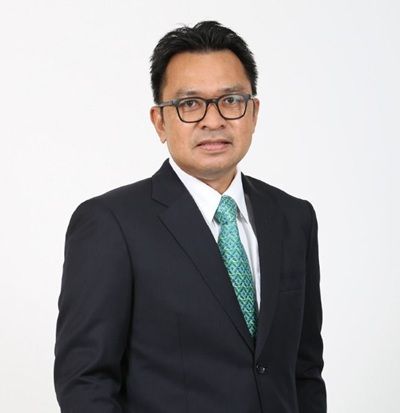
IWK chief operating officer Mohd Taufik Salleh said the recognition reflects positive acceptance of IWK’s commitment to ensuring that all treatment processes and biosolids fertiliser production adhere to Shariah principles and stringent safety standards.
“This recognition is highly meaningful for IWK. It not only affirms that our biosolids fertilisers are safe for use but also strengthens public confidence, especially among the Muslim consumers in our sustainable approach to sewage waste management,” he said.
Mohd Taufik added IWK has also received support from the Pahang Islamic Religious Council, which issued a fatwa permitting the use of biosolids produced through sewage treatment processes as materials for organic fertiliser production.
According to the official website of the Pahang State Mufti Department, the Pahang State Islamic Law Consultative Committee (Mesyuarat Jawatankuasa Perundingan Hukum Syarak Negeri Pahang) agreed that the production and use of organic fertilisers derived from safe and beneficial IWK biosolids are permissible (harus).
However, as the fertiliser originates from human waste, which is considered impure (najis), any crops that come into contact with it must be cleansed before use.
“This fatwa proves that innovation in sewage management can work in tandem with Shariah principles and environmental sustainability,” he said.
Beyond Shariah compliance, support towards the usage of IWK’s biosolids fertilisers has also been reinforced at the policy level.
In a media statement, the Meeting of Environmental Ministers and Members of the State Executive Council Responsible for the Environment (MEXCOE), held on Oct 6, 2025, agreed to lead by example by prioritising the use of organic fertilisers produced from biosolids under IWK’s management.
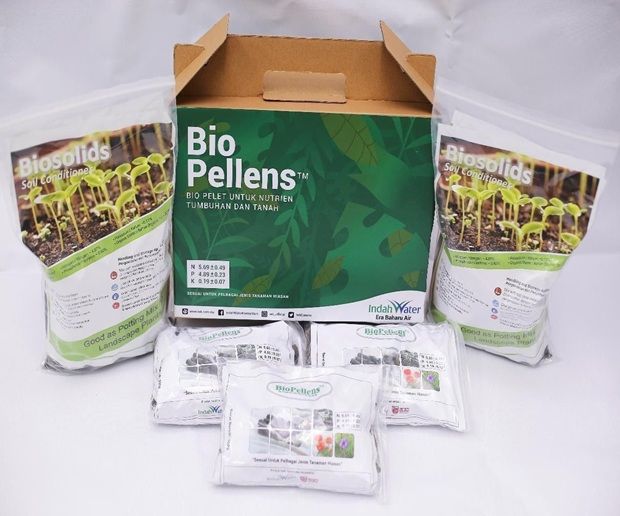
Mohd Taufik said the solid waste generated after the wastewater treatment process undergoes several additional treatment stages such as thickening, stabilisation and drying to ensure it is safe for agricultural use.
“IWK’s biosolids fertiliser contains approximately 4% of NPK (Nitrogen, Phosphorus and Potassium) elements, making it an effective nutrient source for restoring degraded soil.
“As an organic fertiliser, it also helps rebalance soil acidity levels affected by prolonged use of chemical fertilisers, thereby enhancing soil fertility and ecosystem health naturally,” he explained.
Through this initiative, IWK reduced the volume of waste sent to landfills and also transformed a material that was once considered waste into a high-value product for the agricultural sector.
The biosolids fertiliser initiative highlights the potential of sewage waste management to generate new value for society and the national economy.
By adopting a circular economy approach, IWK continues to strengthen its role as a leader in green innovation by ensuring that waste streams are managed safely, sustainably and returned to the environment with lasting benefits.