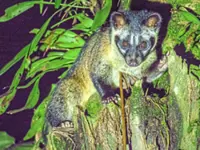
IN recent years, sightings of civets roaming through urban parks and residential neighbourhoods have become increasingly common. Videos of these encounters frequently go viral on social media, transforming moments of wildlife presence into entertainment or novelty. However, beneath this growing fascination lies an important question that warrants serious consideration: Are civets truly meant to live in our cities?
Civets are nocturnal wild mammals belonging to the family Viverridae. They are naturally found in forests, plantations, and rural landscapes where vegetation cover and food sources are abundant. Civets evolved to survive independently of human presence, relying on natural habitats to forage, hide, and reproduce. They are not well adapted to city life. Instead, their presence in human-dominated spaces often reflects environmental pressure, habitat loss, and shrinking forest areas rather than successful adaptation.
Already a subscriber? Log in
Play, subscribe and stand a chance to win prizes worth over RM39,000! T&C applies.
Cancel anytime. Ad-free. Unlimited access with perks.