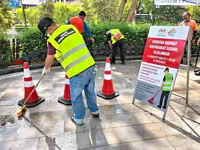
RECENTLY, Housing and Local Government Minister Nga Kor Ming expressed dismay on social media about littering on the streets of Bukit Bintang, Kuala Lumpur, sharing images of the city centre after the Christmas revelry, where rubbish lined walkways and corners in what should be one of Kuala Lumpur’s most presentable streets.
I fully support the minister’s reminder that the government will be enforcing littering laws more firmly in 2026: People are subject to fines of up to RM2,000 and 12 hours of community work if caught littering.
Cleanliness is not just a cosmetic issue. It is part of the city’s user experience, just like safety, lighting, walkability and public order. When people step into a city centre, they form an impression within minutes. Overflowing bins, pavements strewn with food wrappers, and food waste lining the roadside, even for short periods such as after a New Year’s countdown, leave the area feeling unpleasant.
Littering also has a real cost – one that residents and businesses pay twice. First, through assessment rates and taxes that fund daily clean-ups. Second, through lost spending when people shun the place, tourists take fewer photos and shoppers cut their visits short. A messy street is bad for business, especially as we welcome Visit Malaysia 2026.
Strict enforcement of littering laws can certainly help. Many Malaysians often look up to Singapore for its cleanliness and civic behaviour. That is partly achieved through strict enforcement, which is something we should emulate.
But enforcement alone will not solve everything. This is also about mindset. We cannot demand First World facilities while keeping a Third World attitude. It is time we stop treating public space as someone else’s problem. That mindset must change. Public space belongs to everyone and we all have a duty to protect it.
Local authorities, like Kuala Lumpur City Hall, have a role to play too. People are more likely to litter when bins are hard to find or already full. Hotspots need more bins in strategic locations, on top of strict enforcement, including using technologies like artificial intelligence.
As the heart of the nation’s capital, Bukit Bintang can lead the way. In many respects, the area is Malaysia’s “face” to the world, one where many visitors go to. If discipline, enforcement and shared responsibility can take root in one of the country’s busiest districts, there is no reason why it cannot happen anywhere else.
Clean streets are not about image alone. They reflect who we are as a society. Keeping our streets clean is how we show that our values are not just talked about, but lived.
BEN FONG KOK SENG
Kuala Lumpur
The writer is the chairperson of the Bukit Bintang Parliamen-tary Zone Residents’ Representative Council.
Already a subscriber? Log in
Get 20% OFF The Star Digital Access
Cancel anytime. Ad-free. Unlimited access with perks.