WHEN we talk about sports, it is often to celebrate the grit, sacrifice and achievement of our athletes. We usually don’t talk about the toxic behaviours that sometimes fester behind the scenes, particularly sexual harassment.
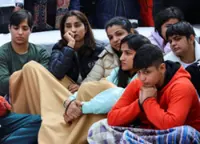
Last Friday, the Embassy of Belgium, in collaboration with the All Women’s Action Society (AWAM) and the United Nations Population Fund (U PA) Malaysia, hosted a forum titled “Spotlight on Sexual Harassment in Sports”.
The urgency of this issue cannot be overstated. Recently, an archery coach in Selangor claimed trial to charges of sexually assaulting a 15-year-old girl, and a Johor football coach pleaded not guilty to four counts of sexually assaulting two of his 13-year-old players.
Malaysia introduced the Safe Sports Code in 2023 aimed at preventing and addressing harassment and abuse in sports.
It was a positive move forward, but guidelines alone are not enough. If we are truly serious about the welfare of our athletes, we need to take a step forward and legislate the Safe Sports Code.
Youth and Sports Minister Hannah Yeoh has herself emphasised the need to protect athletes through systemic safeguards, not just awareness.
While Malaysia already has the Anti-Sexual Harassment Act 2022, it remains a general law.
With its unique power dynamic, close-contact environments and culture of silence, sport demands specific, enforceable safeguards.
Abuse in sports can come not only from coaches but also teammates, officials and even fans. And it does not only happen to girls and women. Boys and men are targets, too, and they are often silenced by fear of not being believed or being seen as weak for seeking help.
Complicating matters further is the rise of technology-facilitated gender-based violence (TFGBV). As athletes increasingly become public figures and influencers, they are vulnerable not only to harassment in person but also in the digital space.
From threatening messages to the non-consensual sharing of images and the creation of deepfake videos, online abuse has become part of the modern athlete’s reality.
The passing of the Online Safety Bill on Dec 16 last year marked an important step in tackling this form of abuse.
There’s even discussion of real-name verification requirements for social media platforms to address anonymity in online abuse. This may be a controversial idea, but perhaps one worth considering as we debate how best to protect both our athletes and citizens online.
In 2021, the U PA’s BodyRight campaign sent a powerful reminder that everyone has the right to control their own body. Athletes are no exception. They deserve to train, compete and thrive without fear of harassment or violence in the locker room, on the sidelines or behind a screen.
The first step is acknowledging that sexual harassment exists in Malaysian sports.
The next is reforming our systems and laws to ensure that all athletes can chase their sporting glory in a safe and supportive environment.
DR LOO CHENG YEE
Melaka
and DR SEAN THUM
Johor
(Dr Loo, a former state badminton player, is a medical doctor with a special interest in the well-being of athletes. Dr Thum is a public health practitioner, policymaker and an advocate for safe, inclusive spaces in sport and society.)
Already a subscriber? Log in
Get 20% OFF The Star Digital Access
Cancel anytime. Ad-free. Unlimited access with perks.