




MALAYSIA has, for the most part, been spared the trauma that many other nations have endured from large-scale terrorist attacks. This relative calm, while something to be grateful for, may also be the very reason we are not as prepared as we should be.

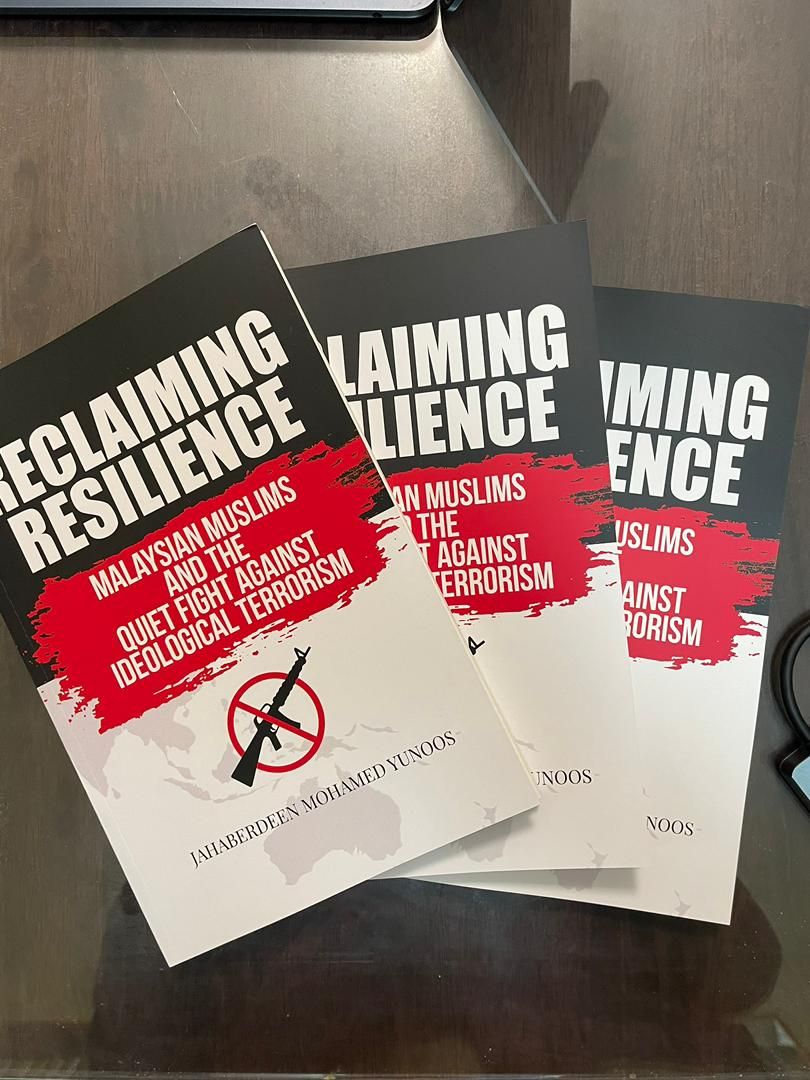
The findings were sobering. Resilience levels, overall, were not as strong as one might expect. One of the primary reasons is a lack of awareness – not just about terrorism itself, but about how it develops, spreads, and embeds itself quietly within communities.
Malaysia’s historical experience has shaped this reality. Apart from the long struggle during the Malayan Emergency (1948-1960), the country has not experienced sustained, large-scale terrorism in the way that other parts of the world have. There were isolated incidents, such as the involvement of the Japanese Red Army in the 1975 AIA building hostage crisis, and subsequent security scares, but these have not left the same deep national imprint as events elsewhere.
This relative peace is, in many ways, a testament to the effectiveness of our security apparatus. Malaysia’s counter-terrorism efforts, particularly those led by the Bukit Aman Special Branch, have been quietly but consistently effective in detecting, preventing, and neutralising threats before they materialise. Many Malaysians are unaware of just how much has been done behind the scenes to keep the country safe.
But therein lies the danger. When threats are successfully prevented, they often become invisible to the public. And when something is invisible, it is easy to underestimate – or worse, ignore.
Terrorism does not emerge overnight. It is not an event; it is a process. It begins with ideas – often subtle, sometimes cloaked in religious or ideological language. These ideas, when left unchallenged, can evolve into extremism. From extremism, the path to radicalisation becomes shorter. And from radicalisation, violence can follow.
This process is not unique to any one religion or community. However, in the Malaysian context, the misuse of Islam by extremist groups poses a particular concern. When religion is invoked, it carries emotional weight and moral authority. If that authority is distorted, it can become a powerful tool for manipulation.
I recall a conversation I had about security issues with Deputy Prime Minister Datuk Seri Dr Ahmad Zahid Hamidi, who has long been involved in matters of national security. During his tenure as Home Minister, he emphasised that combating groups such as IS and Al-Qaeda required more than just enforcement. It demanded a comprehensive, coordinated, and intelligent response.
He spoke about the importance of “de-rooting” radicalism – not merely suppressing it. This distinction is critical. You can arrest individuals, disrupt networks, and tighten laws. But if the underlying ideas are not addressed, the problem will resurface in new forms.
Equally important was his warning against attributing blame to entire communities. Doing so, he noted, would only play into the hands of extremists, who thrive on narratives of victimhood and division. When people feel alienated or unfairly targeted, they become more susceptible to radical messaging.
Malaysia’s strength has always been its diversity – a society built on cooperation among different ethnic and religious communities. This social fabric is not just a cultural asset; it is also a strategic defence against extremism. When communities trust one another, when dialogue is open, and when differences are managed with maturity, the space for radical ideologies to take root becomes smaller.
However, this strength must be actively maintained. It cannot be assumed. In recent years, there has been a noticeable rise in more rigid, exclusionary, and sometimes hostile narratives – often amplified through social media and, at times, intertwined with political discourse.
When religion and politics are mixed without care, the consequences can be serious. Religion, in its pure form, calls for reflection, compassion, and moral responsibility. Politics, on the other hand, often deals with power, influence, and competition. When the two are fused irresponsibly, there is a risk that religion becomes a tool rather than a guide.
This is precisely the environment in which extremist ideas can find fertile ground.
Building resilience, therefore, is not solely the responsibility of the authorities. It is a collective effort. It involves education – not just formal education, but the cultivation of critical thinking. It involves open conversations about difficult topics, rather than suppressing them. It requires religious discourse that is thoughtful, contextual, and grounded in compassion, rather than rigid literalism.
We must also recognise the role of families, educators, community leaders, and media in shaping narratives. The battle against extremism is not fought only in intelligence briefings or security operations; it is fought in everyday conversations, in classrooms, in places of worship, and increasingly, online.
Malaysia has been fortunate. But fortune is not a strategy.
If we are to preserve our peace, we must move beyond complacency. Awareness must be raised, not through fear, but through understanding. Resilience must be built, not through slogans, but through sustained effort.
Terrorism may not have struck us in a major way – yet. But the conditions that allow it to grow can exist quietly, beneath the surface.
The real question is not whether we are safe today. It is whether we are prepared for tomorrow.
Senior lawyer Dato Sri Dr Jahaberdeen Mohamed Yunoos is the founder and chairman of Yayasan Rapera, an NGO that promotes community-based learning activities and compassionate thinking among Malaysians. The views expressed here are entirely his own.


