Japan’s culture of precision, reflection has much to teach today’s journalists
I recently travelled to Tokyo for a community news workshop, joining editors, senior journalists and media students from across the globe.
We gathered to exchange ideas on strengthening community journalism, developing revenue models and fostering virtual communities.
The trip also offered a rare chance to reconnect with colleagues I have known for 25 years – relationships forged in the newsroom and sustained through decades of correspondence.
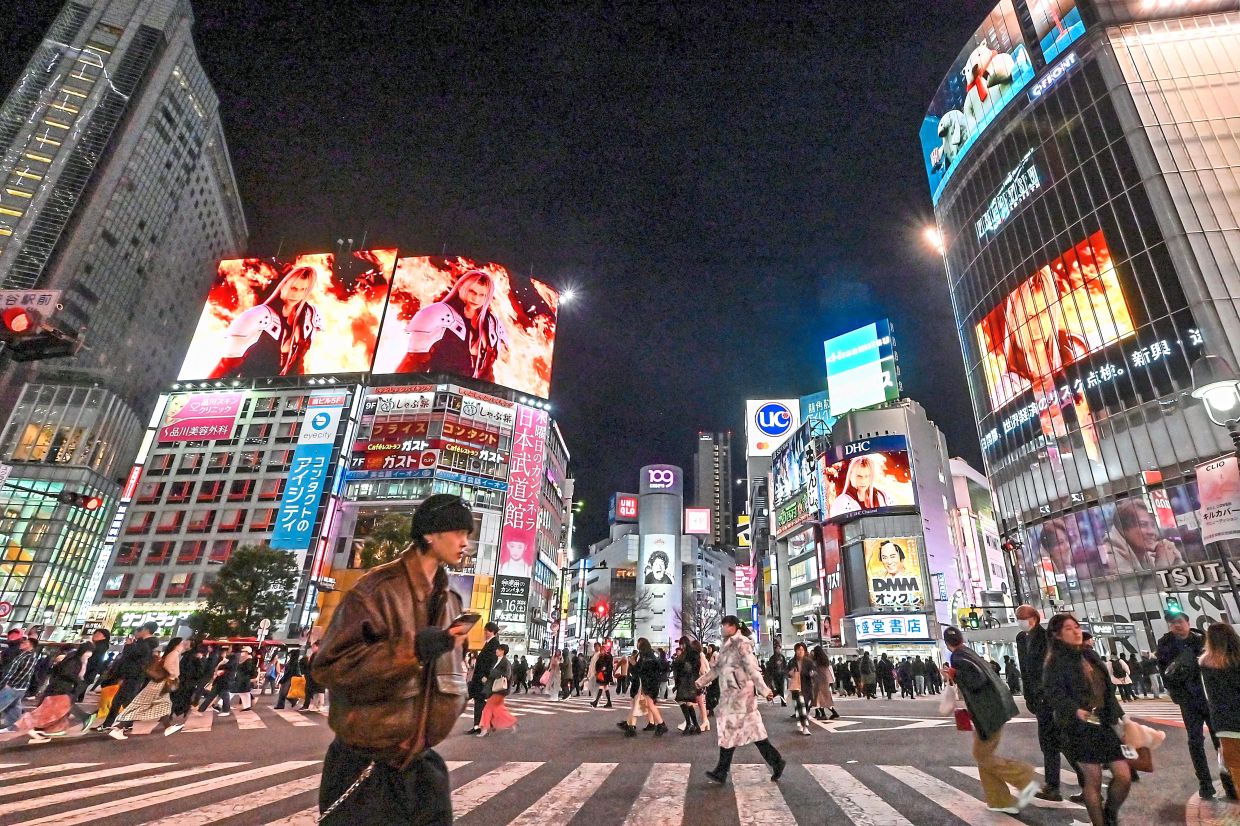
Tokyo was more than just a backdrop; it was a lesson in itself. The city is a sensory overload: fast-paced, dense and vibrant, yet remarkably orderly.
Millions move through its streets daily in what feels like choreographed silence.
Queuing for trains is a cultural ritual.
During rush hour, commuters wait for every passenger to disembark before stepping aboard.

This urban intensity contrasts sharply with the tranquillity of Meiji Jingu Gyoen forest, a dense, man-made oasis of towering trees and quiet paths.
Visiting it during the workshop provided a valuable perspective: the balance between noise and silence mirrors the balance we must strike as journalists.
While the profession often demands speed, the forest is a reminder of the necessity for reflection and depth.
The workshop sessions reinforced this. Senior editors led discussions on ethical reporting, fact-checking and community engagement.
One speaker emphasised the importance of listening intently to stories rather than rushing to publish.
Another highlighted that trust is a journalist’s most valuable asset; once lost, it is rarely regained.
Group discussions revealed shared challenges.
Regardless of where we were from, we all spoke of the struggle against misinformation and the battle to maintain credibility in a rapidly evolving landscape.
It underscored that while our contexts differ, the core issues facing journalism are universal.
Beyond the formal sessions, everyday life in Tokyo offers its own insights.
The city’s cleanliness, despite a lack of rubbish bins in public areas, reflects a profound sense of social responsibility.
Like the locals, we carried our own rubbish, ensuring that even busy districts like Shibuya remained litter-free.
This collective discipline is a powerful example of how community values can shape public spaces.
On the final day, I shared a meal at a ramen counter with a long-time journalist friend.
We spoke about the unseen effort that keeps Tokyo moving, including the night shift workers and systems running with clinical precision.
“It is love for Tokyo; that is why it works,” he remarked.
In our spare time, we explored the city’s unique blend of tradition and technology.
Quiet temples sit alongside neon-lit streets, showing a city of many faces.
This contrast reminded me that good journalism must also capture multiple perspectives; indeed, doing so is essential.
The trip was both professionally enriching and personally significant.
Tokyo, with its unique equilibrium of energy and calm, provided more than just a place to learn; it offered a powerful metaphor for journalism itself.
Already a subscriber? Log in
Get 20% OFF The Star Digital Access
Cancel anytime. Ad-free. Unlimited access with perks.