MUTHURAMAN Palaniappan was just 12 when he started teaching himself machine learning.
By the time he had to choose a degree, he already knew software wasn't enough – hardware was the missing piece.
“The problems I care about most – assistive devices, low-cost medical hardware – don't live on a screen,” said Muthuraman, a Community Scholarship recipient and second-year Bachelor of Mechanical Engineering with Honours student at Taylor's University.
“A braille display needs actuators. A heat-stress wearable needs thermal design. A smart cast needs materials that can sit safely against skin. Mechanical Engineering was the one discipline I couldn't shortcut. Everything I’ve built since has only worked because of it.”
That conviction has taken him from Taylor's University’s classrooms to some of the world's most competitive innovation stages.
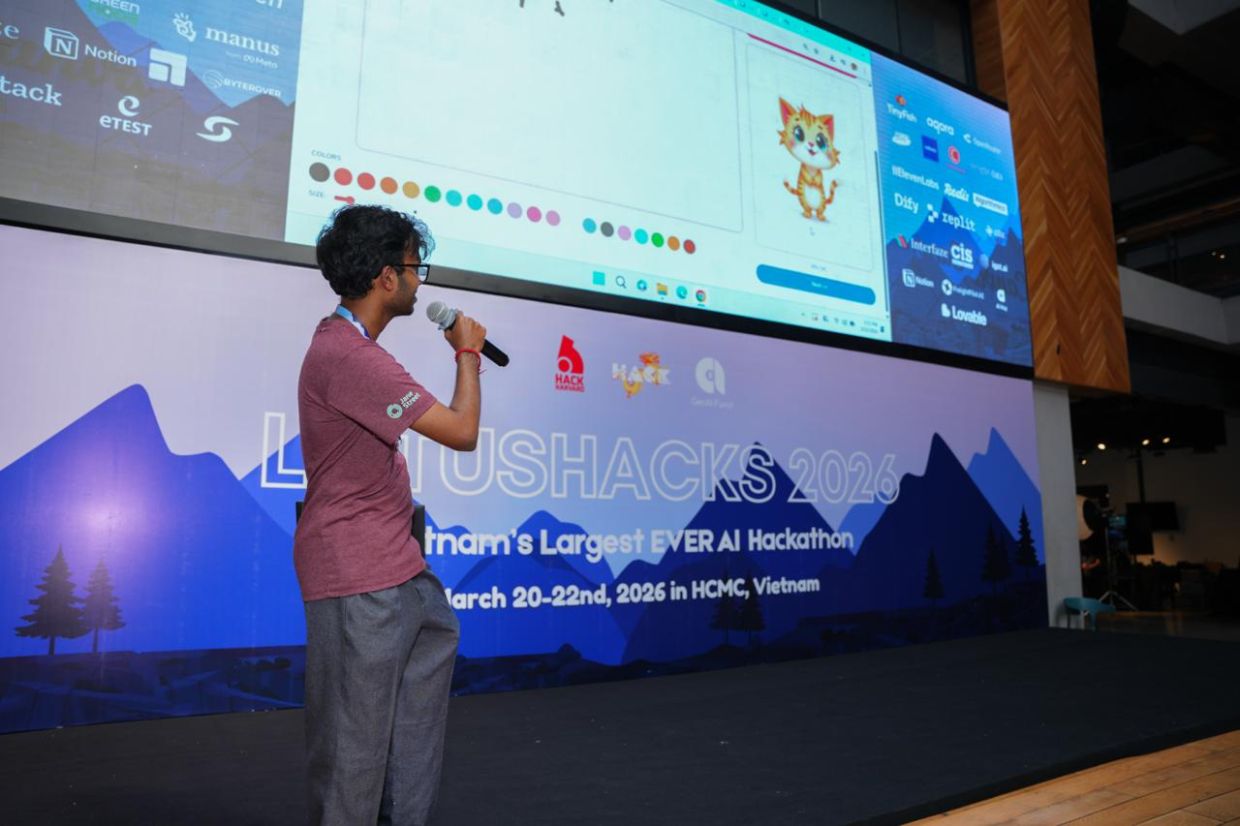
One of those opportunities saw him represent the university at the prestigious MIT Hacking Medicine Boston GrandHack 2026.
There, he collaborated with clinicians, researchers and engineers from around the world to develop an innovative healthcare prototype designed to support the early detection of compartment syndrome, contributing as the team's Deep Learning Engineer.
The project progressed beyond the hackathon into ongoing development and is currently the subject of a pending patent application.
His work also extended to the 2026 Yale Innovation Summit, where three healthcare innovations he contributed to were selected for presentation in the Health track.
He continues contributing to healthcare innovation through multidisciplinary collaborations in areas such as endometriosis screening, stroke rehabilitation and AI-powered medical interpretation.
Despite the growing list of accolades, Muthuraman remains grounded.
“I’m a Malaysian student who wants to build protective technologies that improve people’s lives, as frugally as I can. Competitions are the fastest way to find out whether an idea survives contact with reality,” he said.
“Every competition is a door. What keeps me going is how each one compounds into the next.”
Industry-ready graduates
For Bachelor of Mechanical Engineering with Honours programme director Assoc Prof Dr Choo Hui Leng, Muthuraman's achievements are a combination of his own curiosity and determination, supported by the programme's experiential approach to education.
“Engineering is best learned by doing. By combining strong engineering fundamentals with project-based learning, industry collaboration and emerging technologies such as AI and 3D printing, we equip students with the confidence to collaborate across disciplines and turn ideas into practical solutions,” said Choo.
This approach is reinforced across Taylor's University School of Engineering.
As South-East Asia's first engineering school to adopt the Conceive-Design-Implement-Operate (CDIO) framework, the school embeds hands-on engineering practice throughout its curriculum, encouraging students to design, build, test and deploy solutions rather than simply learning the theory behind them.
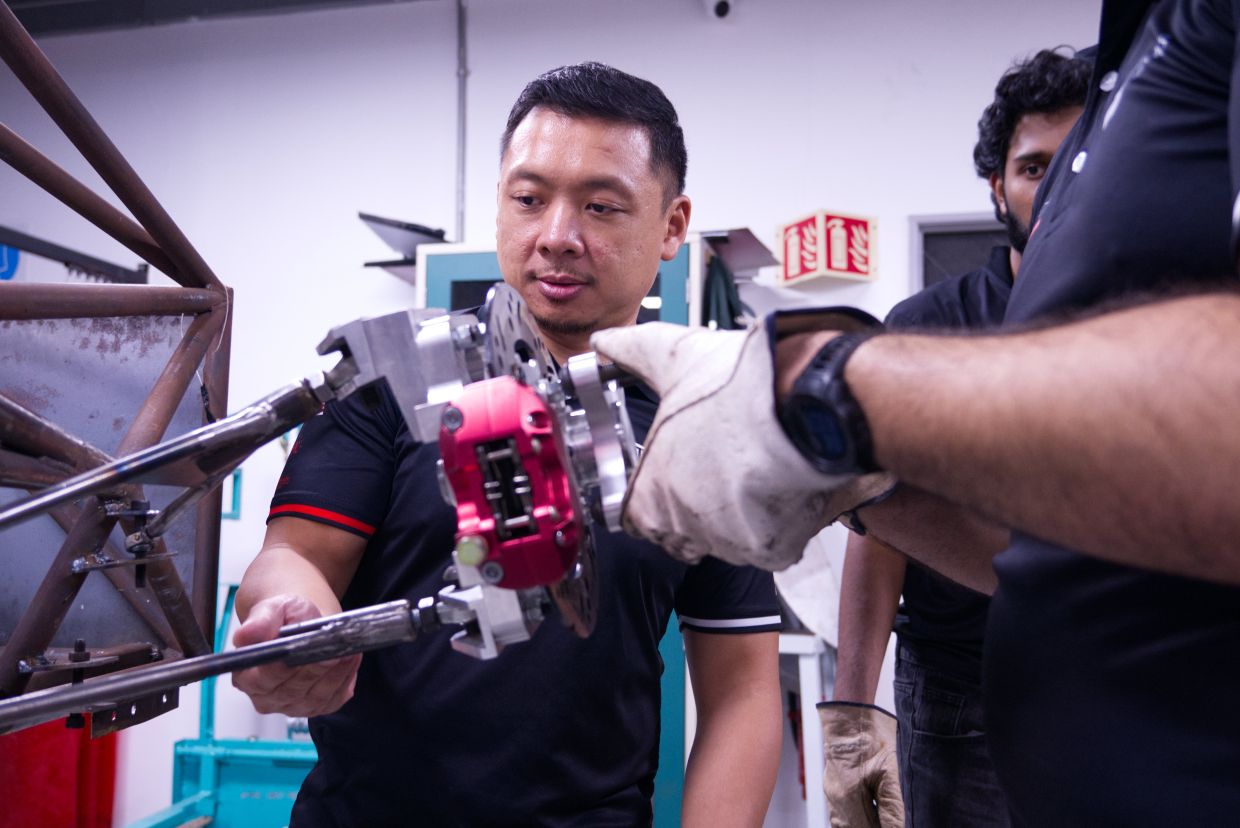
The university’s purpose-built facilities, such as the Innovation and Prototyping Laboratory, 3D Modelling and Product Design Studio and Robotic Hub, provide students with the tools to iterate solutions using industry-relevant technologies.
The school is ranked among the world's Top 400 for Engineering and Technology and Electrical and Electronic Engineering, and Top 450 for Mechanical Engineering in the QS World University Rankings by Subject 2026.
Its engineering programmes are accredited by the Board of Engineers Malaysia (BEM) and the Engineering Accreditation Council (EAC), ensuring graduates meet recognised professional standards.
The Taylor's Racing Team is another example of the school’s experiential learning approach in action.
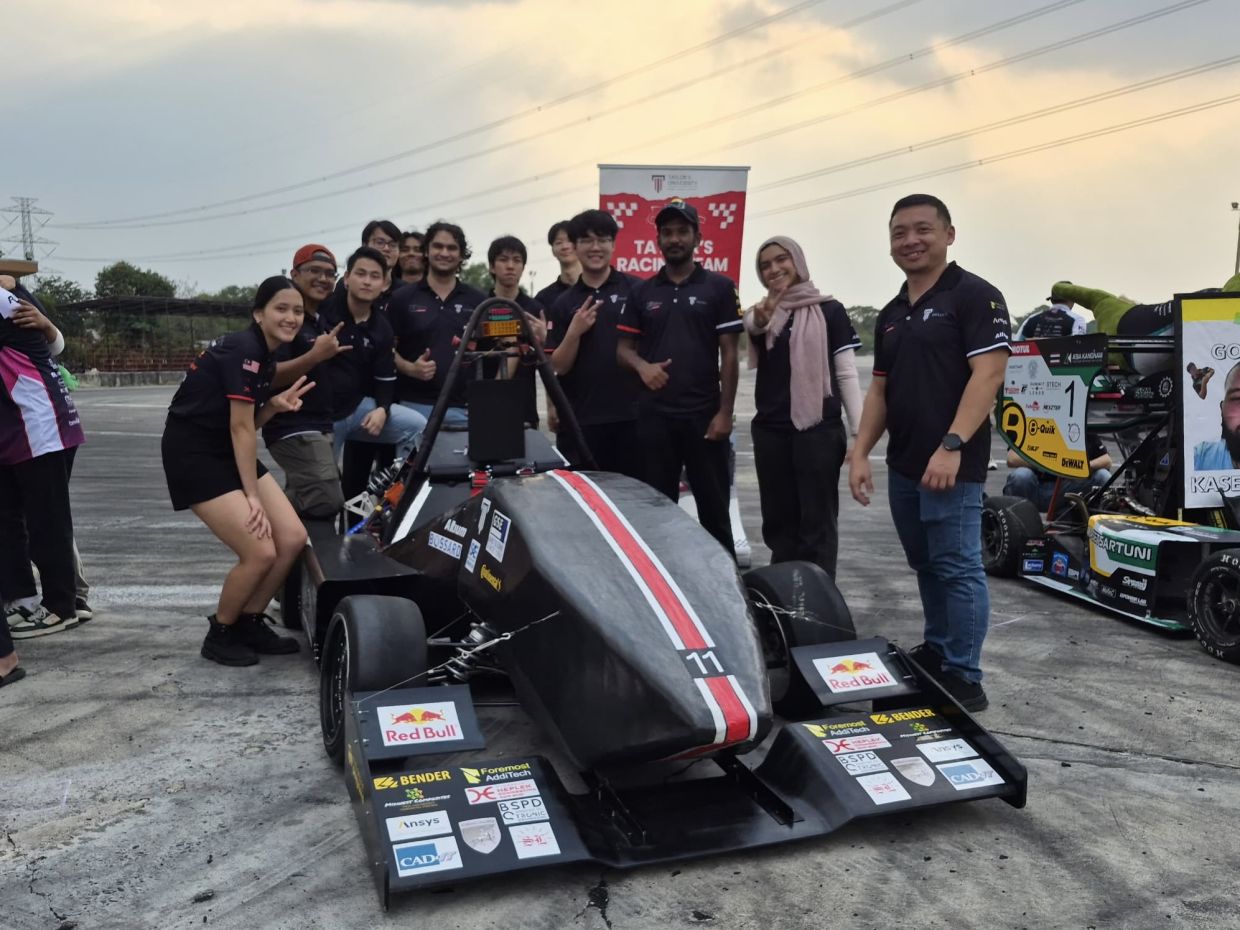
Students take a Formula-style race car from conceptual design and simulation through manufacturing, testing, troubleshooting and project management under real constraints of budget, time and performance.
Beyond the technical build, students also secure and manage sponsorships, develop business proposals and run the team's social media and brand presence, exposing them to stakeholder engagement, finance, marketing and communications alongside engineering.
The experience equips students with the technical expertise, collaboration and leadership skills needed to thrive in their future careers.
Ultimately, Choo said the goal goes beyond building faster cars – it's about shaping engineers who can innovate, collaborate and thrive across a wide range of engineering careers.
Students can also broaden their global learning experience through overseas transfer pathways with leading partner universities in the United Kingdom and Australia.
Beyond Mechanical Engineering, the school also offers Bachelor's programmes in Chemical Engineering, Mechatronics Engineering and Electrical and Electronic Engineering, each built on the same foundation of hands-on learning, industry collaboration and global exposure.
For more information, visit https://university.taylors.edu.my/en/study/explore-all-programmes/engineering.html.