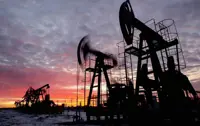
IN a world that is still far too dependent on fossil fuels instead of renewable sources, any problems in the Middle East will cast a long shadow.
Since the conflict began in Iran with the US and Israeli airstrikes at the end of February and Iran’s closure of the vital Strait of Hormuz that has stranded hundreds of shipping vessels, the price of crude oil has risen from US$73 a barrel to about US$100 now (roughly RM288 to RM394).
Following a Cabinet meeting on Wednesday, though, Prime Minister Datuk Seri Anwar Ibrahim said the price of RON95 petrol under the Budi95 targeted fuel subsidy mechanism will remain at RM1.99 per litre despite its market price rising.
It’s a blessing to have this price stability as we approach Hari Raya Aidilfitri, with millions preparing for the festivities, the balik kampung exodus and holiday travels over the expected long weekend.
Furthermore, the Prime Minister has reassured the public that the government will do its utmost to maintain stability, including ensuring the current domestic electricity subsidy regime remains in place.
For Malaysia, which has long sheltered its citizens from the volatility of global crude prices, the stakes are much higher now. While our fuel supply remains stable, the financial weight of this security is ballooning.
Previously, the government’s monthly expenditure on petrol subsidies stood at approximately RM700mil. With today’s price, that figure has nearly tripled to RM2bil a month.
And if this conflict is prolonged, the annual subsidy bill could spiral towards RM24bil – a massive drain on national reserves that will force difficult trade-offs in the national budget.
At the moment, Anwar says that the Budi95 (RON95 petrol) and electricity subsidy structures can be maintained for the next two months.
However, this shield is not a licence for wastage. The government is already leading by example through necessity.
On Wednesday, the Prime Minister announced internal austerity measures to offset rising energy costs, including reducing electricity and air-conditioning in government buildings, limiting foreign travel for officials and scaling back official Hari Raya celebrations.
We should mirror this pragmatism. It is a matter of simple logic: Every ringgit saved on a wasted kilowatt or a needless litre of fuel is a ringgit that doesn’t have to be borrowed or diverted from essential public services like healthcare and education.
By using energy wisely, we ensure Malaysia remains resilient, even as the world remains uncertain.
Already a subscriber? Log in
Get 20% OFF The Star Digital Access
Cancel anytime. Ad-free. Unlimited access with perks.