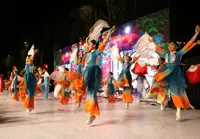
Let us celebrate cultural diversity


PERHAPS we all need a refresher in this country’s history since we seem to have forgotten how we started as a nation.

Didn’t we begin as a centre of world trade in the 16th century, when merchants came from afar, bringing with them not only trade goods but languages, cultures and religions?

We grew in importance as we welcomed all, yet we also developed our own sense of identity, one that was strong enough to spark the struggle for nationhood and independence.

Building our own identity in those early days didn’t stop us from remaining open to trade, foreign investment and international travel and education, all of which helped us to become an Asian powerhouse.

The Sultan of Perak, Sultan Nazrin Shah, reminded us of this when he spoke at the launch of the book The Malays: Pathfinders And Trailblazers yesterday.

“... as this book informs us, for many centuries the lands of the Malay archipelago have been open to flows of trade, capital, labour and ideas, and it is this very openness to foreign influences that has shaped who we are and helped to make us successful,” he said.

(The book is by Orang Kaya Kaya Seri Agar Diraja and former Perak Mentri Besar Tan Sri Ramli Ngah Talib.)

Now, as global supply chains falter after two years of a pandemic that isolated countries and, currently, a European war that is exacerbating political differences even as it affects the whole world, now more than ever, we need to maintain that openness.

How are we to do that if we are threatened by everything that is even the slightest bit different from us, whether it is a different language, a different culture or a different faith?

Surely Malaysians can enjoy aspects of another country’s culture without losing our identity or faith?

Take, for instance, the current uproar over a different culture’s event that is being held in Malaysia: the Bon Odori Japanese festival.

PAS vice-president Datuk Idris Ahmad, who is a Minister in the Prime Minister’s Department (Religious Affairs), advised Muslims not to attend the event because, he said, it has elements of another religion in it.

But in a royal statement issued on Thursday, the Sultan of Selangor pointed out that there is a distinction between cultural and religious events.

The statement said the cultures of all communities in the world have some connection with religion – “Nevertheless, with the passage of time, these cultural practices no longer highlight the religious elements,” it read.

Sultan Sharafuddin Idris Shah made it clear in his statement that the Bon Odori festival is a cultural event and not a religious one.

Scheduled to take place in Shah Alam on July 16 and in Penang on July 30, the festival has been held for decades in the country as a means for the Japanese community to celebrate aspects of their culture and share them with Malaysians.

In his statement, the Sultan said he had attended the event in 2016 himself accompanied by the then Japanese ambassador to Malaysia and, through his observation, found that the Bon Odori celebrations did not involve religious elements or rituals.

Get 20% OFF The Star Digital Access

Monthly Plan

RM 13.90/month

RM 11.12/month

Billed as RM 11.12 for the 1st month, RM 13.90 thereafter.

Best Value

Annual Plan

RM 12.33/month

RM 9.87/month

Billed as RM 118.40 for the 1st year, RM 148 thereafter.

Follow us on our official WhatsApp channel for breaking news alerts and key updates!
culture , identity , languages , religions

Next In Columnists

The East’s rising star power
Make Penang AI plan a bridge for majority
Giants fall, England survive – World Cup quarter-finals take shape
Who shapes global AI rules: Asean-China cooperation role
Why the Johor election is good for Malaysian democracy
Confessions of a durian season sinner
Looming threat to social security
More predictable than the World Cup
America at 250
Coexistence with wildlife key for public safety

Others Also Read