




COULD a plant growing deep in the rainforests of East Malaysia hold medical potential to treat one of the world’s most serious diseases?
Claims have circulated that a local tree found in Sarawak may contain compounds linked to HIV treatment.
Is there any truth to claims?
Verdict:

TRUE
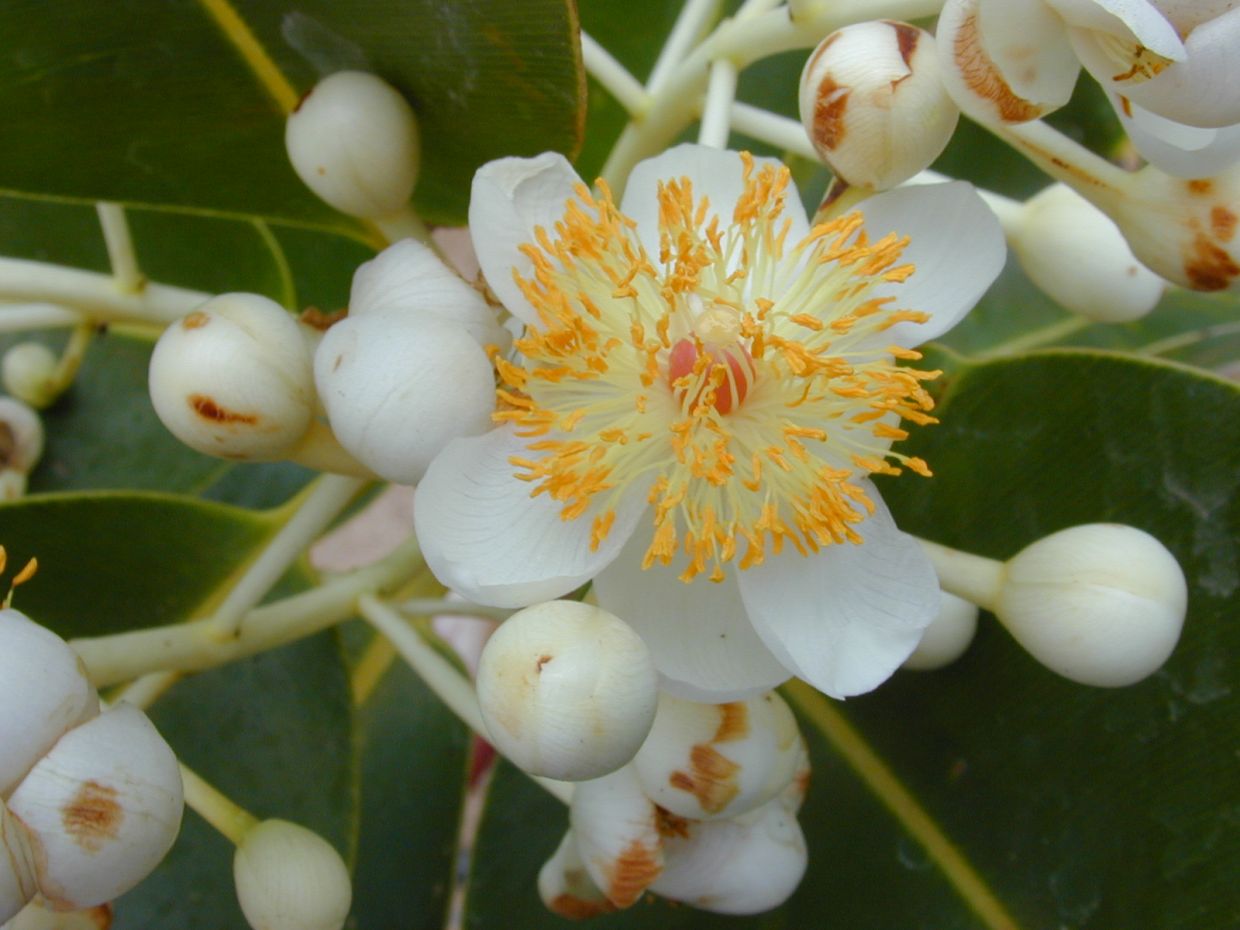
The Bintangor tree, from the Calophyllum species found in Sarawak, has been studied for compounds with antiviral properties.
Researchers discovered a substance known as calanolide A, which has shown the ability to inhibit the replication of the human immunodeficiency virus (HIV) in early laboratory and clinical studies.
Initial findings indicated that the compound could help inhibit the replication of the HIV virus, making it a candidate for further drug development.
This led to international research collaborations and early-stage clinical trials to explore its potential as part of HIV treatment.
However, this does not mean the tree itself can cure HIV or AIDS.
Experts emphasise that such compounds must undergo extensive testing, refinement and regulatory approval before they can be used safely and effectively in patients.
To date, antiretroviral therapy (ART) remains the standard and most effective treatment for managing HIV.
Still, the discovery highlights how biodiversity - that includes plants discovered right here in Malaysia - can contribute to important medical breakthroughs.
Sources:
2. https://forestry.sarawak.gov.
3. http://webagris.upm.edu.my/
4. https://wwf.panda.org/wwf_


