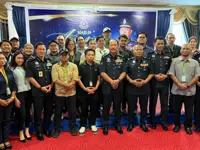
Artisans are teaching younger generations traditional embroidery techniques that once adorned Sarawak Malay garments.
TRADITIONAL Sarawak Malay embroidery techniques known as simo and sulam cabut are making a comeback amid renewed efforts to preserve these fading crafts.
Simo stitching is commonly used to embellish the necklines and sleeves of baju kurung and baju Melayu, serving both decorative and functional purposes.
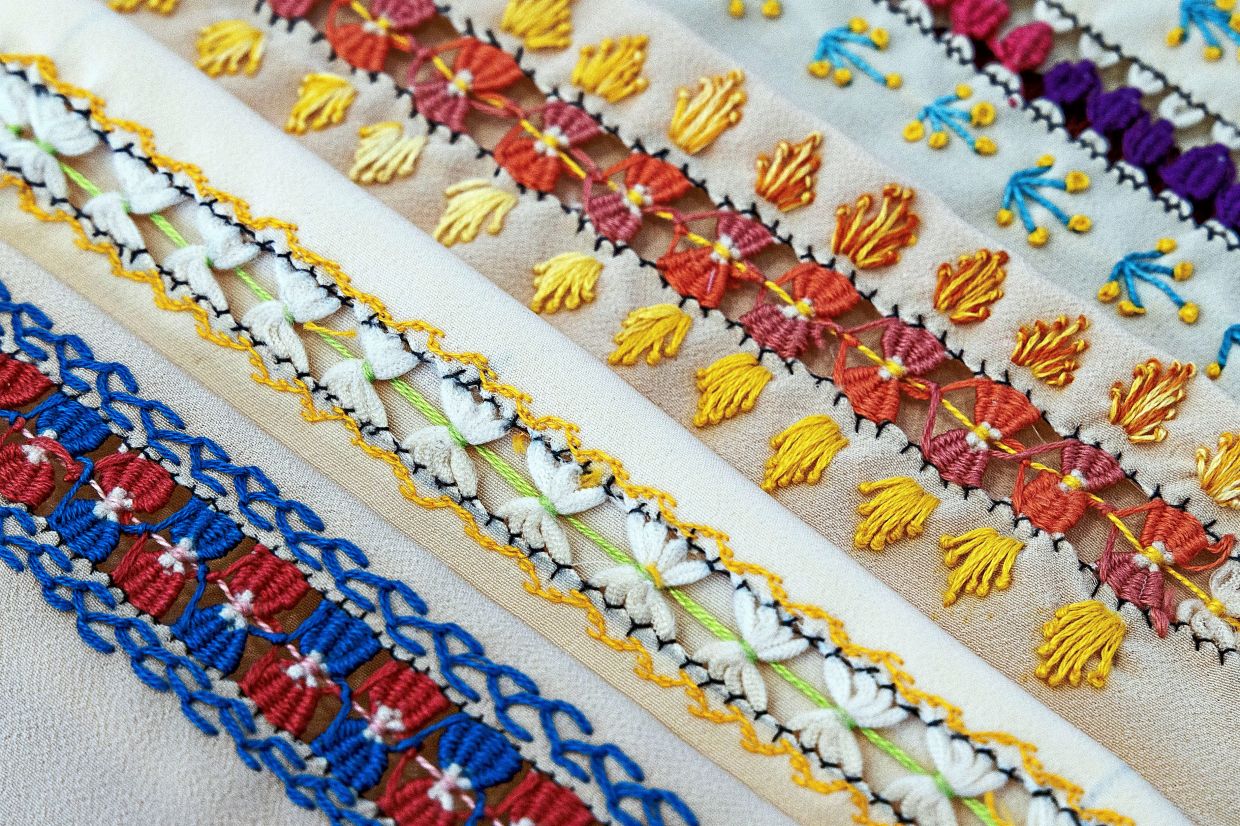
Sulam cabut, meanwhile, involves pulling threads from the fabric to create delicate patterns, which are then embroidered with coloured thread.
The technique is usually used around sleeve ends and across the pockets of baju Melayu and baju kurung.
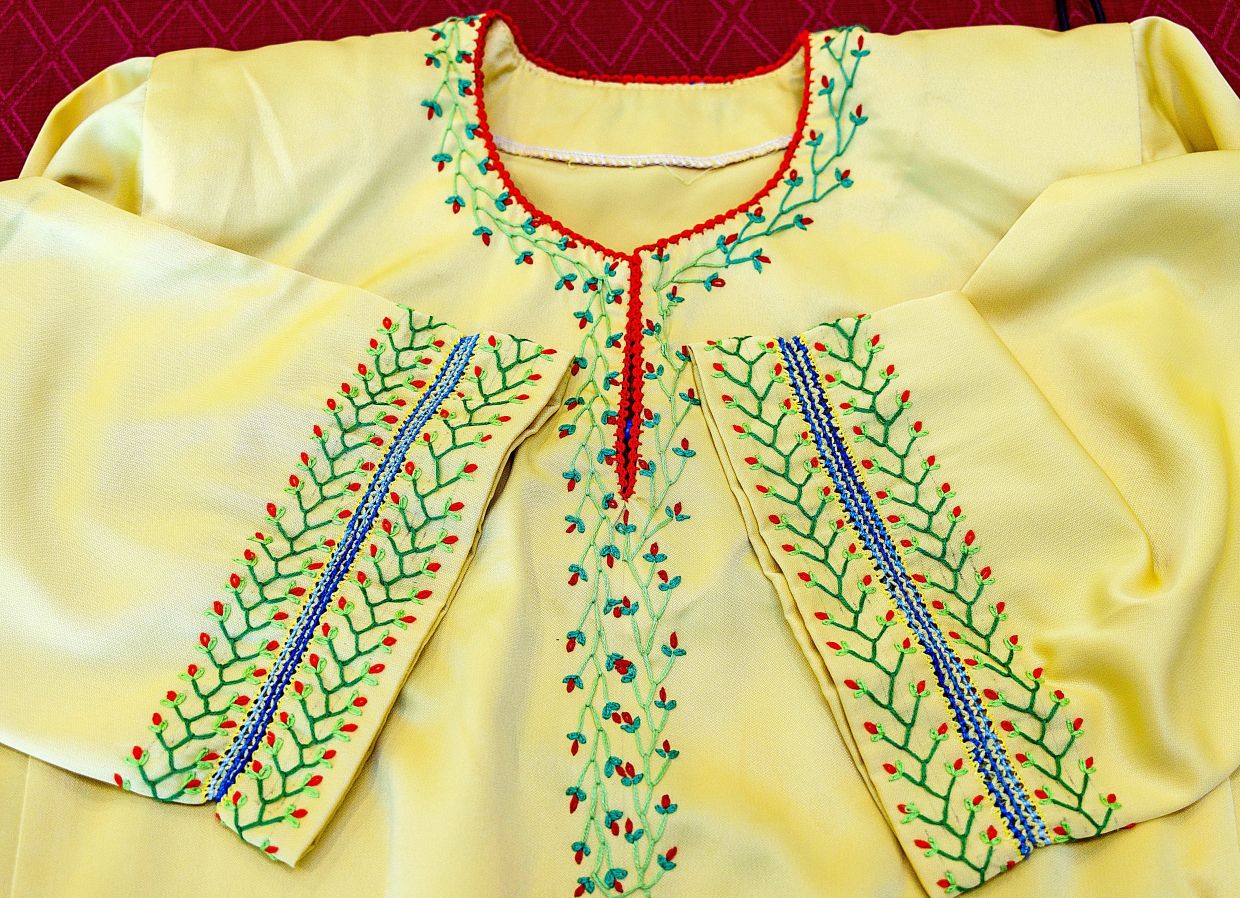
According to entrepreneur and designer Dr Sharifah Suzana Wan Shukran, simo and sulam cabut were popular from the 1980s to the early 1990s but gradually fell out of favour as fashion trends changed.
“Back in those days it was common to see this type of embroidery on the baju kurung worn by our mothers.
“The patterns had names like mata lalat, sulam gunung and anak patung.
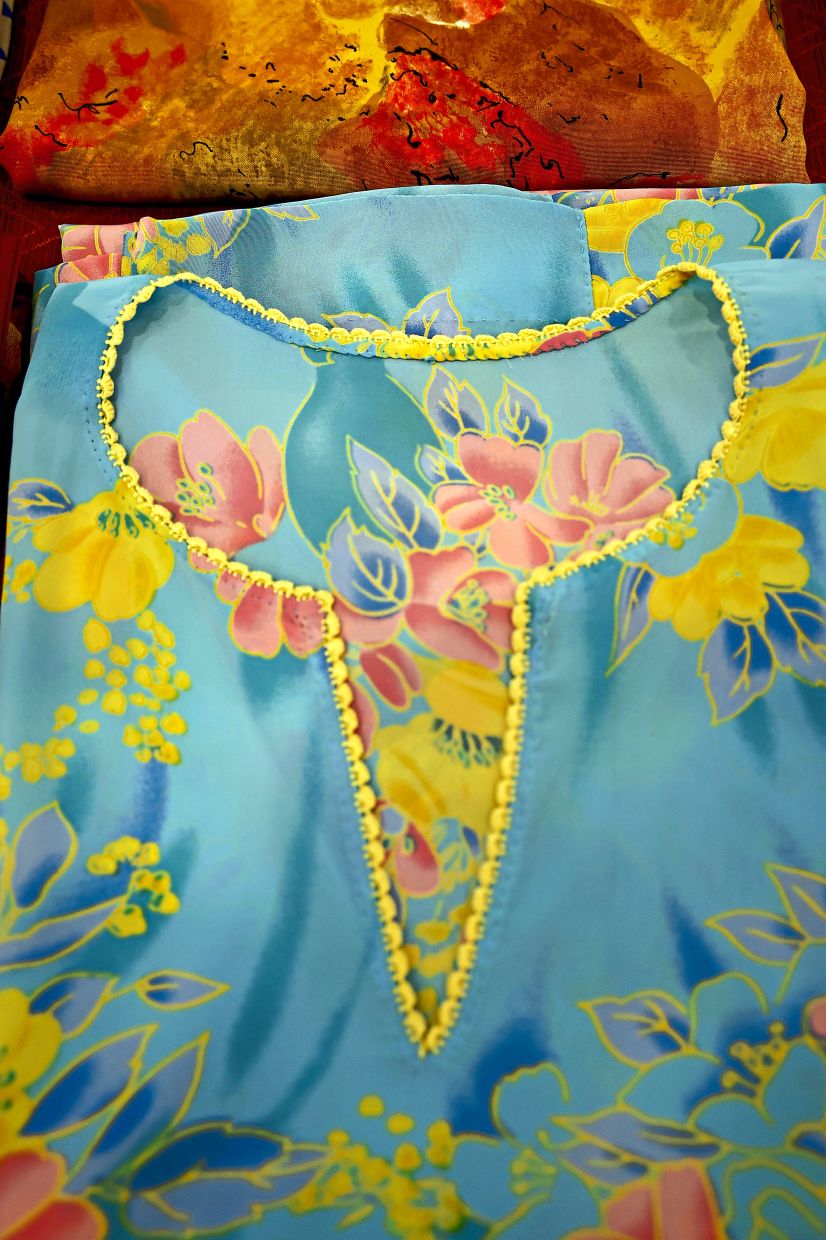
“Nowadays, no one does simo anymore. If you ask the younger generation, many of them have never seen simo,” she said.
Recognising the need to preserve these embroidery traditions, Sharifah began organising cultural programmes to teach simo, sulam cabut and other traditional sewing techniques.
Her latest initiative, Benang Budaya: Warisan di Hujung Jarum (Cultural Threads: Heritage at the Tip of a Needle), featured two days of masterclasses at the Sarawak State Library in Kuching in October, with support from the Sarawak Tourism, Creative Industry and Performing Arts Ministry.
“It’s a programme to revive traditional embroidery and stitching. We have classes for simo, sulam cabut, keringkam (Sarawak Malay gold thread embroidery), Iban baju kuas (Iban gold thread embroidery) and manik buriek (Iban cowrie shell embroidery).
“I’m doing this because these embroidery and sewing techniques are part of Sarawak’s traditions and heritage,” she said.
Sharifah said she knew of only two seamstresses who still practised simo embroidery, both of whom served as trainers at the programme.
By reaching out to the younger generation, she hopes to preserve the traditional techniques before they are lost.
“Ideally, classes like this should be ongoing so that participants can keep learning and improving their skills,” she added.
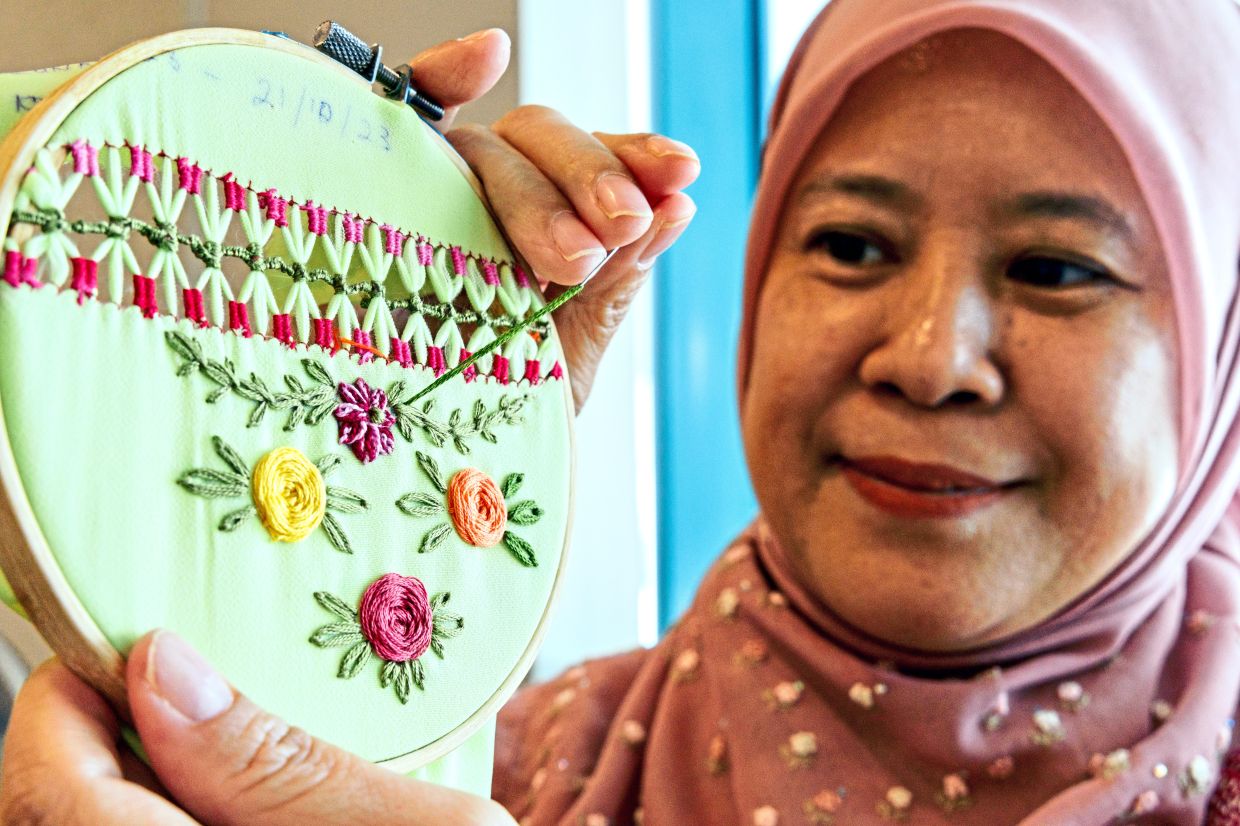
Trainers Dayang Noraizimah Awang Ibrahim and her sister Dayang Rohayati Awang Ibrahim learnt simo and sulam cabut after becoming interested in the embroidery they saw on people’s baju kurung.
“When we were in school in the early 1990s, the trend was to wear baju cabut,” Dayang Noraizimah said, referring to baju kurung decorated with simo and sulam cabut embroidery.
“We started learning embroidery on our own with friends. We studied the baju and figured out how to do the stitches.”
She stopped embroidering after leaving school but recently realised how rare it had become to see the traditional designs.
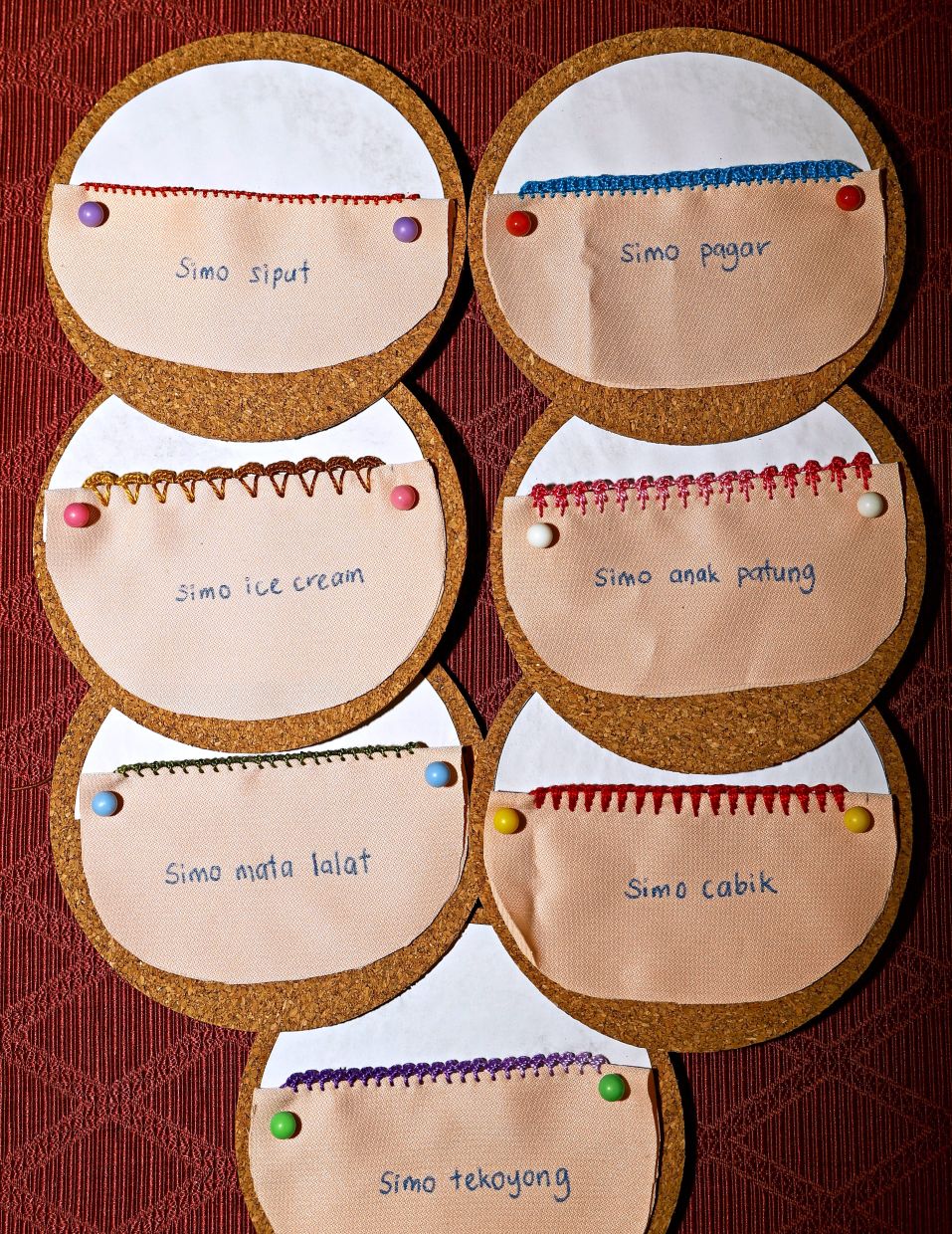
The sisters have since taken up teaching simo and sulam cabut to help revive the crafts and pass on their skills.
“We’re concerned that no one else will continue the tradition after us. It would be a waste if we didn’t share our knowledge with others,” Dayang Noraizimah said.
Dayang Rohayati agreed that the time had come to renew interest in traditional embroidery.
“We’re here to showcase simo because it is gradually dying out. We want young people to learn it and inherit the skills because we’re getting older,” she said.
As participants learn the techniques one careful stitch at a time, there is hope that simo and sulam cabut will continue to adorn garments for generations to come.