
Sabah has no shortage of sporting talent or facilities, but athletes still face higher costs and fewer opportunities to compete.
THEY train for the same competitions, chase the same medals and are judged by the same sporting standards.
Yet for athletes growing up in Sabah, the journey to success often begins on a different playing field.
While their counterparts in Peninsular Malaysia may have competitions closer to home, Sabah athletes frequently have to cross the South China Sea to test themselves against the country’s best, often at considerable expense.
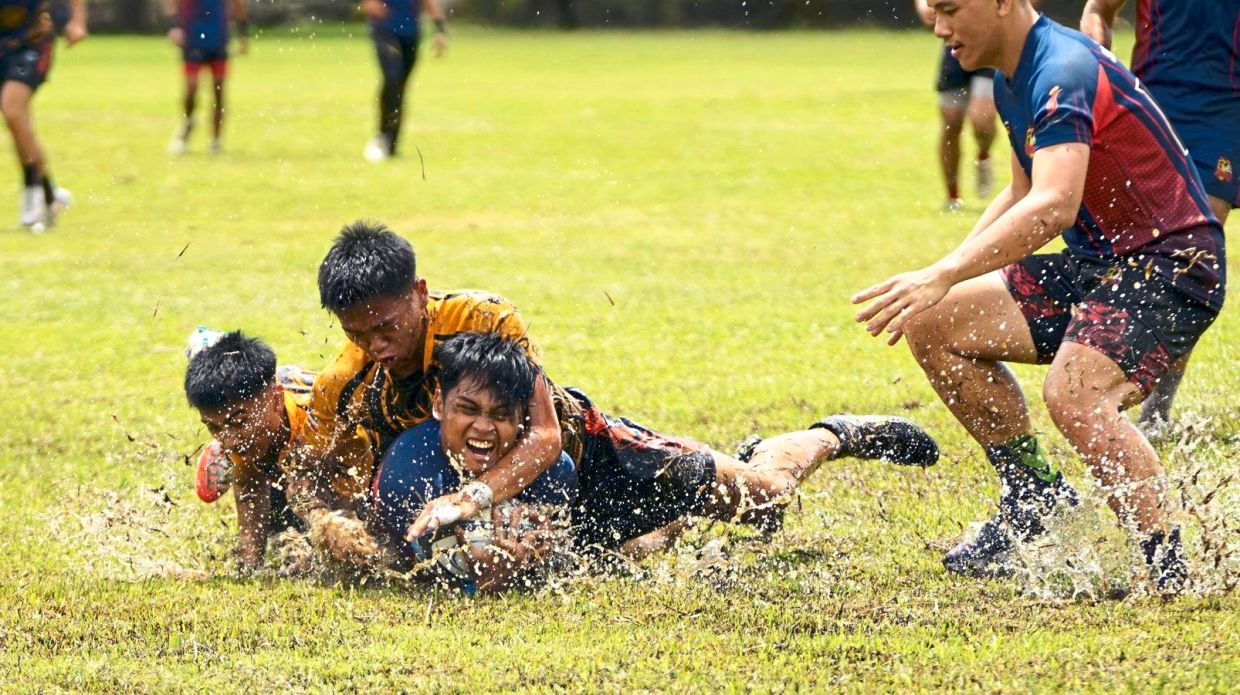
Sabah has never been short of sporting talent. Datuk Gabuh Piging represented North Borneo at the 1956 Melbourne Olympics, while football legends James Wong and Hassan Sani helped Malaysia qualify for the 1980 Moscow Games. Decades later, Sabah-born swimmer Alex Lim Keng Liat won gold at the 1998 Asian Games.
Yet the barriers facing aspiring athletes remain. Parents turn to social media to raise funds or approach elected representatives for help, while schoolteachers write appeal letters to secure money to send pupils to competitions in Peninsular Malaysia.
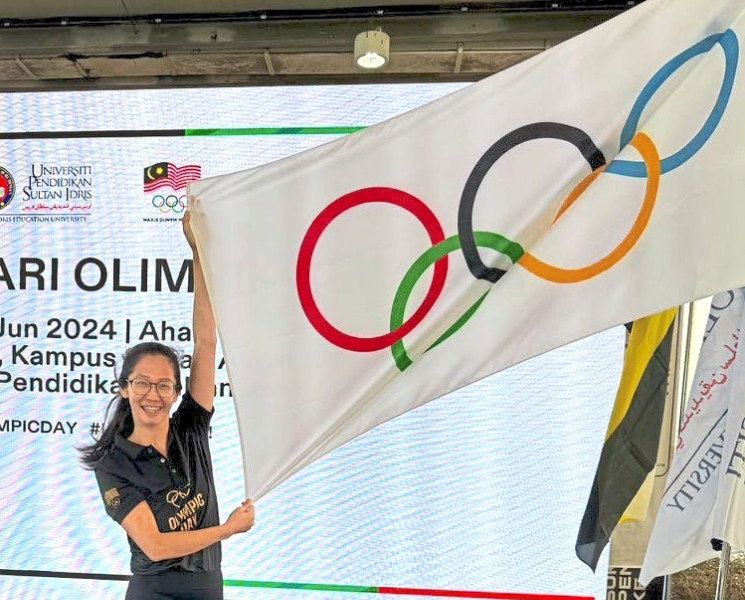
“For Sabahans, it is really difficult compared with West Malaysia because competitions are usually held there, and we need a big budget for flights and hotels,” said former national swimmer and Olympian Eileen Nicole Leung Chii Lin.
The 35-year-old trained entirely in Kota Kinabalu before qualifying for the 2008 Beijing Olympics at 17. Despite limited equipment and facilities, she won two silver medals at the 2007 SEA Games and a bronze in 2009.

“Before I qualified for the Olympics, unfortunately, we did not have adequate facilities. But coaching-wise, I was lucky to have coaches who tried their best for the team,” she said.
Leung acknowledged that Sabah athletes had fewer opportunities, although swimming selection was fair because it was based on timing. Behind every achievement, she added, were sacrifices by athletes, their families and coaches.
Now running a swimming academy in the Klang Valley, she believes the financial demands of competitive sport have only grown.
“Sports nowadays is getting more commercial and expensive. It is not only about training, but also swimmers’ nutrition and swimwear. Everything costs money,” she said.
An uphill battle, even with the facilities
In Sandakan, Sabah Rugby Union president Velayuthan Tan, 72, has spent more than two decades creating opportunities for local players. What frustrates him is that even when Sabah has world-class facilities, national competitions are still largely held elsewhere.
At Eagles Rugby Club, which he also heads, private-sector support and fundraising have helped build an international-standard complex with playing fields, a high-performance training centre and accommodation.
The club has hosted international events, including the Borneo Sevens, attracting teams from overseas.
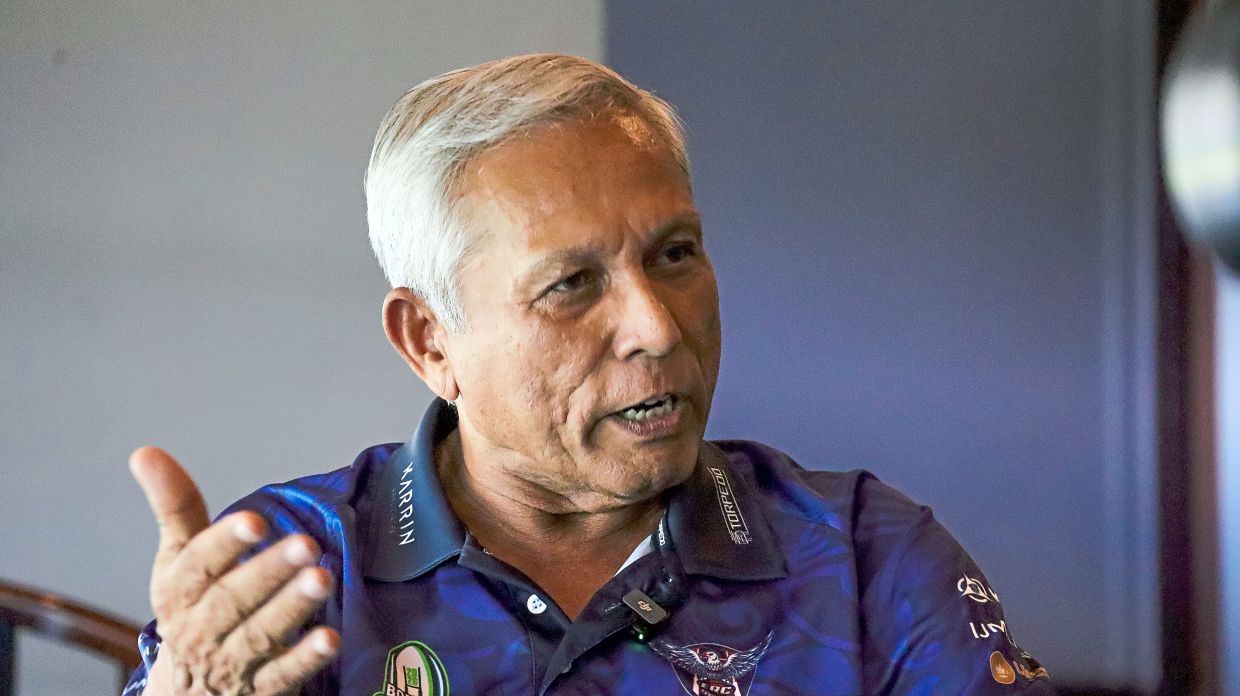
Yet national rugby competitions have been brought to Sabah only twice in about 25 years of his involvement in the sport.
“National bodies must talk about inclusiveness and start decentralising the tournaments.
“Don’t keep it all there. There is Sabah and Sarawak here. Why must the circuit always remain there?” he said.
Convincing national sporting bodies to recognise the state’s challenges has been difficult, he added.
Velayuthan estimates that sending a rugby contingent to Peninsular Malaysia for an Agong’s Cup campaign can cost about RM450,000, covering flights, accommodation, meals and transport.
Many senior players are working adults who must also take leave to train and compete.
The expense is especially frustrating given the facilities already available in Sandakan.
“This is our own initiative to build this clubhouse, create these pitches and all the dormitories. This is a private-sector initiative,” he said.
Poor roads also make it difficult to identify talent in remote communities.
Velayuthan recalled travelling eight or nine hours in four-wheel-drive vehicles to introduce rugby to rural children.
The sport has since grown from a handful of schools to about 150 across Sabah. His ambition is for every district to have its own rugby field, bringing opportunities closer to young people.
“It’s more than just rugby,” he said, pointing to the potential for sport to give rural children pathways into education and employment.
When talent is not enough
For Sandakan boxing coach Erwandy Kalai, 42, the consequences of limited opportunities are all too familiar.
Boxing runs deep in his family. His father, Kalai Mohammad, was a former Sabah boxer, and all five of his sons followed him into the sport. His brother Eddey Kalai is a former national boxer and two-time SEA Games bronze medallist, while Erwandy won the 2018 Elopura Fights International Muay Thai Championship.
Having spent years developing young fighters, Erwandy has watched promising boxers abandon their ambitions because they could no longer afford to compete.
One was Khairul, a former Sabah Sukma boxer whom Erwandy believed had the potential to become a professional fighter.
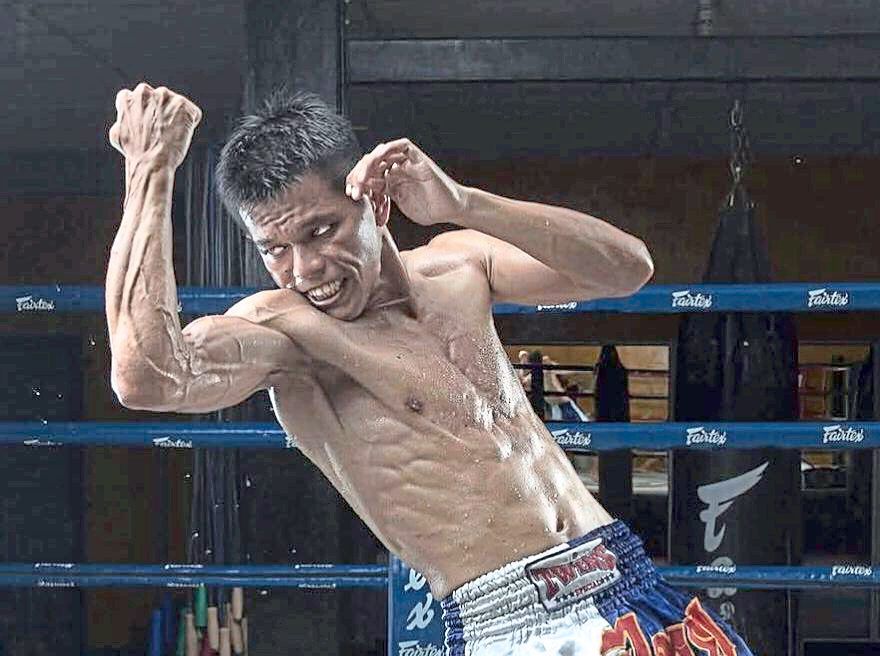
He recognised the young man’s talent early and put him through intensive training, sometimes without charging fees.
But Khairul struggled to balance training with the need to support his family. He also missed several championships in Kuala Lumpur because he could not afford the expenses. Eventually, he gave up boxing and moved to the capital for work.
“When they have to work to survive, their talent is left behind. Many eventually have no choice but to continue working,” Erwandy said.
He estimates that sending a boxer or coach to compete outside Sabah can cost between RM5,000 and RM6,000, depending on the tournament’s duration.
With fewer competitions held locally, fighters need to travel for exposure. But limited budgets mean coaches must decide who gets to go.
“How often a boxer can go out to gain exposure depends on the budget available. Usually, coaches have to assess which boxers have the potential and prioritise sending them for competitions,” he said.
Without more local tournaments and sustained financial support, he fears other promising fighters will face the same choice between pursuing their ambitions and earning a living.
Who bears the cost?
The issue was raised with then Youth and Sports Minister Hannah Yeoh during a visit to Sandakan on Aug 23, 2025.
Yeoh, who has since moved to the Federal Territories portfolio, said national and international competitions could be held at only one location at a time, meaning athletes from other states would inevitably have to travel.
She noted that athletes from Peninsular Malaysia would face similar expenses when competitions were held in Sabah or Sarawak.

At the time, she highlighted sports matching grants and community sports funds introduced since 2023 to encourage local associations to organise competitions. Districts such as Sandakan could apply for funding to host tournaments if suitable facilities were available, but associations had to take the initiative.
Yeoh also cited a partnership with Malaysia Airlines which, she said, offered eligible athletes discounts of up to 30% on airfares.
Acknowledging rising costs, she urged elected representatives to help athletes seeking financial support.
But for Velayuthan, the question remains whether national competitions are being brought to Sabah often enough, given the facilities already in place.
For Leung, athletes need the resources and opportunities to compete on equal terms.
And for Erwandy, the concern is the young fighters who may never discover how far their talent could take them.
Talent can be found anywhere in Malaysia. The chance to prove it, however, should not depend on which side of the South China Sea an athlete calls home.