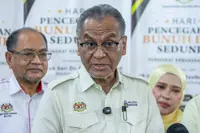
PETALING JAYA: More than 2,000 Health Ministry staff quarters that have been damaged or identified as having safety issues will be repaired in stages under the 13th Malaysia Plan (13MP).
“Of the 21,167 Health Ministry quarters nationwide, 2,725 units identified as damaged or having safety issues will be repaired in stages through a RM100mil allocation,” the ministry said in a Facebook post on Oct 6.
ALSO READ: Housed in ailing conditions
A total of RM34mil has been allocated for the repair, upgrade and maintenance of 760 quarters under phase 1 of the 13MP.
The remaining 1,965 quarters will be repaired in stages based on priorities determined by the respective state Health Departments under phase 2, which will begin next year.
Meanwhile, Malaysian Medical Association president Dr Sivanaesan Letchumanan said the association had received feedback that some staff quarters, particularly in rural and remote areas, are in need of proper maintenance.
“Some staff quarters are located at a considerable distance from their workplaces, resulting in long commutes, high travel expenses and fatigue, which can contribute to burnout,” he said.
Dr Sivanesan said poor road conditions and frequent interruptions to water and electricity supply in remote districts further compound these challenges.
“Healthcare workers already face demanding working conditions.
“They should not have to endure poor living conditions after completing their shifts.
“In urban areas, most healthcare workers prefer to rent a place closer to where they are posted,” he said, adding that upgrading quarters in rural and remote areas should be prioritised.
“Beyond structural repairs and regular maintenance, staff quarters must have reliable water and electricity supply, and good Internet connectivity.
“Internet connectivity is not a luxury.
“Many healthcare workers posted to rural and remote areas are far from their families.
“Staying connected with their loved ones is essential to their well-being and quality of life.
“Decent accommodation is not a privilege. It is a basic necessity for healthcare workers serving communities far from home,” he said.
“If we are serious about attracting and retaining doctors and other healthcare professionals in rural and remote areas, we must provide living conditions that encourage them to stay.
“Safe, decent housing and reliable basic amenities are an investment in healthcare workforce retention and the long-term sustainability of healthcare services, especially for rural communities,” he added.
Retired Health Ministry deputy director Datuk Dr Zainal Ariffin Omar said quarters located in major urban centres or attached to newly-built facilities are generally in functioning condition.
“However, as noted by local medical advocates, accommodations in rural and deep interior pockets such as the East Coast or East Malaysia, suffer significantly from deterioration, old wiring and poor plumbing,” he said.
“There is a consensus that a blanket nationwide upgrade strategy is overdue.
“However, modern policy discussions focus on a structural shift rather than just fixing old walls,” he added.
He said with thousands of clinics and institutional quarters scattered across remote regions of Sabah, Sarawak and rural Peninsular Malaysia, the capital requirements to bring every unit up to liveable standards may easily exceed a single year’s fiscal allocation.