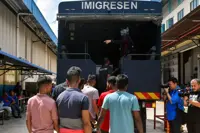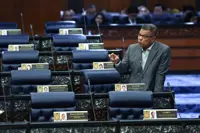
PUTRAJAYA: Malaysia will continue efforts to repatriate refugees, including Myanmar nationals, unless directed otherwise by a court, says Home Minister Datuk Seri Saifuddin Nasution Ismail (pic).
He said the Home and Foreign ministries would continue negotiations with Myanmar authorities on the next phase of repatriation.
This follows the court’s rejection of the Malaysian Bar’s application to stay the repatriation process, he said.
Speaking at the Home Ministry’s monthly assembly yesterday, Saifuddin Nasution also addressed concerns over a proposal to allow Refugee Registration Document (DPP) holders to work temporarily in Malaysia.
He said the DPP was not a pathway to permanent residence or citizenship nor an invitation for more refugees to enter the country.
“The objective remains the same, which is for them to leave Malaysia through the established channels,” he said.
Saifuddin Nasution said the government had set January 2023 as the cut-off date for eligibility under the DPP programme, with those who entered Malaysia after that date excluded.
He said the proposed temporary employment arrangement was intended to manage refugees already in the country while allowing them to gain skills and work experience as they awaited a final resolution of their status.
Saifuddin Nasution said the DPP was a mechanism to manage and regulate refugees, rather than a policy for permanent settlement.
He said biometric registration, security screening and accurate records of refugees’ whereabouts would help the government identify them, and determine the right course of action, including repatriation, resettlement in a third country or deportation in accordance with the law.
The DPP was not a right to citizenship or the right to remain in Malaysia permanently, he said.
He added that refugee management continued to pose economic, social, political and security challenges for the country.
Overcrowding at immigration detention depots, where detainee numbers exceeded capacity, also drove up management costs and heightened health and security risks, he said.
The ministry, he added, would continue enforcement and detention management efforts while seeking long-term solutions.
Saifuddin Nasution said cooperation with countries of origin, reliable data and adherence to the law were essential to resolving Malaysia’s decades-long refugee issue.
“The DPP is not intended to keep refugees in Malaysia. It is a data-driven measure that enables the government to manage their presence in a controlled manner until a final solution is implemented,” he said.
He said the interests of Malaysians, national security and the country’s sovereignty were the government’s priorities.