



PETALING JAYA: KL International Airport has been linked to at least 16 international wildlife-smuggling incidents involving some 54 gibbons, highlighting its role in the trafficking of the endangered primates across South-East Asia.
According to wildlife trade monitoring organisation Traffic South-East Asia, at least 86 gibbons were intercepted in 33 international smuggling incidents linked to the region between January 2024 and August this year.
In its report, “Canopy to Cabin: South-East Asia’s Gibbon Smuggling by Air”, the non-governmental organisation said South-East Asia had been identified as a source, transit route and consolidation point for smuggled gibbons.
The KLIA-linked cases included incidents in which the airport was identified as a departure or transit point.
ALSO READ : Seizures do not reveal full scale of trafficking
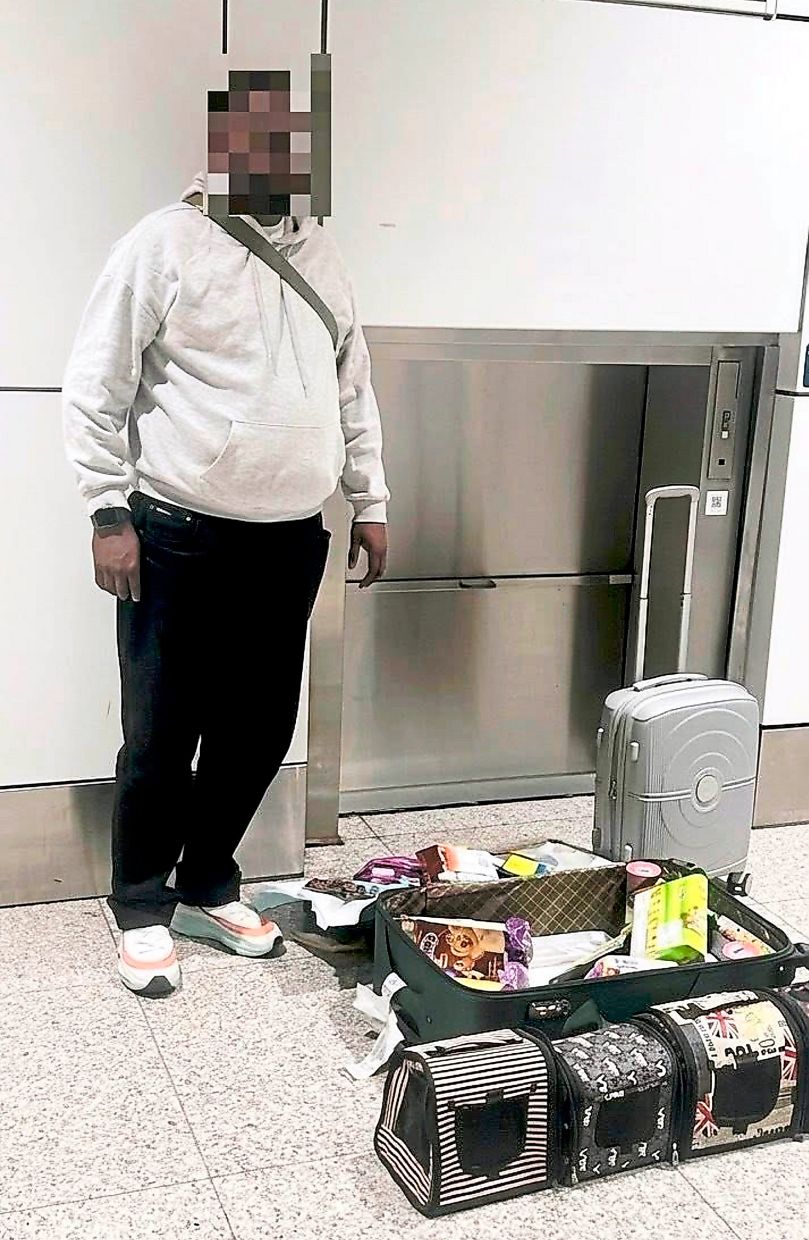
“They were found in small pet-carrier cases or plastic baskets inside suitcases checked in for journeys of several hours,” Traffic South-East Asia said.
The report, released in conjunction with World Gibbon Day on Oct 24, said India accounted for more than half of all gibbons seized.
Most of the seizures occurred in 2024 and 2025, involving animals that had gone undetected before leaving Malaysia and Thailand.
About 64% of the cases involved the smuggling of two to four gibbons per incident, suggesting that the animals were being targeted and consolidated for trafficking.
Siamang and agile gibbons were the species most frequently reported, it said.
“All gibbons of known life stages were infants or juveniles. Their small size and ease of handling make them easier to carry and conceal during air travel,” the report said.
ALSO READ : Working to curb wildlife smuggling
However, Traffic South-East Asia cautioned that the findings should not be interpreted as a complete picture of trafficking trends or volumes.
“Detected cases likely underestimate the true scale of illegal trade and trafficking,” it added.
At least 14 airports and nine airlines were implicated in the recorded incidents. The report also recorded the seizure of at least 265 other individual wild animals in connection with the gibbon-smuggling cases.
Up to 38 people have been arrested, including Indian, Malaysian, Singaporean and Egyptian nationals.
“At least eight people were reported to have acted as couriers, with several allegedly recruited through offers of cash, return air tickets, including business-class tickets, and accommodation in exchange for transporting wildlife,” the report said.
The findings underscored the continued use of the aviation sector to traffic live animals, Traffic South-East Asia added.
“Intelligence-led investigations and collaboration between source, transit and consumer countries are crucial to breaking the chain between hunters, collectors, consolidators, transporters, mules, end consumers and the kingpins running the show behind the scenes.
“Whether the gibbons are being trafficked as pets or destined for captive facilities must be uncovered,” it said.
The report also called on airports and airlines to invest in the skills, capacity and resources needed to improve detection, warning that they could no longer ignore the problem.
“In many cases, these gibbons were confiscated after they had reached their destinations. This should also include risk-based profiling and screening.
“Only through collaboration across agencies and countries can this cross-regional crime be tackled,” Traffic South-East Asia said.


