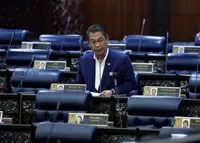
KUALA LUMPUR: Sabah’s September diesel consumption reduced by nearly 10% under the Budi Madani Diesel (Budi Diesel) subsidy mechanism, says Deputy Finance Minister Liew Chin Tong.
He said the reduction indicated that the targeted subsidy mechanism was helping to curb leakage while ensuring Malaysians continued to have access to diesel and RON95 petrol at subsidised prices.
“The objective of the Budi mechanism is to address leakages while ensuring Malaysians have access to diesel and RON95 petrol at lower prices, subject to a set quota.
“We only have data for September in Sabah, but it shows that diesel consumption under the Budi Diesel mechanism fell by almost 10% compared with the previous scheme.
“This indicates that the mechanism is helping to curb leakage. Whether it improves productivity is a separate question,” he said during the question and answer session in the Dewan Rakyat on Thursday (Oct 22).
Liew was responding to a question from Salamiah Mohd Nor (PN-Temerloh), who asked whether the additional 100-litre diesel quota had improved productivity, particularly among micro and small enterprises and rural traders.
Separately, responding to a question from Datuk Siti Aminah Aching (BN-Beaufort) on why diesel subsidies were not granted automatically based on identity cards and driving licences, Liew said the existing approach was intended to prevent leakage.
He said the government had made two improvements to the mechanism, including allowing eligible registered owners to transfer their entitlement to the actual users of their diesel vehicles from Sept 16.
He urged MPs to report specific cases of eligible users being left out so that the government could address any shortcomings.
As of last Monday, a total of 52,133 pick-up truck and jeep owners in Sabah had been approved for the additional quota, while 19,008 applications to transfer Budi Diesel eligibility had been approved nationwide, including 5,555 from Sabah, he said.
“The government will continue to monitor the mechanism based on consumption data, public feedback, state government input and the needs of affected sectors, with further improvements guided by data,” he said.