KOTA KINABALU: Wildlife must be treated with caution and respect during nature tours, says a conservationist.
Sabah Biodiversity Conservation Association (Seratu Aatai) founder and Universiti Malaysia Sabah (UMS) senior lecturer Dr Nurzhafarina Othman said that as more visitors come to Sabah for a nature and wildlife experience, it was important to respect animals.
As an example, she said tourists on a boat ride in the Lower Kinabatangan last year noticed a herd of elephants crossing the river.
"Sometimes, our excitement to see wildlife can have an impact we never intended.
"A herd was crossing the river when boats gathered nearby to watch the elephants swim," she said in a statement on Monday (Sept 7).
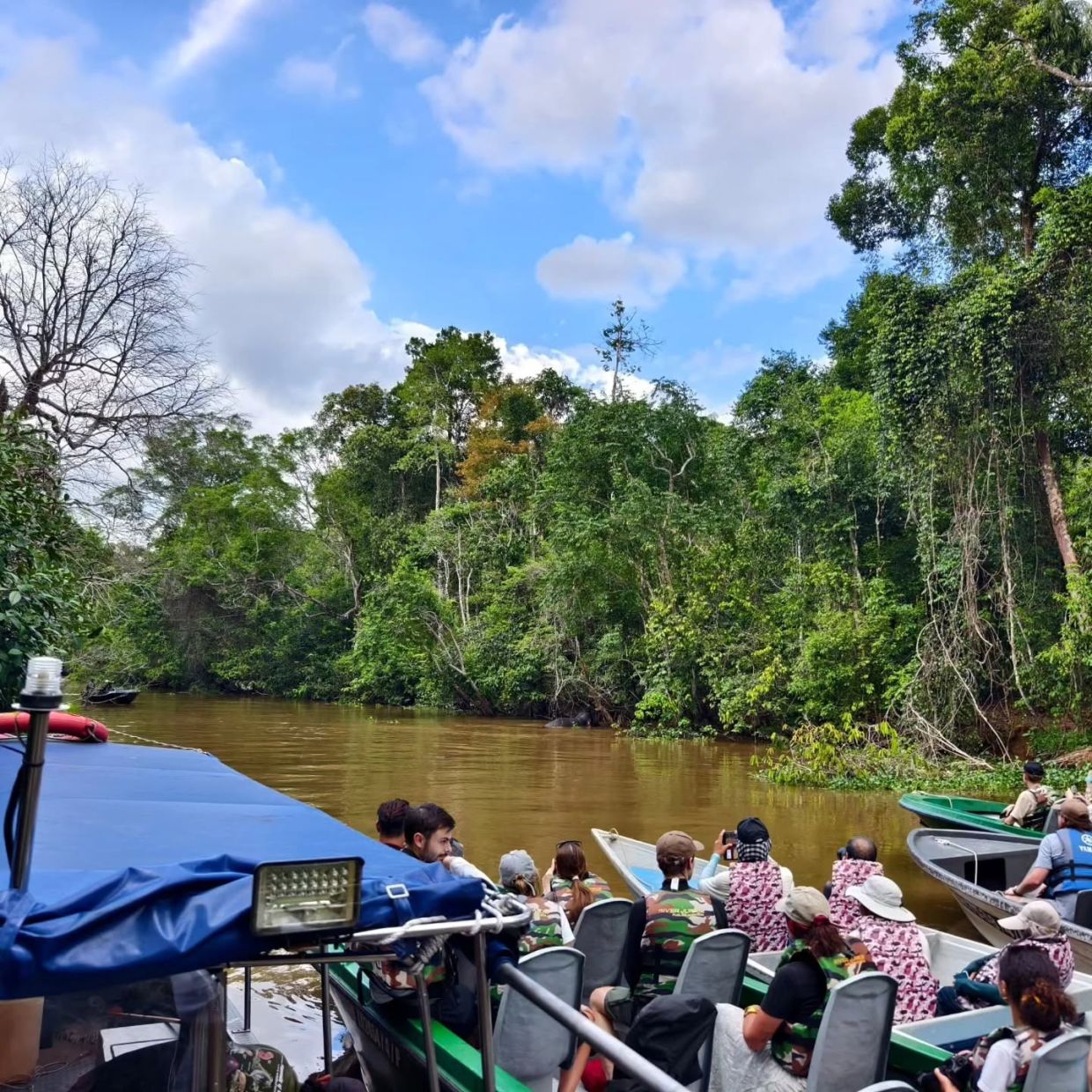
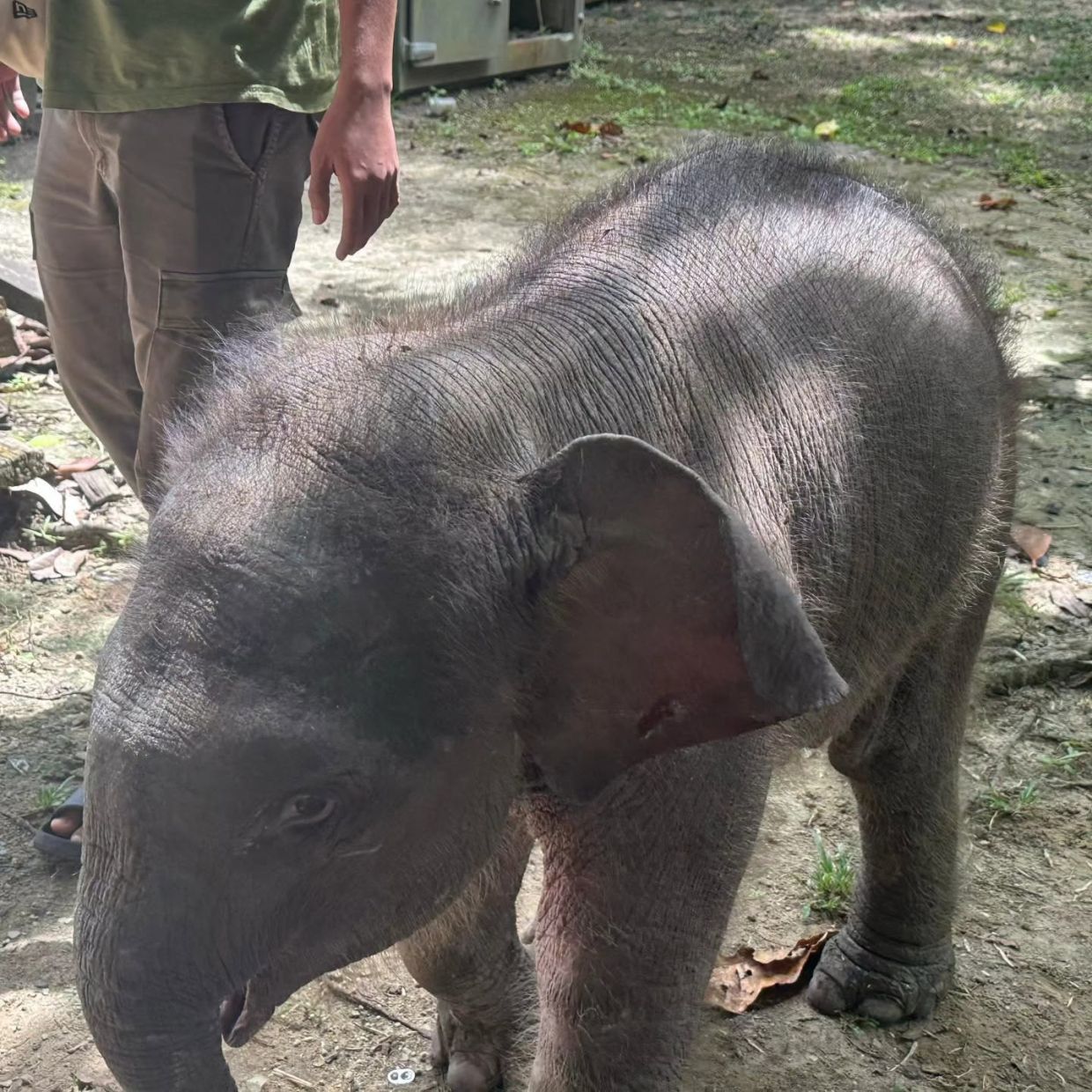
"As they hurried across, a little calf was left behind. We received a call and went to assess the situation and helped to bring the anxious and confused calf across.
"Thankfully, the calf was safely reunited with its herd."
She said while this story had a beautiful ending, it also served as a reminder that wildlife needs space to move, communicate and care for one another.
"Keep your distance. Slow down. Let them pass," Dr Nurzhafarina advised, saying that the best wildlife encounter is one where the animals can remain wild.
She said the Lower Kinabatangan offers one of the best opportunities to see Bornean elephants in their natural habitat, swimming, playing, feeding, moving along the riverbank, or simply resting and doing absolutely nothing.
"And that is exactly what we hope you’ll let them do: be elephants. When you encounter elephants along the Kinabatangan River, please keep your distance, keep your boat at a respectful distance, and simply enjoy watching them from afar," she stressed.
Prof Nurzhafarina said these elephants are already being pushed from every possible direction: by roads, development and the loss of their natural habitat.
As such, the very least humans can do now is to give them the space they need along the river, she added.
"Incidents affecting wildlife have happened and will happen again, because there are now more boats and tourists. Please, let us all respect the wild," she said.