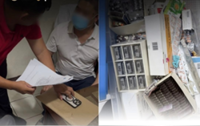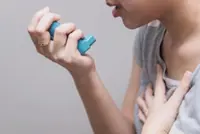
PETALING JAYA: From eye spas to lung detox treatments, unregistered hydrogen inhalers (HI) are flooding the market, with some making bold claims of easing chronic diseases.
While most sellers caution that these inhalers are not a replacement for medical treatment, some have made unverified claims that they can help patients with cataracts, diabetes, thyroid disorders, asthma and even cancer.
These machines allow users to inhale hydrogen gas, which is purported to cleanse the lungs, while some also come with special eye goggles claimed to help alleviate eye-related ailments.
They are also said to produce hydrogen-rich drinking water.
Checks on online platforms and with sellers showed that the machines are being sold for between RM7,000 and RM8,000, with some offering instalment plans.
Some sellers have also resorted to organising roadshows where participants can try the machines for a small fee, ranging from RM29 to RM59 per session.
The Star approached a seller who claimed that daily use of the machine could “refresh” the body.
“Most of my clients are seniors, and I offer instalments for those who cannot fork out RM7,000 in one go to help ease their or their children’s financial burdens,” he said.
When asked about its benefits, the seller claimed that the machine could provide almost instant results.
“I have had clients, including cancer and kidney patients, who felt instantly fresh and well after a session,” he said, adding that those with vision problems felt better after an hour.
Although claiming that his product was registered with the authorities, a search of the Medical Device Authority (MDA) website yielded no results.
Public health expert Prof Dr Sharifa Ezat Wan Puteh cautioned the public against using such unregistered products.
“Hydrogen inhalers are new wellness ‘technologies’ that claim they can be used for hydrogen inhalation while also producing hydrogen water.
“Claims include their use as antioxidant therapy to supposedly improve the immune system, energy and stamina while promoting overall health and wellness,” she said.
“These machines are new and cost a lot, but their effects are not known explicitly,” she said.
She noted that no long-term studies had been conducted on their safety or effects on users.
“It is still questionable. Since the technology is new and untested on a population level, its benefits are uncertain,” she added.
Dr Sharifa Ezat said Japan had some experience with hydrogen inhalation therapy, but it remained largely at the research stage and was mainly used for wellness purposes rather than as an established medical treatment.
Claims of miraculous cures made by sellers to promote their products may not necessarily be true, she said.
“Consumers have to be careful, as there might not be any benefit at all,” she added.
Asked about the effects of inhaling hydrogen, she said that if the generator was not of good quality, it could cause electrolysis and potentially produce hazardous by-products such as chlorine gas.
Dr Sharifa Ezat said inhaling the by-products could cause severe irritation to the bronchial tubes and mucous membranes, resulting in chest pain, coughing, throat irritation and airway inflammation.
The Health Ministry recently warned the public that claims about the health benefits of hydrogen inhalers remain unproven.
The ministry noted that hydrogen inhaler devices have yet to be approved by the MDA and that selling, distributing or advertising unregistered devices is an offence.