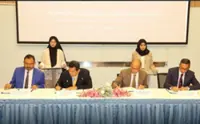
KUALA LUMPUR: Malaysia and Pakistan are seeking to strengthen cooperation in combating drug trafficking and managing digital identities, particularly through intelligence sharing, coordinated operations and the exchange of expertise, says Home Minister Datuk Seri Saifuddin Nasution Ismail.
He said the increasingly complex drug threat, including the rise of synthetic drugs and the involvement of transnational organised crime networks, requires closer international cooperation.
During his official working visit to Pakistan, Saifuddin Nasution visited the headquarters of Pakistan’s Anti-Narcotics Force (A ) in Islamabad, where he was briefed on drug threats, regional trafficking routes and enforcement operations.
He said Pakistan’s geographical position along major drug flows from Afghanistan made cooperation between the two countries particularly important, as trafficking routes also extended into South-East Asia.
“We cannot handle this threat only within our national borders or the Asean region,” he said in a Facebook post yesterday.
Malaysia and Pakistan already have a strong foundation of operational cooperation, with more than 28 cases jointly coordinated between 2012 and 2018, he said.
Saifuddin Nasution added that both sides also discussed a proposed anti-narcotics memorandum of understanding to give their existing collaboration a more structured framework.
“Information must be shared, intelligence must be translated into action and international networks must be used to break the supply chain before drugs reach our country,” he said.
Saifuddin Nasution and the Malaysian delegation also visited the headquarters of Pakistan’s National Database and Registration Authority in Islamabad to learn about the country’s identity management and civil registration system.
The delegation was briefed on Pakistan’s national identity and biometric databases and the use of technology in government service delivery.
Saifuddin Nasution said both countries exchanged views and experiences on identity management systems, including physical and digital identity cards, biometric verification and the delivery of public services through digital platforms.
He said the visit opened opportunities for closer cooperation and expertise sharing in digital identity solutions, e-government, crisis management and cybersecurity.
He added that the experience would be useful as the Home Ministry continued exploring technology that could strengthen national security, improve system efficiency and facilitate the delivery of services to the public.
He said the efforts were in line with the government’s push to ensure that the public sector’s digital transformation went beyond technological change and resulted in systems that were more efficient, secure and beneficial to the people.
Saifuddin Nasution’s official working visit also included a courtesy call on Pakistan’s Deputy Prime Minister and Foreign Minister Mohammad Ishaq Dar.